Dangiwa Harps On Capacity Building, Institutional Collaboration To Strengthening Surveying Practice.
* says strengthening synergy with the Nigerian Institution of Surveyors is strategic, necessary.
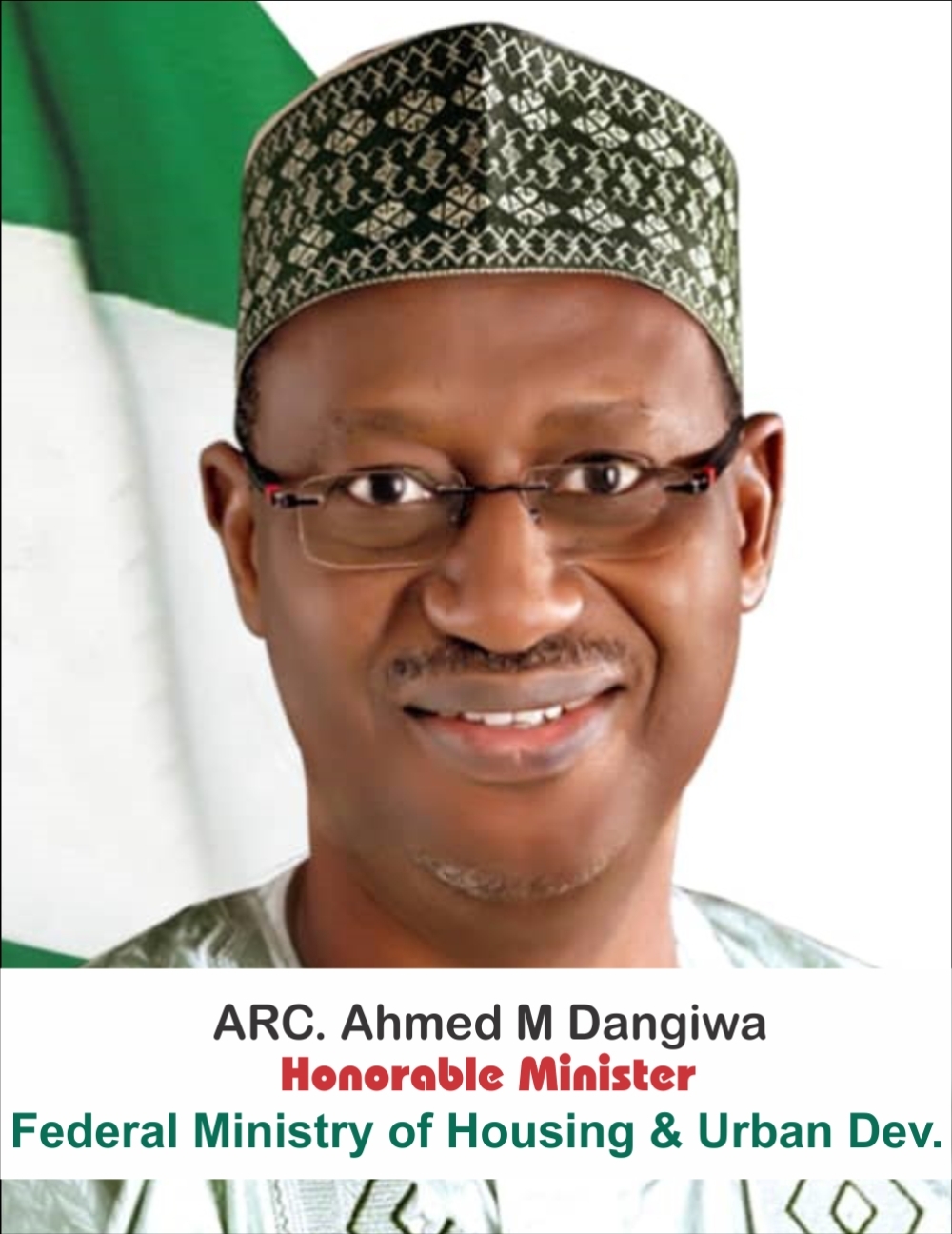
Minister of Housing and Urban Development, Arc. Ahmed Musa Dangiwa, has stated that a sustained capacity building and strong institutional collaboration is a strategic pathway to strengthening surveying practice, land administration, and sustainable urban development in Nigeria.
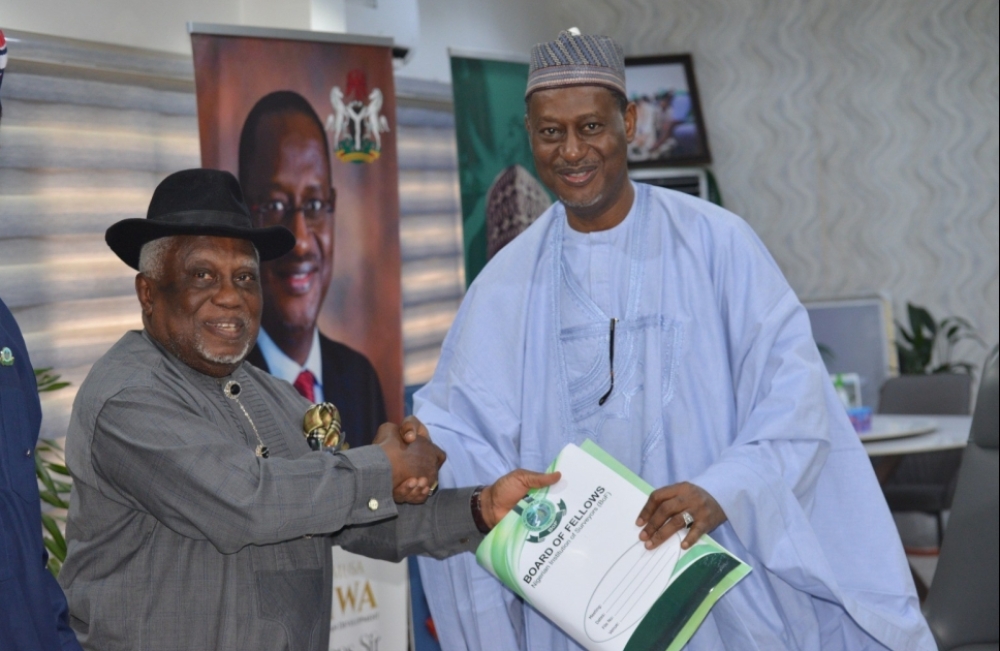
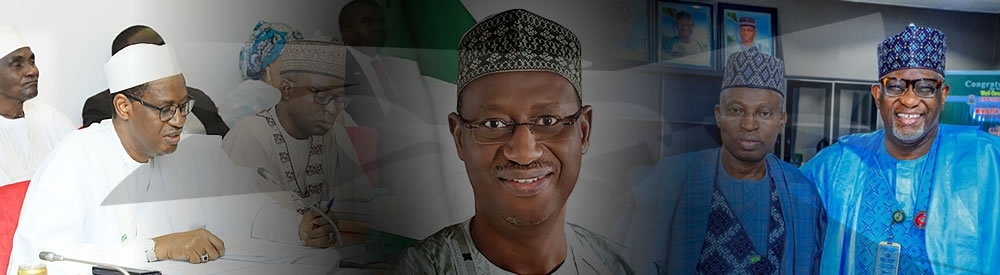
The Minister made this declaration when he received the chairman and members of the Board of Fellows of the Nigerian Institution of Surveyors who paid him a courtesy visit in his office, Thursday, February 26th, 2026
Arc. Dangiwa said that the Ministry is fully prepared to partner with the Nigerian Institution of Surveyors to develop and implement structured training and professional development programmes aimed at equipping surveyors—particularly young professionals.
According to the Minister, capacity building remains the most sustainable mechanism for institutional strengthening and professional excellence.
“Capacity building is the only way to properly develop the young professionals coming on board and raise our standards and best practices. It is critical to promoting professionalism in surveying and mapping and ensuring sustainable development across the country,” he stated.
Dangiwa disclosed that the Ministry is currently experiencing a significant human resource gap due to large-scale retirements, revealing that over one thousand staff members have retired within the last two years.
This development, he explained, makes collaboration with professional institutions even more imperative, particularly in the areas of training, mentorship, and knowledge transfer to ensure continuity, institutional memory, and improved service delivery.
He emphasized that the Ministry houses a substantial number of surveyors in the country and provides government oversight to relevant professional bodies. As such, strengthening synergy with the Nigerian Institution of Surveyors is both strategic and necessary.
Arc. Dangiwa further noted that the core mandates of the Ministry - housing development, land administration, and urban development—are inherently linked to surveying and geospatial services.
He stressed that effective land administration cannot be achieved without close collaboration with surveyors and other land professionals within the Ministry. He also highlighted that a branch of the Office of the Surveyor-General is domiciled within the Ministry under the Cadastral Department, further reinforcing the institutional linkage between both bodies.
Accordingly, he described the existing relationship between the Ministry and the Nigerian Institution of Surveyors as strong and evolving, adding that the collaboration must be deepened to support ongoing reforms and infrastructure expansion initiatives in the housing sector.
Earlier in his remarks, the Chairman of the Board of Fellows of the Nigerian Institution of Surveyors, Surv. Alabo Charlesye David Charles, stated that the visit was aimed at strengthening institutional cooperation and exploring strategic areas of mutual interest.
He listed the areas of collaboration to include;
* capacity building: development of tailored training and professional development programmes aligned with the Ministry’s operational needs.
* Institutional collaboration by strengthening structured engagement between the NIS and the Ministry to enhance policy implementation and professional standards.
* geoinformatics and technical support: Leveraging surveying and geospatial technologies to advance land administration, housing development, and urban planning initiatives.
* enhancing national geospatial data frameworks to support housing and urban development projects across the country, and
* promoting and enforcing high standards in surveying and mapping to ensure accuracy, transparency, and sustainable development outcomes.
Surv. Charles reaffirmed the Institution’s readiness to work closely with the Ministry in advancing professional excellence and supporting national development goals.
A major highlight of the visit was the conferment of the title of Honorary Fellow of the Nigerian Institution of Surveyors on the Honourable Minister in recognition of his contributions to housing and urban development and his support for professional advancement in the surveying sector.
The investiture ceremony is scheduled to hold on April 30, 2026. Arc. Dangiwa graciously accepted the honour and expressed appreciation to the Institution for the recognition.
The meeting underscored the shared commitment of both institutions to advancing professionalism, strengthening geospatial governance frameworks, and supporting Nigeria’s housing and urban development agenda through strategic collaboration, innovation, and human capital development.
The Federal Ministry of Housing and Urban Development remains committed to fostering partnerships that enhance technical capacity, promote best practices, and drive sustainable growth in the housing and land administration sectors.
Dangiwa Harps On Capacity Building, Institutional Collaboration To Strengthening Surveying Practice. * says strengthening synergy with the Nigerian Institution of Surveyors is strategic, necessary. Minister of Housing and Urban Development, Arc. Ahmed Musa Dangiwa, has stated that a sustained capacity building and strong institutional collaboration is a strategic pathway to strengthening surveying practice, land administration, and sustainable urban development in Nigeria. The Minister made this declaration when he received the chairman and members of the Board of Fellows of the Nigerian Institution of Surveyors who paid him a courtesy visit in his office, Thursday, February 26th, 2026 Arc. Dangiwa said that the Ministry is fully prepared to partner with the Nigerian Institution of Surveyors to develop and implement structured training and professional development programmes aimed at equipping surveyors—particularly young professionals. According to the Minister, capacity building remains the most sustainable mechanism for institutional strengthening and professional excellence. “Capacity building is the only way to properly develop the young professionals coming on board and raise our standards and best practices. It is critical to promoting professionalism in surveying and mapping and ensuring sustainable development across the country,” he stated. Dangiwa disclosed that the Ministry is currently experiencing a significant human resource gap due to large-scale retirements, revealing that over one thousand staff members have retired within the last two years. This development, he explained, makes collaboration with professional institutions even more imperative, particularly in the areas of training, mentorship, and knowledge transfer to ensure continuity, institutional memory, and improved service delivery. He emphasized that the Ministry houses a substantial number of surveyors in the country and provides government oversight to relevant professional bodies. As such, strengthening synergy with the Nigerian Institution of Surveyors is both strategic and necessary. Arc. Dangiwa further noted that the core mandates of the Ministry - housing development, land administration, and urban development—are inherently linked to surveying and geospatial services. He stressed that effective land administration cannot be achieved without close collaboration with surveyors and other land professionals within the Ministry. He also highlighted that a branch of the Office of the Surveyor-General is domiciled within the Ministry under the Cadastral Department, further reinforcing the institutional linkage between both bodies. Accordingly, he described the existing relationship between the Ministry and the Nigerian Institution of Surveyors as strong and evolving, adding that the collaboration must be deepened to support ongoing reforms and infrastructure expansion initiatives in the housing sector. Earlier in his remarks, the Chairman of the Board of Fellows of the Nigerian Institution of Surveyors, Surv. Alabo Charlesye David Charles, stated that the visit was aimed at strengthening institutional cooperation and exploring strategic areas of mutual interest. He listed the areas of collaboration to include; * capacity building: development of tailored training and professional development programmes aligned with the Ministry’s operational needs. * Institutional collaboration by strengthening structured engagement between the NIS and the Ministry to enhance policy implementation and professional standards. * geoinformatics and technical support: Leveraging surveying and geospatial technologies to advance land administration, housing development, and urban planning initiatives. * enhancing national geospatial data frameworks to support housing and urban development projects across the country, and * promoting and enforcing high standards in surveying and mapping to ensure accuracy, transparency, and sustainable development outcomes. Surv. Charles reaffirmed the Institution’s readiness to work closely with the Ministry in advancing professional excellence and supporting national development goals. A major highlight of the visit was the conferment of the title of Honorary Fellow of the Nigerian Institution of Surveyors on the Honourable Minister in recognition of his contributions to housing and urban development and his support for professional advancement in the surveying sector. The investiture ceremony is scheduled to hold on April 30, 2026. Arc. Dangiwa graciously accepted the honour and expressed appreciation to the Institution for the recognition. The meeting underscored the shared commitment of both institutions to advancing professionalism, strengthening geospatial governance frameworks, and supporting Nigeria’s housing and urban development agenda through strategic collaboration, innovation, and human capital development. The Federal Ministry of Housing and Urban Development remains committed to fostering partnerships that enhance technical capacity, promote best practices, and drive sustainable growth in the housing and land administration sectors.
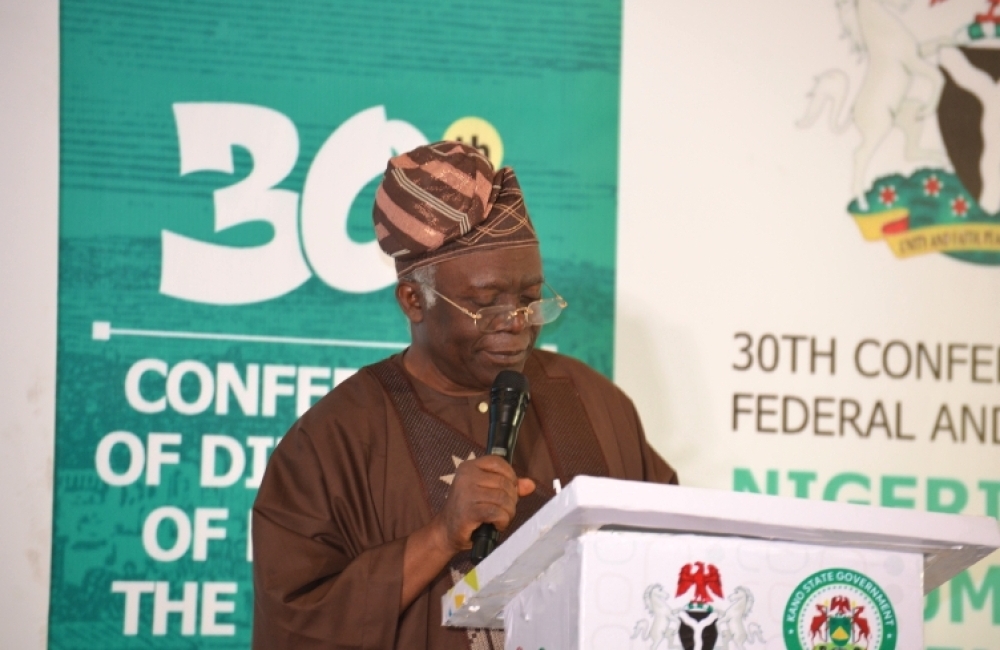
Falana Applauds FG's National Land Titling, Registration and Documentation Programme Kano, Nigeria: Human rights advocate and Senior Advocate of Nigeria (SAN), Mr. Femi Falana, has commended the Federal Government for the implementation of the Nigeria Land Titling, Registration and Documentation Programme (a.k.a Land4Growth), describing it as a bold, progressive and transformative intervention that will unlock economic growth, enforce property rights and protect citizens from exploitation. Falana delivered his remarks today on Day 2 of the ongoing 30th Conference of Directors of Lands, holding in Kano, where he presented a detailed position paper on the reform of Nigeria’s land administration system. He applauded the Federal Ministry of Housing and Urban Development for championing a programme that targets increasing Nigeria’s formal land registration from less than 10% to 50% within a decade, in partnership with the World Bank. According to him, a properly executed nationwide land titling programme will mark the beginning of a new wealth creation era for millions of Nigerians and put an end to decades of informal transactions, land disputes, corruption and the harassment of citizens by illicit land operators and omo onile cartels. He stressed that over 90% of Nigerian land assets currently exist as ‘dead capital’, a condition that undermines mortgage access, hinders housing development, and limits economic participation. Falana, however, urged the government to ensure that the Land4Growth remains inclusive, accessible and free of financial burden for citizens, especially vulnerable households in rural communities. Accordingly, he called for a financing structure that places the responsibility of titling costs squarely on the government while ensuring legal enforcement and transparency at every stage of implementation. He further noted that the success of the programme must go beyond digitization and urban pilots, warning that without parallel reforms in enforcement of the Land Use Act and protection of customary rights, digitization could simply “modernize the old inequities.” He also advocated a stronger linkage between land titling and financing mechanisms under existing laws like the National Housing Fund and Federal Mortgage Bank frameworks, so that formal titles translate directly into real access to mortgages and mass housing delivery. The Senior Advocate, concluded with a strong call to action to stakeholders across government institutions, financial institutions, developers, civil society and youth to treat the Land4Growth as a national development imperative, not just a technical exercise. “ No country can develop without proper land documentation,” he declared, urging stakeholders to seize the moment to restructure Nigeria’s land sector into a transparent, equitable and economically empowering system for all citizens. ...
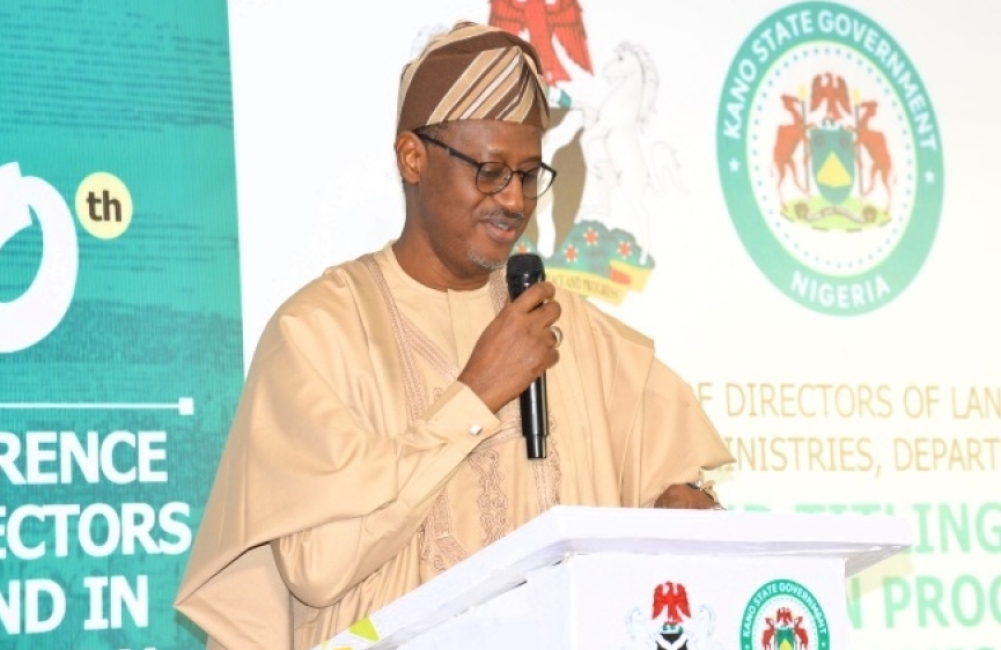
Housing Minister Charges States To Allocate One-to-three Percent Annual Budgets For Land Titling Programme * Says Land4Growth is Nigeria’s Surest Path to a $1 Trillion Economy The Honourable Minister of Housing and Urban Development, Arc. Ahmed Musa Dangiwa has issued a bold call for State Governments to dedicate between 1 and 3 percent of their annual budgets to land administration and systematic land titling, declaring that credible land governance is the country’s strongest lever for building a trillion-dollar economy. Dangiwa made the call in Kano, in a keynote address at the opening of the 30th Conference of Directors of Lands in the Federal and States Ministries, Departments and Agencies, Tuesday, 25th November, 2025. " I strongly recommend and charge that Nigerian State Governments ring-fence between 1 and 3 percent of their annual budgets for land administration and systematic titling during the reform and scaling phase" he stated The theme for the 30th Conference is Nigeria Land Titling, Registration and Documentation Programme (NLTRDP): Implementation Mission Dangiwa explained that International evidence shows very clearly that Ministries responsible for land administration around the world operate on about one percent of the total public budget. He said " based on these global benchmarks and our own national realities ... a sustainable allocation of 0.5 to 1 percent will be sufficient to maintain digital registries, continue systematic documentation, and keep the cadastre up to date" The minister further stated that, half of the allocation must go directly to real service delivery- systematic titling, digitisation, modern registries, surveys and dispute-resolution-not vehicles, furniture or overheads. " If we spend on impact, not overheads, every State will unlock revenue, citizens will gain secure property rights, and land will become a true economic asset, not dead capital. And let me say this confidently: the success of the Land4Growth Programme is Nigeria’s surest bet to achieving the One Trillion Dollar Economy" he remarked Accordingly, Dangiwa stated that, land becomes bankable, when citizens can use it for credit, when investors trust the registry, and when States earn sustainable revenue from property markets, saying that ' we will unlock growth on a scale that can transform our national economy. That is how land becomes wealth, and how this sector can power Nigeria’s economic future.” he stated. The Minister further disclosed that the last World Bank Doing Business ranking on Registering Property, Nigeria performed poorly due to excessive procedures, long timelines, and high costs, this he said, creates uncertainty for investors and unnecessary hardship for citizens He noted the identical challenges across the states as; complex manual workflows, fragmented and outdated paper records, corruption risks, tenure insecurity for vulnerable groups, and very low revenue collection despite huge potential. He also told the participants that, under President Bola Ahmed Tinubu’s Renewed Hope Agenda, land administration will be treated not as routine bureaucracy but as a strategic economic reform, adding that government had begun to translate the commitment into concrete action. " I have directed the Director Lands to make sure every Director has a copy of the Concept Note and Framework. embrace it and properly guide your State Governments to adopt it and work with us at the Federal level to implement it" Dangiwa said " We are not yet where we want to be, but we are certainly not where we were last year. We are moving - and we are moving with purpose.We have within this period introduced the Nigeria Land Titling, Registration and Documentation Programme (Land4Growth) to unlock an estimated $300 billion in dead capital, and are finalizing a partnership with the World Bank and state governments to register, document, and title land nationwide" he concluded Earlier in his opening remark, the Permanent Secretary of Federal Ministry of Housing and Urban Development, Dr. Shaiub Belgore stated that the annual Conference of Directors of Lands has served as a key platform for professional exchange over the years He said " As we mark the 30th edition, it is important that this gathering does not remain a yearly talk shop. The true value of this conference will not be measured in speeches, communiqués or photographs, but in how the knowledge gained here is translated into practical reforms in your States" ...
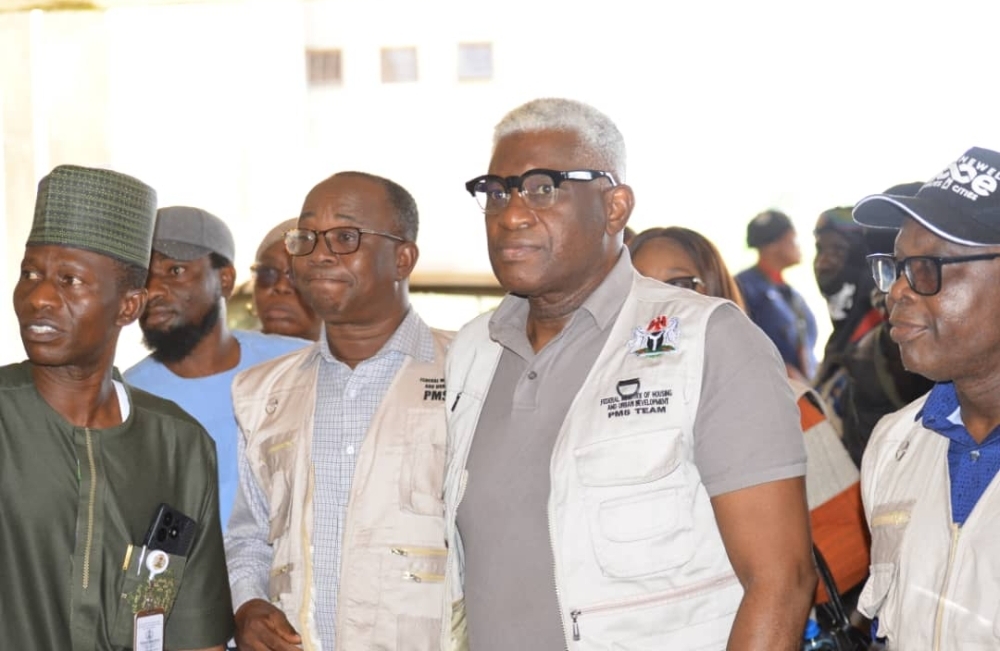
FG Hastens to Provide Better Office Accomodation for Federal Civil Servants in States * We are enthusiastic, optimistic in providing affordable housing for Nigerians - Belgore The Permanent Secretary, Federal Ministry of Housing and Urban Development, Dr Shuaib Belgore has stated that the federal government would hasten work to deliver the federal Secretariat, Osogbo, Osun State to enable civil servants have better office accommodations to discharge their duties efficiently. He spoke in Osogbo, Osun State when he led an inspection team from his ministry on a tour of federal government's projects ongoing in the state. Dr Belgore noted that, work at the Osogbo Federal Secretariat, has reached an advanced stage of completion, saying that contracts for federal secretariats awarded same time with that of Osun were; Anambra, Bayelsa, Gombe, Nassarawa, and Zamfara states. Expressing satisfaction with the quality and progress of work at Oshogbo, he assured the contractor that his request for variation would be secured to enable the release of funds needed for its completion. Earlier, Engr Olakulehin Kabir, the project manager, Golden Construction Company Ltd, the contractors handling the work, told the team that the project has achieved 80 percent completion, and request the ministry to speed up approval for variation and release of funds to enable them deliver. On the other hand, the Permanent Secretary has also observed appreaciable level of work in the ongoing work contruction of Osogbo Renewed Hope Estate, but charged the contractors to sit up and scale up work, pomising facilitating their payments after meeting their valuation requirements " Government is enthusiastic and optimistic with this project, and will not hesitate to review and take decision, including termination of contract for non performing contractiors " he emphasised The Permanent Secretary finally visited the ministry's field office in Osogbo, interacted with the staff, and commended them for their hardwork in facilitating delivery of government's projects in the State He acknowledged their concern for inadequate professional staff which he explained as a general concern even at the ministry headqarters. Dr Belgore assured them that the ministry has made its operations easy interms of correspondences with the headquarters by going digital, saying that computers will be provided for field offices to ease their work ...

Shelter Afrique Holds 42nd AGM In Abuja – Nigeria
The hosting of the 42nd Annual General Meeting (AGM) and Symposium Of Shelter Afrique (SHAF) is now confirmed to be holding in Abuja Nigeria from the 7th -12th of May ,2023.
Shelter Afrique (SHAF) is a company for Habitat and Housing, established in 1982 by African Governments, the African Development Bank (AFDB) and African Reinsurance Corporation (African–Re). This company is dedicated to providing funding solutions for affordable housing projects across Africa
Nigeria is a founding member of this company and holds position as the second largest shareholder after Kenya with investments totaling (USD) $30,724,961:00 and a shareholding of 15.80 %
The Annual General Meeting (AGM) of Shelter Afrique Constitutes the main policy organ of the company and it provides a forum for shareholders to collectively review and deliberate on the performance of the company once every year.
On the other hand, the Annual Symposium held during the AGM, is one of the key activities of Shelter Afrique, which is an avenue for collaboration and synthesizing emerging lessons, knowledge, best practices and innovations. Over the year the symposium has served to document and disseminate information to African Countries, stakeholders and key partners on the provision of affordable housing in Africa.
Nigeria, as at present is the first Vice –President of the 41st AGM Bureau recently held in Victoria Falls, Zimbabwe in July of 2022; making her to be in the pole position to become the Chairman of the 42nd AGM Bureau In this wise, the country is going to host the 42nd AGM Symposium in Abuja by May 2023.
Some of the key stakeholders expected at the meeting are:
a) Real Estate Developers Association of Nigeria (REDAN)
b) Mortgage Bankers Association of Nigeria (MBAN)
c) Family Homes Fund (FHF)
d) Nigeria Mortgage Reinsurance Company (NMRC)
e) Federal Mortgage Bank of Nigeria (FMBN)
f) Federal Housing Authority (FHA)
g) Central Bank of Nigeria (CBN)
h) Association of Professional Bodies of Nigeria (APBN)
i) Nigerian Institute of Town Planners (NITP)
j) Federal and State Ministries and Agencies in charge of Housing, Urban Development, Finance and Economic Matters.
Other activities during this AGM are:
Ministerial Roundtable session with Ministers of Planning Economy and Business Development Investor Relations Session as side event.
It promises to be an impactful session.
FMW&H Rehabilitates and Engages Facility Managers For 24 FG Secretariats Across the Country – Official
The Director, Department of Federal Public Assets Maintenance (FPAM) in the Federal Ministry of Works and Housing Arc. Tina Onokwai, said the Ministry has engaged Facility Managers for the 24 Federal Government Secretariats in the six geo-political zones.
She made this remark while presenting her departmental progress report at the Ministry’s Headquarters in Abuja this week.
The Director explained that each Facility Manager carried out the Janitorial, Security, Horticulture and Minor repair works at the Federal Government Secretariats and a total number of Fifty-Nine (59) Workers, which included Plumbers, Electrical and Mechanical Engineers, carpenters, cleaners, Security personnel, gardeners and administrative staff, were engaged by the Facility Managers.
“The 24 Federal Secretariats engaged a total of 1,416 Workers thereby socially and economically impacting the Nigerian Society, and the Gross Domestic Product index (GDP) of the country ‘’ she stated.
She added that the tools and consumables procured for the work of facility management were varied and included detergents, disinfectants, air fresheners brooms, glass wipes, industrial extension cables, scrubbing machines chemical sprayers, lawn mowers, sprinklers and hoses among others while the procurement of these items enabled the creation of wealth even at the grassroots.
According to the Director, the Ministry also carried out the rehabilitation in phases and the rehabilitation works in each Secretariat engaged 5,445 direct labour consisting of contractor and labour, 465 Suppliers and 514 food vendors, while about 6,424 employment opportunities for skilled and unskilled Nigerians, including suppliers and food vendors nationwide were granted.
The Director reiterated that the rehabilitation and facility management works on the Secretariats were in line with the National Public Buildings Maintenance Policy that provided a framework and attendant guidelines for the management and maintenance of all Federal Government-owned buildings across the country.
“The vision of the policy is that every government public building asset in the country will be maintained in an efficient and sustainable manner to preserve the value of the asset and achieve the purpose for which it was built” she maintained.
She expressed delight that the Economic empowerment derived from these programmes drives, which according to her, drives the purchasing power of market men and women as they engage in economic activities such as shopping for food stuffs, clothing, undertaking healthcare, paying rent or school fees and so on improved within the period.
”This process positively drives money circulation in the economy from one economic sector to the other and on the side of the Federal Government, the economic impact is to: Improve the Asset value and preservation of Public Buildings,’’ She said , adding that aside ensuring better returns on investment , the process optimizes the asset utilization and Promotes efficiency of operations especially among the staff thereby supporting the growth of a Maintenance Economy.
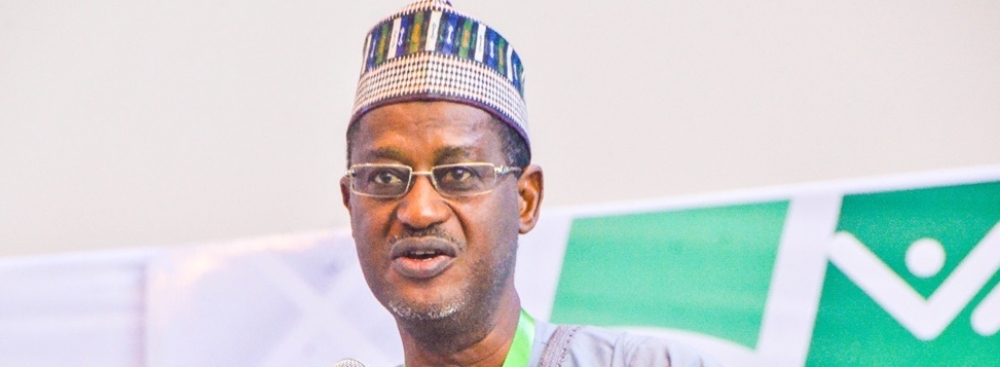
Keynote Address Delivered by The Honourable Minister, Federal Ministry of Housing and Urban Development, at The 13th Meeting of The National Council on Lands, Housing and Urban Development, Holding in Gombe, Gombe State, On 11th To 15th November 2024.
Protocols
Distinguished Ladies and Gentlemen,
It is my pleasure to deliver the KeyNote Address at this 13th edition of the National Council on Lands, Housing and Urban Development holding here in Gombe State, the “Jewel of the Savannah”.
I want to sincerely thank His Excellency, the Executive Governor of Gombe State, my dear brother and friend, Alh. Muhammadu Inuwa Yahaya, for graciously accepting to host this year’s Council Meeting and for the warm hospitality that the State has provided for all participants. Thank you, Your Excellency.
I also want to express our profound gratitude to the Distinguished Members of the Senate and House Committees that oversight the Ministry. The Chairman, Senate Committee on Lands, Housing and Urban Development, Senator Sen. Aminu Tambuwal, Chairman; House Committee on Housing and Habitat, Hon. Abdulmumin Jibrin and Chairman, House Committee on Urban Development and Regional Planning, Awaji-Inombek Abiante, I sincerely thank you all for your continual Legislative support for the development of the Housing and Urban Development Sector in Nigeria.
My appreciation goes out to Participants, Thought Leaders and Advocates for their support and expertise towards actualizing the objectives and strategies for the Sector. I thank you all for your efforts and contributions.
At the last Council Meeting in Kaduna last year November, my first Council Meeting as the Hon. Minister of Housing and Urban Development, I said that under the Renewed Hope Agenda of His Excellency President Bola Ahmed Tinubu, GCFR, we are intent on making a major and history defining difference in land administration, housing delivery and management of our urban spaces. I stated clearly that Mr. President is not happy with the state of things in the sector and the very poor progress that we have made in unleashing the capacity of the sector for economic and national development.
I went on to outline the Ministry’s Action Plan and the Key Prioritities of the Renewed Hope Agenda for the sector. This included increasing housing supply to meet the housing shortage, implementing comprehensive land reforms to ease access to land, reforming federal housing institutions including Federal Mortgage Bank of Nigeria and Federal Housing Authority. We also said we would work to establish a National Social Housing Fund to meet the housing needs of no-income, low income and underprivileged Nigerians. Furthermore was the establishment of Building Materials Manufacturing Hubs, one in each geo-political zone of the country to lower the cost of building materials, create local jobs and lower the cost of housing delivery amongst others.
DRIVING ADEQUATE AND AFFORDABLE HOUSING
It has been over a year, and I am happy to report that we are making steady progress. Under the Renewed Hope Cities and Estates Programme, we currently have construction underway at fourteen sites, comprising a total of 10,112 housing units. This includes 250-unit Renewed Hope Estates with 1, 2, and 3-bedroom semi-detached bungalows in Yobe, Gombe (NE); Nasarawa, Benue (North Central); Sokoto, Katsina (North West); Abia, Ebonyi (South East); Delta, and Akwa Ibom (South South). Additionally, we have ongoing work at the 3,112-unit Renewed Hope City in the FCT, the 2,000-unit Renewed Hope City in Kano, and another 2,000-unit Renewed Hope City in Lagos. A significant number of these units are at the roofing stage, and we look forward to their completion and commissioning.
We have also acquired land in Enugu and Borno for the development of 2,000-unit Renewed Hope Cities under a PPP arrangement. Planned locations for additional cities include Nasarawa (2,000 units) and Rivers (2,000 units). Our goal is to establish at least one Renewed Hope City in each geo-political zone and the FCT.
To fully appreciate the progress we have made over the past year, it’s essential to establish context. Before the Renewed Hope Agenda, the Ministry had initiated only about 8,000 housing units under the National Housing Programme, with only 3,000 completed over eight years. In one year, under the Renewed Hope Agenda of His Excellency, President Bola Ahmed Tinubu, we are on track to surpass this 8-year performance. Let us give a resounding applause to Mr. President for his vision, the National Assembly for its support, the Ministry’s management and staff, and our partners for this progress.
While it’s worthwhile to acknowledge our achievements, we must remember that we are only scratching the surface. The housing deficit in Nigeria is vast. We need to build approximately 550,000 units annually over the next decade to close this gap. This would require about N5.5 trillion per annum, yet our annual budget for housing remains below N100 billion. This shortfall is why we have embraced Public-Private Partnerships (PPPs) with reputable developers to help deliver housing at the necessary scale. However, PPPs alone cannot deliver affordable housing for the majority of Nigerians, given that the high costs of private-sector construction financing drive up prices.
For instance, a one-bedroom apartment at the Renewed Hope City in Karsana, built under PPP, costs about N22 million, whereas the same one-bedroom unit under the Renewed Hope Estates, funded through budgetary allocations, costs approximately N8-9 million. The difference lies in the cost of finance. Under the Renewed Hope City, developers purchase the land, secure financing at double-digit interest rates, and the FMBN provides a Bankable Offtaker Guarantee. For Renewed Hope Estates, the funds are interest-free from budget allocations, state governments provide free land, and infrastructure costs are not included in unit pricing. Although we introduced cross-subsidies, only a few people will benefit, as developers must sell the majority of units at market rates to recover their investment and repay lenders with interest.
Some may ask why we continue to embrace PPPs. We do so because, as a government, we have a duty to all Nigerians. Our goal is to provide quality housing for all income levels. PPP Renewed Hope Cities target high- to middle-income earners who can afford these prices, while the Renewed Hope Estates serve lower-income segments. In this way, there is something on offer for all categories of Nigerians.
Despite our efforts with PPPs, government financing in housing should increase. The current sub-N100 billion annual budget for housing is inadequate compared to the N5.5 trillion required annually to address our housing deficit. Housing investment fuels economic growth, job creation, and poverty alleviation. For example, constructing the 10,112 units underway nationwide has created over 252,800 jobs for skilled and unskilled workers, with an average of 25 jobs per home. Workers, such as plumbers, masons, and laborers, earn an average of about N150,000 per month with a daily wage of N5,000, in addition to economic activities around the sites. Moreover, an investment of N100 billion in housing construction returns over 80% of that amount to the government through unit sales.
Therefore, we have engaged the National Assembly leadership and received their support for increasing the annual housing budget to a minimum of N500 billion, starting with the 2025 budget cycle. This would allow us to expand housing projects to cover the remaining 18 states and increase the unit count per state from 250 to at least 500, as initially planned. Such an expansion would create more jobs, combat poverty, engage our youth, and prevent them from falling prey to violence or criminal activities. Let us give the National Assembly Leadership a standing ovation for their understanding and support towards tackling this national problem.
The Ministry has signed a Housing Development Partnership with the Shelter Afrique Development (ShafDB). Under the Partnership, the Bank will support the Renewed Hope Housing Program with Advisory Services and financing of competent Developers for an initial pilot programme for the development of 5,000 housing units.
Adding these Ministry-led housing projects to those by agencies such as the Federal Mortgage Bank of Nigeria and the Federal Housing Authority would significantly boost the supply of decent, affordable housing to meet Nigeria’s shelter needs.
We recently returned from the 12th World Urban Forum in Cairo, Egypt. What we observed there was inspiring and should motivate us as a nation to do more. The Egyptian government is constructing a New Cairo City, an urban development estimated at 500 billion Egyptian Pounds (around $10.6 billion). This includes massive housing, road construction, shopping malls, rail systems, and more. While part of the funding comes from entities like the World Bank and IFC, a significant portion is government-sourced through the Administrative Capital for Urban Development (ACUD), the overseeing authority.
We also met with India’s Housing Minister, who shared that India has built over 1 million housing units entirely through government funding.
We noted similar large-scale, government-funded housing efforts in South Africa and other African nations.
The message is clear: while we will continue to drive PPPs, our government needs to do more to finance affordable and social housing for our citizens.
This call extends beyond the federal government. I urge all Commissioners here to encourage their state and local governments to allocate a substantial portion of their revenues to affordable housing delivery while exploring PPPs.
FORGING EFFECTIVE LAND ADMINISTRATION
Besides housing supply, we are also making progress in improving the land administration system in our country as we promised. Effective land governance is important to national and economic development in Nigeria. By ensuring clarity, security, and accessibility in land ownership and transactions, we lay the foundation for increased investment, both domestic and international. Transparent land administration enhances property rights, reduces conflicts, and encourages sustainable land use practices, which together foster a stable environment for economic activities. Furthermore, efficient land governance unlocks revenue opportunities for both federal and state governments through improved land-based taxes and encourages private sector participation in real estate and infrastructure development. These efforts collectively accelerate economic growth, create jobs, and contribute to our broader goals of social equity and inclusive urban development across Nigeria.
Last month, at the 2024 National Technical Development Forum on Land Administration, we launched a new framework for fair and equitable compensation rates for crops and economic trees, ensuring adequate recompense for persons affected by government projects. This initiative, developed with support from the World Bank and the Rural Access and Agricultural Marketing Programme (RAAMP), was validated by forum participants. The last review of these rates was conducted 18 years ago.
23. For example under the revised rates for matured trees in the North Central Zone:
i. Cashew: increased from N2,000 per matured stand to N45,000 and N5.5M for a hectare.
ii. Mango: increased from N4,000 per matured stand to N105,000 and N13M per hectare.
iii. Cocoa: increased from N3,000 per matured stand to N160,000 and N160M per hectare.
Now, Project Affected Persons will receive compensation that reflects current economic realities.
We are also initiating a groundbreaking partnership between the Ministry of Housing and Urban Development and the World Bank to tackle Nigeria’s long-standing land registration challenges. Currently, over 90% of the country’s land remains unregistered, representing an estimated $300 billion in untapped capital.
This partnership aims to work with State Governments to register, document, and title all land parcels, clarifying and securing land ownership to unlock development and investment potential. Through this program, we intend to establish a National Digital Land Information System (NDLIS) to streamline land transactions, making them more efficient, transparent, and accessible. This initiative will boost economic activity and enhance property rights protection, with a goal of increasing formal land transactions from less than 10% to over 50% within a decade. As you are aware we have over 300billion dollars in dead capital because land is not titled and our people cannot leverage land as an economic asset to get loans for their businesses or other investment purposes.
The Federal Ministry of Housing and Urban Development and the World Bank are finalizing the operational framework and investment commitment for this initiative.
Distinguished Ladies and Gentlement, you may recall that last year, we formed a Land Reforms Task Team to review, audit, and devise approaches to operationalize the Land Use Act. The task team has prepared a preliminary report that highlights the need to establish a National Land Commission as a starting point for implementing the Land Use Act and coordinating state land registries.
We have also enhanced the Electronic Certificate of Occupancy (e-C of O) and Land Titling System for all federal government-owned lands across Nigeria's 36 states. This system streamlines the review, approval, and issuance of Certificates of Occupancy, significantly reducing administrative delays for federal land applications.
From fewer than six e-C of Os previously signed, I have, over the past few months, digitally signed over 1,000. As of October 2024, we have approved 417 C of O applications and received 1,079 applications. Our goal is to clear the backlog by the end of December.
SUSTAINABLE URBAN AND REGIONAL DEVELOPMENT DRIVE
Distinguished members of the Council, as we chart the course for urban development in Nigeria, we must grasp the scale of our urban growth and the profound challenges it brings. Nigeria’s urban population is expanding rapidly, driven by an annual growth rate of 4.1%. From just 9.4% in 1950, our urban population now exceeds 52%, with projections indicating a rise to 70% by 2050. By then, Nigeria will likely be the world’s third most populous country, with over 400 million people.
This expansion spans all six geo-political zones, where cities grow at unprecedented rates. Today, we have eight cities with populations above one million and 81 cities with populations between 100,000 and one million. Yet this rapid growth comes with pressing challenges. Approximately 58.8% of our urban residents live in slum conditions, with a national housing deficit of 16-18 million units. Infrastructure is inadequate, and many lack secure land tenure.
Addressing these complex issues requires strategic planning and innovation, which the National Urban Development Policy (NUDP) which is pending approval of the Federal Executive Council aims to deliver. Our goal is to provide a framework that guides long-term, sustainable urban growth, addressing not only housing and infrastructure needs but also creating the foundation for economically vibrant, climate-resilient, and inclusive cities.
The NUDP's vision is clear: to transform Nigeria’s cities into well-functioning, prosperous, resilient, secure, and livable spaces for all. Achieving this vision demands a 'Business Unusual' approach, one that replaces 'Urban Pessimism' with 'Urban Optimism.' This means embracing high-density urban development over sprawl, safeguarding agricultural land and resources, and adopting integrated, evidence-based urban policies.
Our approach includes:
1. Raising public awareness of the potential and challenges of urbanization.
2. Instilling a sense of urgency and optimism among stakeholders to implement sustainable urban strategies.
3. Providing strategic leadership to drive meaningful, short-term gains.
4. Empowering citizens to co-create and sustain this vision.
The NUDP also promotes a 'Healthy Cities' concept, integrating environmental health with secure, resilient urban spaces. This involves essential services like waste management, water, sanitation, and local public health systems. As the recent pandemic has shown, resilience in city design is critical for public health and community well-being. Models like the '15-minute city'—where essential services are within walking distance—offer accessible, self-sufficient neighborhoods that promote health and connectivity.
The NUDP also prioritizes climate responsiveness. Climate change poses a severe threat, with impacts like drought, flooding, and extreme weather intensifying. Without adaptation, climate change could cost Nigeria between 6% and 30% of its GDP by 2050. Therefore, urban planning is a frontline defense in building climate resilience and economic security.
This vision aligns with global commitments, including the 2030 Agenda for Sustainable Development (SDG 11), the Paris Agreement, and the Sendai Framework for Disaster Risk Management. By localizing these goals, we can transform urban spaces to benefit all Nigerians and capture the 'Urban Dividend,' making our cities engines of opportunity, resilience, and well-being.
This is our path to sustainable urbanism, a future where Nigeria’s cities work for everyone, delivering economic, social, and environmental benefits for present and future generations alike.
But to do this we must all work together. Federal, State and Local Governments. We must discuss and collectively agree to drive these initiatives. We must stop working in silos and build synergies. At the twelfth World Urban Forum in Cairo, there was a strong emphasis on devolving the Global conversation on urbanization. We now have an Africa Urban Forum, the last held recently this year in Addis Ababa. At the Forum all African Member Countries, including Nigeria, agreed to organize Annual National Urban Forum in the declaration.
At this Council Meeting, I would therefore direct that in line with the Africa Urban Forum Declaration, we set in motion the process for the organization of an Annual National Urban Forum where we all meet to discuss Nigeria’s Urban Agenda.
In conclusion, as we meet and deliberate at this 13th edition of the National Council on Lands, Housing, and Urban Development, let us reaffirm our shared commitment to reshaping Nigeria’s housing, land, and urban development landscapes. The work we are undertaking is more than just policy—it’s about creating a brighter, more inclusive, and prosperous future for our nation.
I urge each one of you to carry the insights, ideas, and innovative strategies from this meeting back to your respective states and departments, actively advancing our goals for sustainable, affordable housing, effective land administration, and resilient urban spaces. Let us continue building on the progress we've made and work tirelessly to transform our vision of ‘Renewed Hope’ into reality for every Nigerian.
Together, we can foster cities that are economically vibrant, environmentally sustainable, and socially inclusive. The journey ahead requires our unity, our resolve, and our unwavering dedication to delivering real, lasting change.
Thank you, and may our collective efforts here in Gombe pave the way for a stronger, more dynamic Nigeria.
Long Live Nigeria
Long Live His Excellency, President Bola Ahmed Tinubu, GCFR
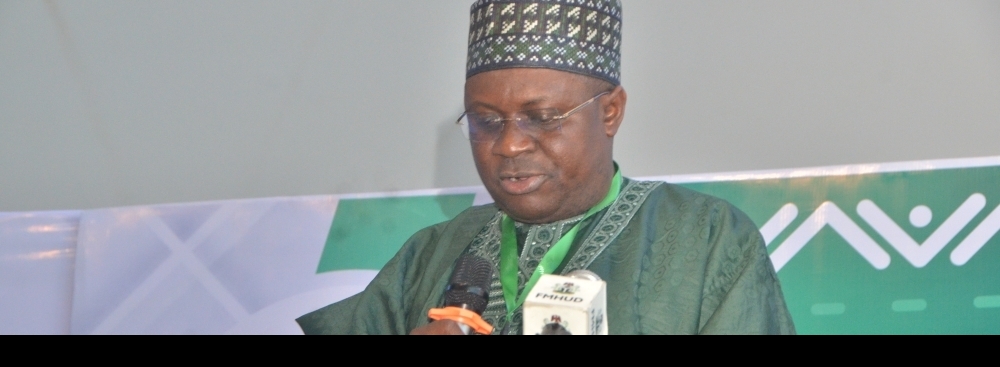
REMARKS DELIVERED BY THE PERMANENT SECRETARY, FEDERAL MINISTRY OF HOUSING AND URBAN DEVELOPMENT, AT THE 13TH MEETING OF THE NATIONAL COUNCIL ON LANDS, HOUSING AND URBAN DEVELOPMENT, HOLDING IN GOMBE, GOMBE STATE, ON 11TH TO 15TH NOVEMBER 2024.
PROTOCOLS
Distinguished Guests, Ladies and Gentlemen,
1.1 It is with great pleasure and a profound sense of purpose that I welcome you all to this important 13th National Council on Lands, Housing and Urban Development holding here in Gombe, Gombe State with the theme "Housing the Future: Affordable Housing for Economic Growth, Climate Resilient and Urban Development”. I am also truly honored to address this distinguished gathering of Permanent Secretaries and Professionals from the Housing and Urban Development Sector.
1.2 This Council meeting serves as a powerful reminder of our collective responsibility to advance the development of the Housing and Urban Development Sector in Nigeria and your presence here today demonstrates the commitment you have towards achieving this objective.
2.0.Greetings and Appreciations
2.1 Let me use this opportunity to once again appreciate the Executive Governor of Gombe State, His Excellency, Governor Muhammadu Inuwa Yahaya, for accepting to host this 13th Meeting of the Council and for his support to the Federal Ministry of Housing and Urban Development. I would also like to commend the Officials of the State Government for ensuring the provision of everything necessary towards ensuring the success of this Council meeting. I also express my gratitude to the good people of the State for the warm reception accorded to all the Participants following their arrival in the beautiful city of Gombe.
2.2 I must also use this opportunity to express our gratitude to the Chairman, Senate Committee on Lands, Housing and Urban Development, Senator Sen. Aminu Tambuwal, Chairman; House Committee on Housing and Habitat, Hon. Abdulmumin Jibrin and Chairman, House Committee on Urban Development and Regional Planning, Awaji-Inombek Abiante for their Legislative support for the development of the Housing and Urban Development Sector in Nigeria.
3.0 Reflecting on the Progress and Challenges in the Sector
3.1 We have gathered here not only to exchange best practices and review Policies but also to confront and tackle some of the most pressing challenges facing our Nigeria today—challenges of affordable housing shortages; rapid urbanization due to high population growth and increased rural urban migration; poor access to land for housing development and unsustainable urban planning, which continue to exert pressure on our urban infrastructure and housing stock.
3.2 The yearly National Council on Land, Housing and Urban Development has a reputation for fostering collaboration, generating innovative ideas and advancing meaningful solutions and I am confident that this year’s edition will not be different. I am also confident that the collaborative energy here today with my fellow Permanent Secretaries will continue to fuel our shared progress and yield actionable steps to achieve sustainable urban growth across our Nation.
3.3 Over the past few years, the Ministry has worked relentlessly to advance strategic Policies and Initiatives to drive Urban Development and increase the accessibility and affordability of housing for all Nigerians. Through ongoing Projects and Partnerships, we have strengthened our commitment to Nigerians by delivering affordable housing, improving land use policies and setting the foundation for resilient urban communities.
3.4 As you are all aware, under the current Government’s Renewed Hope Agenda for the housing sector, the Ministry has made significant progress in housing construction in all the geo-political Zones of the Country under its Renewed Hope Cities and Estates Housing Programme and the Honorable Minister has displayed strong commitment to the success of the Programme. This unprecedented progress is also due to the cooperation and support of the various state governments. I am sure that that the support could not have been possible without the cooperation of my colleagues Permanent Secretaries. I say thank you and request for your continued support in pushing forward the lofty renewed hope agenda of our dear President, especially in the housing and urban development sector.
3.5 Furthermore, knowing the importance of housing data for decision making, the Honourable Minister inaugurated a Steering Committee under my Chairmanship, which was tasked with the responsibility of providing direction and oversight for the collection of National Housing Data from Public and Private Institutions and creating access to housing data in Nigeria for Policy, Planning and decision-making. This Committee has already mandated its Technical Working Group (TWG) to come up with the Governance and Data Gathering Frameworks and modalities for setting up the National Housing Data Center (NHDC). This Programme is among some of the key initiatives of the Ministry geared towards the achievement of our mandate.
3.6 You would all agree with me that the housing and Urban Development sector faces formidable challenges, which demand a united front from both Government and Private Sector Actors to create enduring solutions. This is because the need for affordable, accessible and sustainable housing, as well as inclusive urban development has never been more urgent.
4.0 Strengthening Collaboration and Innovation
4.1 This year’s theme, "Housing the Future: Affordable Housing for Economic Growth, Climate Resilient and Urban Development” is not just a topic for discussion; it is a call to action. To meet the demands of today and to plan for a sustainable future, we as Partners in Progress; must foster Public-Private Partnerships, promote innovative Technologies and harness the resources within our communities. By bringing together Thought Leaders, Policy Experts, and Community Advocates, we are not only setting the direction for future growth but also building a legacy of resilience and inclusivity for generations to come.
4.2 Since this commencement of the National Council meeting, we have been deliberating on critical areas including, Improving access to land; land Titling and Registration; Building collapse; Social Housing; Green Building practices, Partnerships, Institutional strengthening and Policy. I urge each of you to continue to participate actively, bringing forth your unique perspectives, experience and expertise as we work toward actionable solutions that will shape the future of our Cities and Communities.
4.3 It is noteworthy that one of the recurring issues that has come up since the commencement of this Council meeting on Monday has been the issue of the need for close monitoring of the implementation of the Resolutions reached at the Annual National Council meetings. This will require regular monitoring of implementation status by all levels of Government and the plan of the Ministry going forward is to work closely with key Stakeholders on the Implementation status of their relevant Resolutions through periodic review sessions. Concerned with the non-implementation of Council resolutions over the years, the Federal Ministry of Housing and Urban Development sponsored a memo this year to seek the approval of Council for the mid term monitoring of the implementation of Council resolutions. I am happy to inform you that the Technical Session held yesterday accepted the prayers and this will be presented to the body of Permanent Secretaries today.
4.4 Our collective vision is clear: a Nigeria where every Citizen has access to safe, affordable housing within thriving, sustainable communities. This Council is instrumental in realizing that vision and each contribution made here will impact lives and strengthen our Nation’s socio-economic fabric.
4.5 In closing, let me extend my profound gratitude to all of you for your commitment and collaboration in the work that lies ahead. The outcome of this Council and Permanent Secretary’s meeting will play a pivotal role in shaping our Policies, guiding our Projects and laying the groundwork for sustainable development.
4.6 On behalf of the Ministry of Housing and Urban Development, I thank you for your participation and wish all of us fruitful deliberations. May our efforts this week set a course for lasting and positive change in Nigeria.
4.7 Thank you and may God bless our nation.
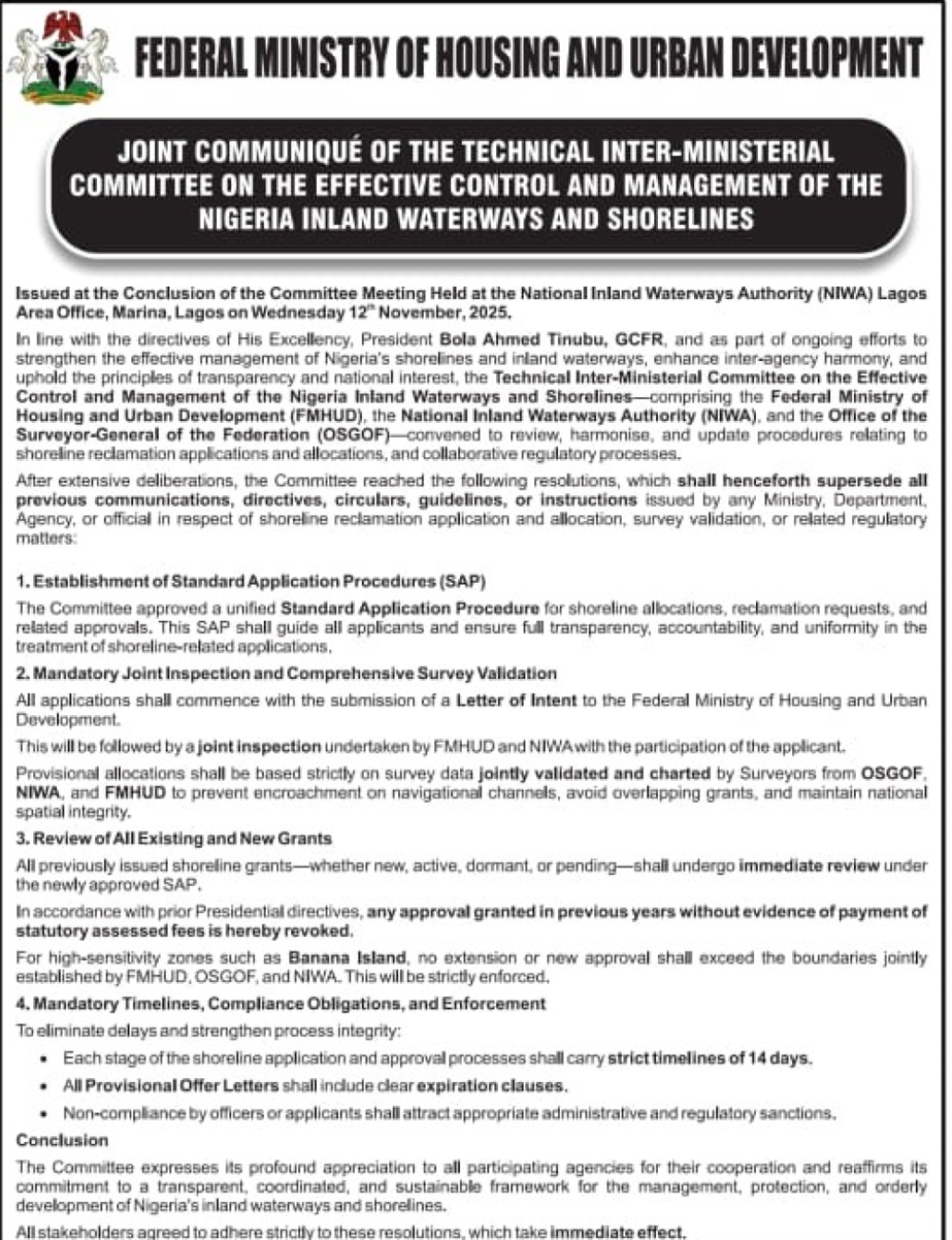
JOINT COMMUNIQUE OF THE TECHNICAL INTER-MINISTERIAL COMMITTEE ON THE EFFECTIVE CONTROL AND MANAGEMENT OF THE NIGERIA INLAND WATERWAYS AND SHORELINES
FMHUD MANAGEMENT APPEARS BEFORE REPS COMMITTEE FOR 2026 BUDGET DEFENSE
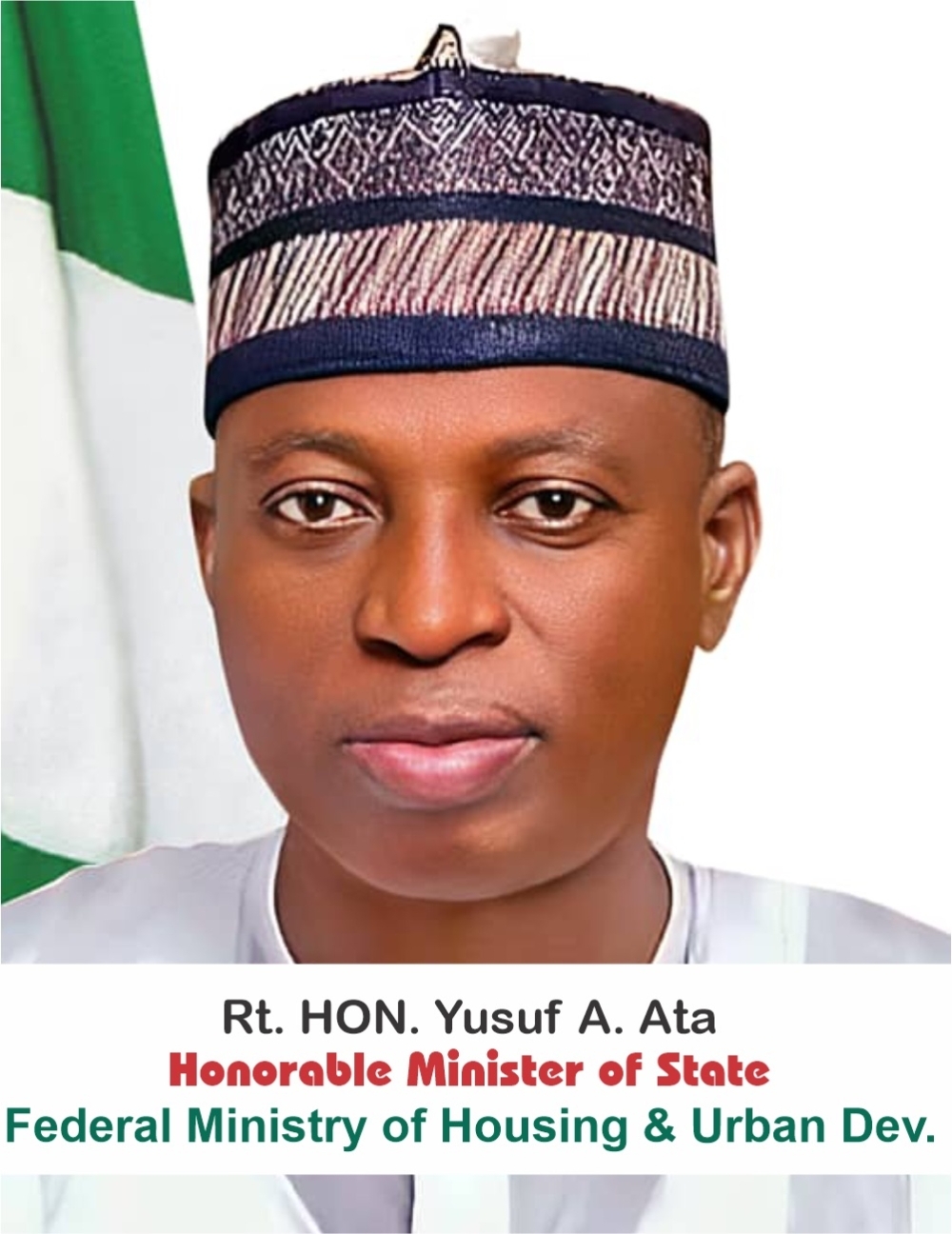
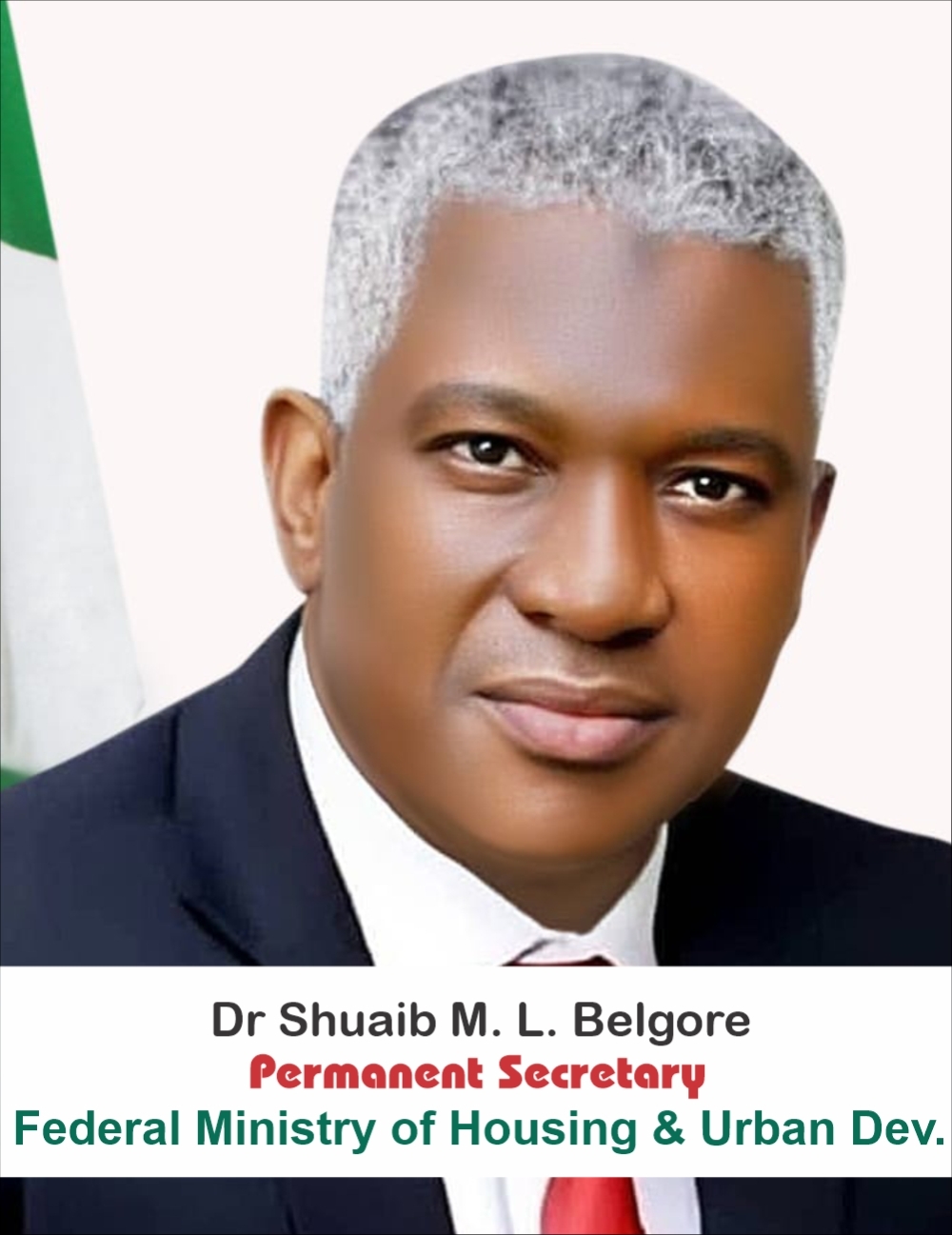
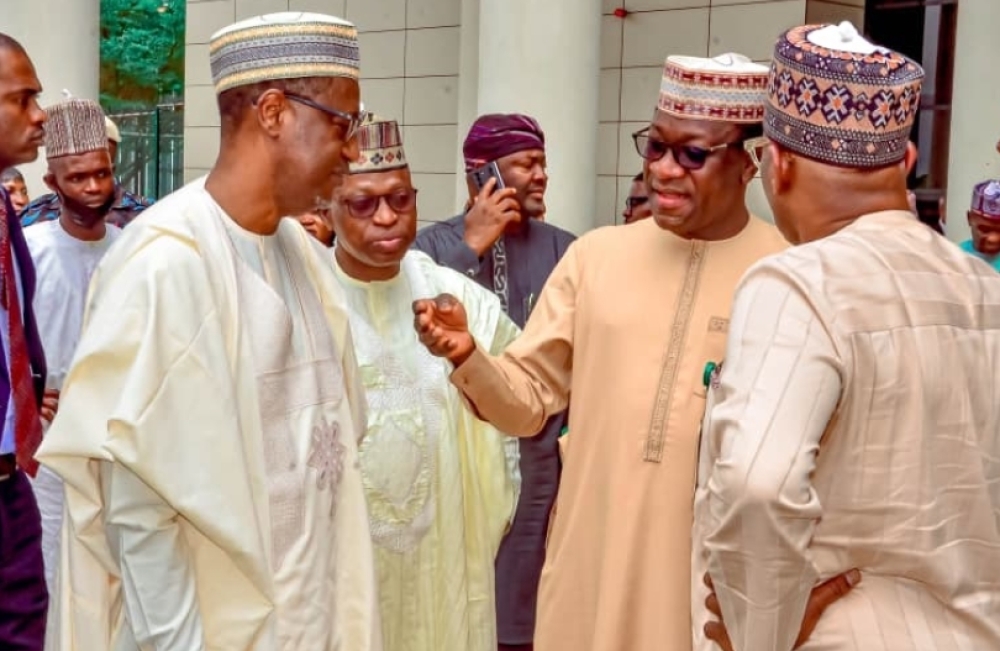
Hon Minister and Minister of State, FMHUD, Arch Ahmed Dangiwa and Rt Hon Yusuf Ata, led the Management Staff of the Ministry under the Permanent Secretary, Dr Shuaib Belgore to the 2026 Budget Defense before the House of Representatives Committee on Housing and Habitat, Tuesday, January 10th, 2026.
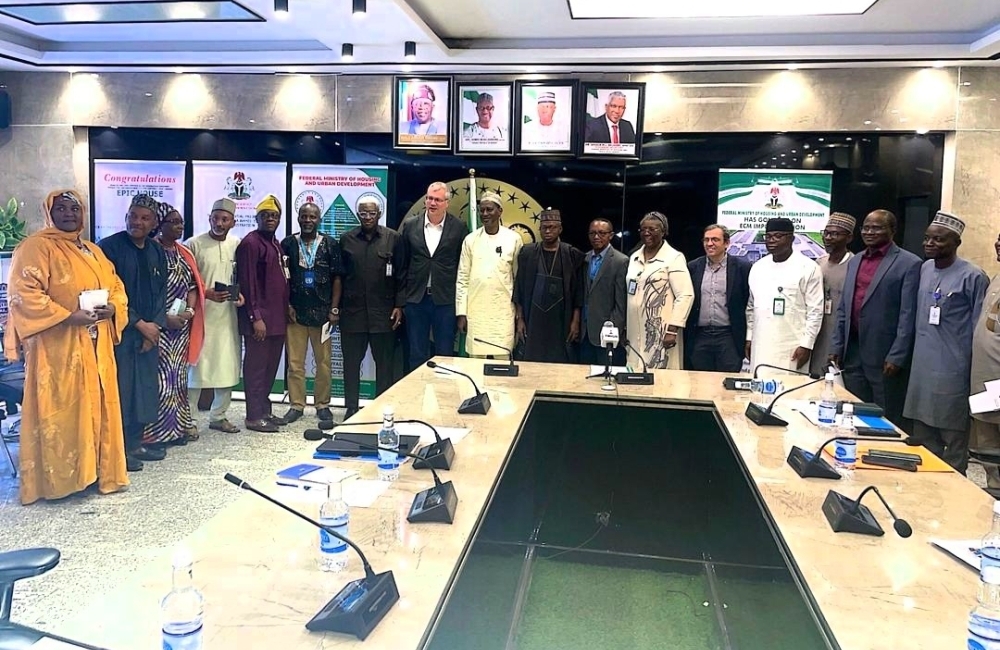
MEETING OF THE HON MINISTER, FMHUD AND HEAD OF UN HABITAT, WEST AFRICA HUB, DAKAR, MR MATHIAS, SPALIVIERO, WEDNESDAY, 25TH FEBRUARY, 2025
Meeting of the Hon Minister, FMHUD and Head of UN Habitat, West Africa Hub, Dakar, Mr Mathias, Spaliviero, Wednesday, 25th February, 2025