Housing Ministry Trains Agencies, Developers on PPP, Joint Ventures Housing Development
* Training session, part of activities lined up for the Renewed Hope Housing PPP Summit
Ministry of Housing and Urban Development is set to train heads of housing agencies and developers on leveraging Public-Private-Partnerships and Joint Ventures for housing development.
The training titled “Leveraging PPPs and Joint Ventures for Housing Development” will be conducted in collaboration with Shelter Advisory Services Limited. It is aimed at structuring housing financing in the implementation of viable housing ppps to accelerate housing delivery in Nigeria.
The training session is part of activities lined up for a Summit on Renewed Hope Housing PPP designed for a high-level policy and transaction platform, dedicated to advancing structured PPP for housing delivery in Nigeria.
Stakeholders from federal and state, policy makers, legislators, institutional investors, developers, and development partners will gather to review and align policy frameworks with implementable housing projects.
Essentially, the Summit seeks to move the housing conversation beyond strategy into sustained delivery, translating policy clarity into investable projects and measurable impact for Nigerian cities and communities.
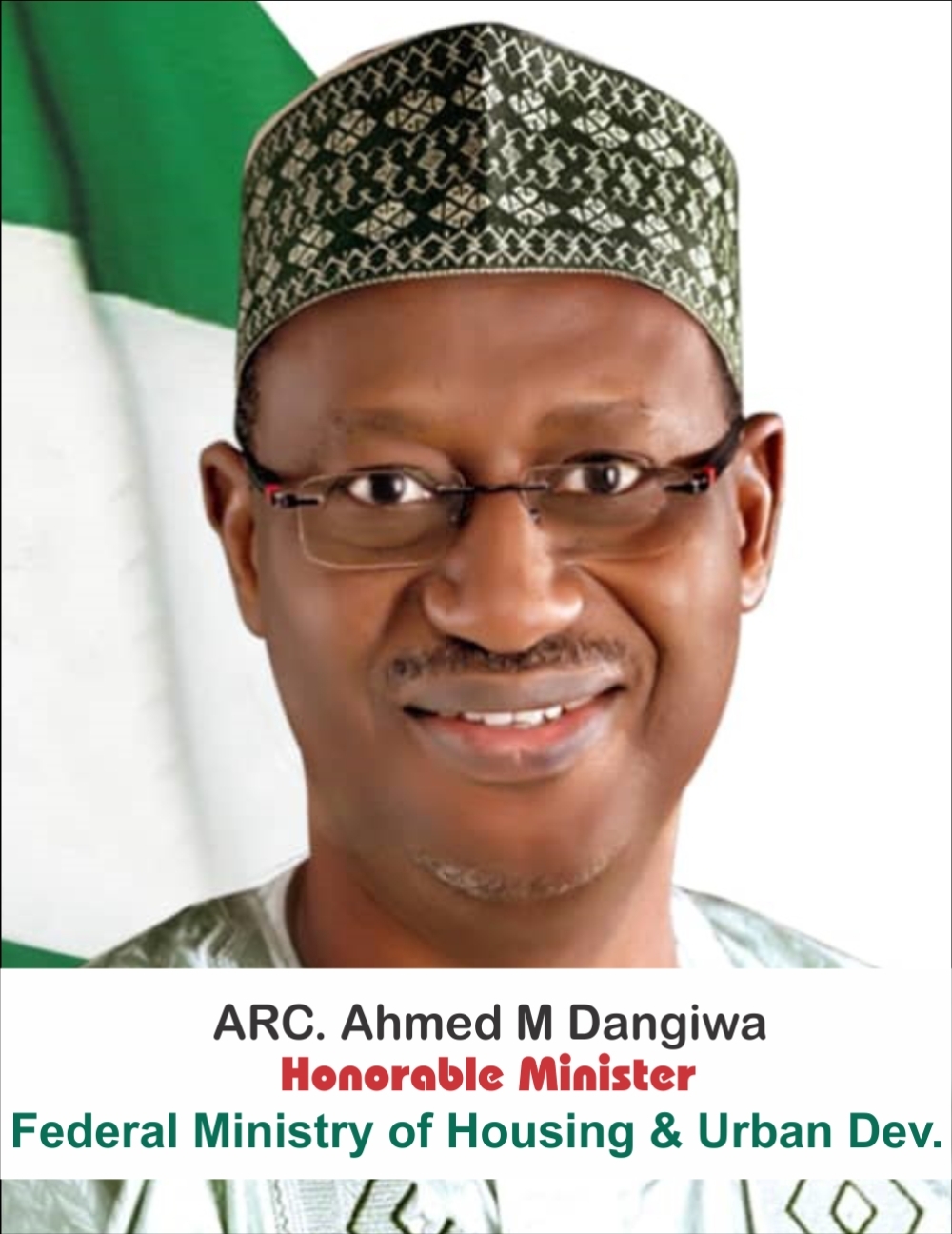
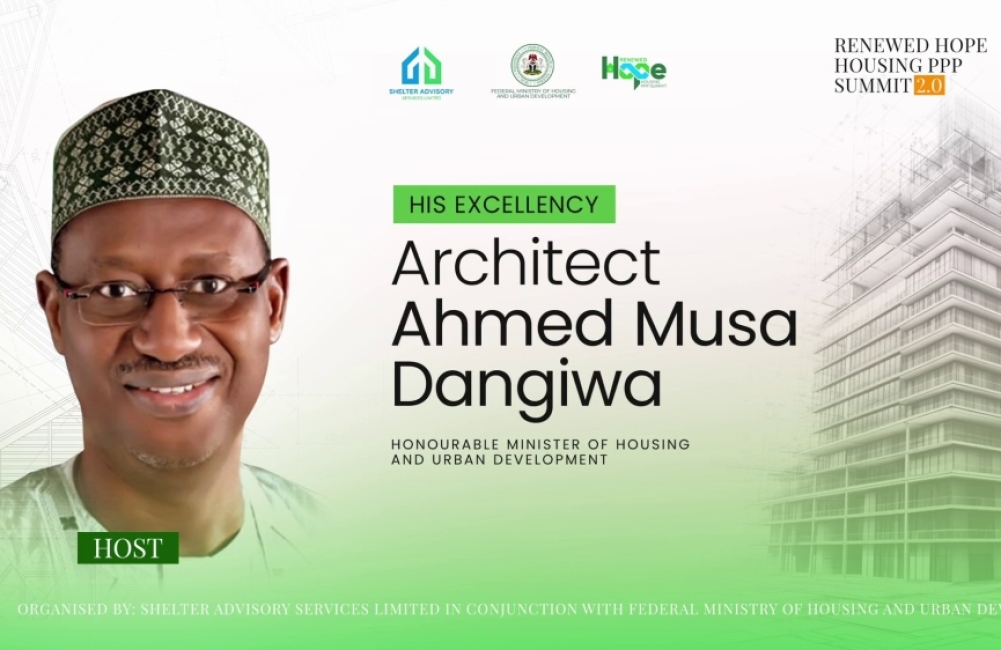
Minister Dangiwa, stated that the Renewed Hope Housing PPP Summit is aimed at accelerating large -scale housing delivery in Nigeria, under the theme “From Policy to Projects: Financing and Delivering Housing at Scale through PPPs”.
" The central objective of the Renewed Hope Housing PPP Summit: is to bridge the gap between well-articulated policies and tangible, bankable housing projects on the ground", Dangiwa stated.
It will provide a practical, transaction-focused platform where the stakeholders would engage on how to structure, finance, and implement viable housing PPPs, with emphasis to be placed on project pipelines, financing instruments, risk-allocation frameworks, and successful delivery models that can be replicated across states", Dangiwa further stated.
The Chief convener Shelter Advisory, Dr. Olayemi Rotimi-Shodimu, explained that " the Summit recognises Public–Private Partnerships (PPPs) as the most viable pathway for mobilising long-term finance, aligning public land and infrastructure with private sector expertise, and delivering housing at the scale Nigeria urgently requires".
The summit's Keynote will be delivered by Elena Panaritis, Founder of Thought4Action and an international expert in property rights reform, informal economies, and PPP driven housing development.
Vice President, Kashim Shettima, is expected to serve as the Special Guest of Honour, with a Ministerial Address to be delivered by Arc. Ahmed Musa Dangiwa, Minister of Housing and Urban Development.
Chairmen of the National Assembly housing commitees in the Senate and House of Representatives are also expected to make presentations at the Summit.



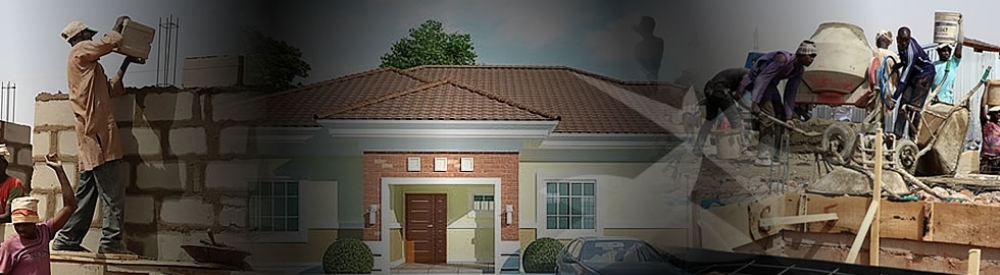
Housing Ministry Trains Agencies, Developers on PPP, Joint Ventures Housing Development Ministry of Housing and Urban Development is set to train heads of housing agencies and developers on leveraging Public-Private-Partnerships and Joint Ventures for housing development. The training titled “Leveraging PPPs and Joint Ventures for Housing Development” will be conducted in collaboration with Shelter Advisory Services Limited. It is aimed at structuring housing financing in the implementation of viable housing ppps to accelerate housing delivery in Nigeria. The training session is part of activities lined up for a Summit on Renewed Hope Housing PPP designed for a high-level policy and transaction platform, dedicated to advancing structured PPP for housing delivery in Nigeria. Stakeholders from federal and state, policy makers, legislators, institutional investors, developers, and development partners will gather to review and align policy frameworks with implementable housing projects. Essentially, the Summit seeks to move the housing conversation beyond strategy into sustained delivery, translating policy clarity into investable projects and measurable impact for Nigerian cities and communities. Minister Dangiwa, stated that the Renewed Hope Housing PPP Summit is aimed at accelerating large -scale housing delivery in Nigeria, under the theme “From Policy to Projects: Financing and Delivering Housing at Scale through PPPs”. " The central objective of the Renewed Hope Housing PPP Summit: is to bridge the gap between well-articulated policies and tangible, bankable housing projects on the ground", Dangiwa stated. It will provide a practical, transaction-focused platform where the stakeholders would engage on how to structure, finance, and implement viable housing PPPs, with emphasis to be placed on project pipelines, financing instruments, risk-allocation frameworks, and successful delivery models that can be replicated across states", Dangiwa further stated. The Chief convener Shelter Advisory, Dr. Olayemi Rotimi-Shodimu, explained that " the Summit recognises Public–Private Partnerships (PPPs) as the most viable pathway for mobilising long-term finance, aligning public land and infrastructure with private sector expertise, and delivering housing at the scale Nigeria urgently requires". The summit's Keynote will be delivered by Elena Panaritis, Founder of Thought4Action and an international expert in property rights reform, informal economies, and PPP driven housing development. Vice President, Kashim Shettima, is expected to serve as the Special Guest of Honour, with a Ministerial Address to be delivered by Arc. Ahmed Musa Dangiwa, Minister of Housing and Urban Development. Chairmen of the National Assembly housing commitees in the Senate and House of Representatives are also expected to make presentations at the Summit.
* Training session, part of activities lined up for the Renewed Hope Housing PPP Summit
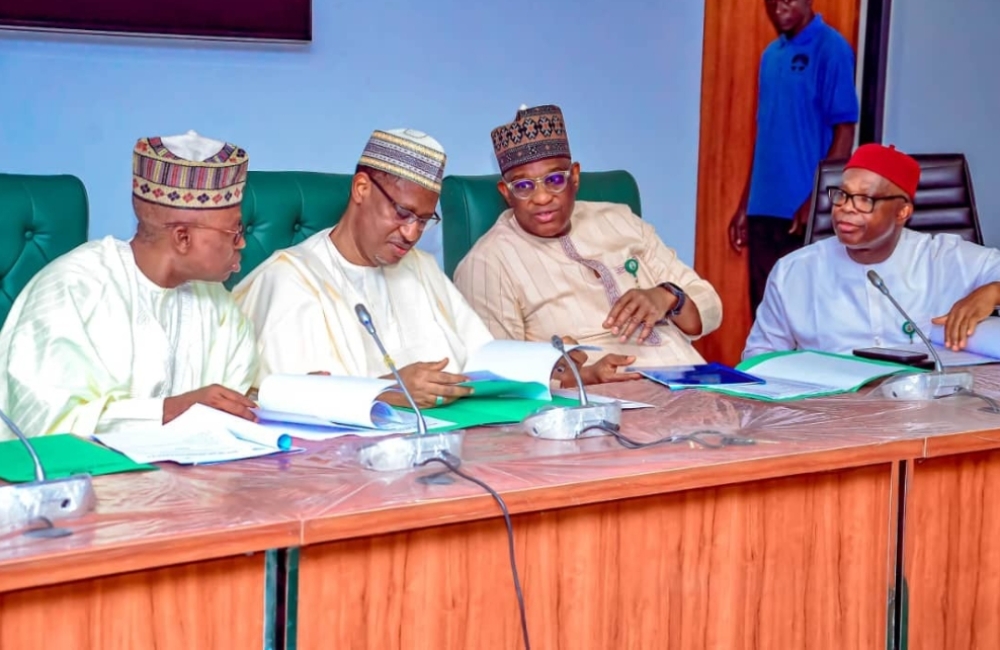
Housing Ministry, National Assembly Advocate Robust Funding for Housing Sector The National Assembly has called for increased and sustained funding for the housing sector, recognising its critical role in economic growth, job creation, and national development. This position was expressed during the 2026 budget defence of the Federal Ministry of Housing and Urban Development before the Senate and House of Representatives Committees. The Senate Committee on Lands, Housing and Urban Development is chaired by Senator Aminu Waziri Tambuwal, while the House of Representatives Committee on Housing and Habitat, is chaired by Hon. Abdulmumin Jibrin. During the session with the Senate Committee, Chairman Senator Aminu Waziri Tambuwal reaffirmed the Senate’s commitment to supporting policies and funding mechanisms that will strengthen housing delivery nationwide. “Housing delivery remains central to national development, and the Senate will continue to support initiatives that expand access to affordable homes and strengthen urban infrastructure,” he stated. He urged the Ministry to sustain close engagement with the Committee to ensure effective implementation of programmes and optimal utilisation of appropriated funds. At the session with the House of Representatives Committee on Housing and Habitat, Chairman Hon. Abdulmumin Jibrin emphasised the strategic importance of housing to Nigeria’s economy and national development. “Housing must be prioritised on the government’s agenda because of its multi-dimensional impact on the economy. The sector creates jobs for various skilled workers and stimulates activity across multiple value chains,” he stated. Hon. Jibrin further disclosed that his consultations with relevant government funding institutions indicate a shared understanding that the housing sector remains underfunded and requires increased investment to strengthen delivery capacity and maximise its economic impact. He assured the Committee’s readiness to support initiatives that will expand affordable housing supply and improve living conditions for Nigerians. Earlier, the Honourable Minister of Housing and Urban Development, Arc. Ahmed Musa Dangiwa, led the Ministry’s management team — alongside the Honourable Minister of State for Housing and Urban Development, Rt. Hon. Abdullahi Ata; the Permanent Secretary, Dr. Shuaib Belgore; and Directors of the Ministry — to present the Ministry’s 2026 budget proposals. The Minister explained that the Ministry’s priorities in the 2026 budget are designed to consolidate ongoing projects, sustain momentum, and ensure continuity in housing delivery and urban infrastructure development nationwide. Key 2026 Budget Priorities of the Housing Ministry; * Renewed Hope Housing Programme — delivery of 4,000 housing units across 15 state capitals nationwide (Osun, Oyo, Delta, Akwa Ibom, Abia, Ebonyi, Cross River, Benue, Nasarawa, Kwara, Katsina, Sokoto, Gombe, Kano and Yobe). * Completion of National Housing Programme (NHP) projects in over 20 states and the FCT. * Construction of an additional office block at the Ministry’s headquarters in Mabushi, Abuja. * Completion of ongoing Federal Secretariats in Anambra, Bayelsa, Ekiti, Nasarawa, Zamfara and Osun States. * Completion of additional Federal Secretariats in Abia, Ebonyi, Kebbi, Kogi and Taraba States. * Major rehabilitation and restoration of 28 existing Federal Secretariats nationwide. * Upgrading, completion and operationalisation of Building Crafts Training Schools in Yaba (Lagos State) and Ikeduru (Imo State). Funding Support and Strategic Interventions The Minister also requested special funding interventions to address outstanding liabilities and critical national commitments, including: • MDGs/SDGs projects • Zonal Intervention Projects (ZIP) • Special Projects Unit (SPU) mandates • Outstanding urban renewal and slum upgrading obligations • Physical development planning projects Additional funding needs include: • Provision of on-site infrastructure (roads, drainage, culverts, and utilities) to support PPP housing developments nationwide; • Expansion of the National Urban Renewal and Slum Upgrade Programme across the 36 states and the FCT. The Ministry reaffirmed its commitment to working closely with the National Assembly and relevant stakeholders to expand affordable housing supply, strengthen urban infrastructure, and support inclusive economic growth. ...
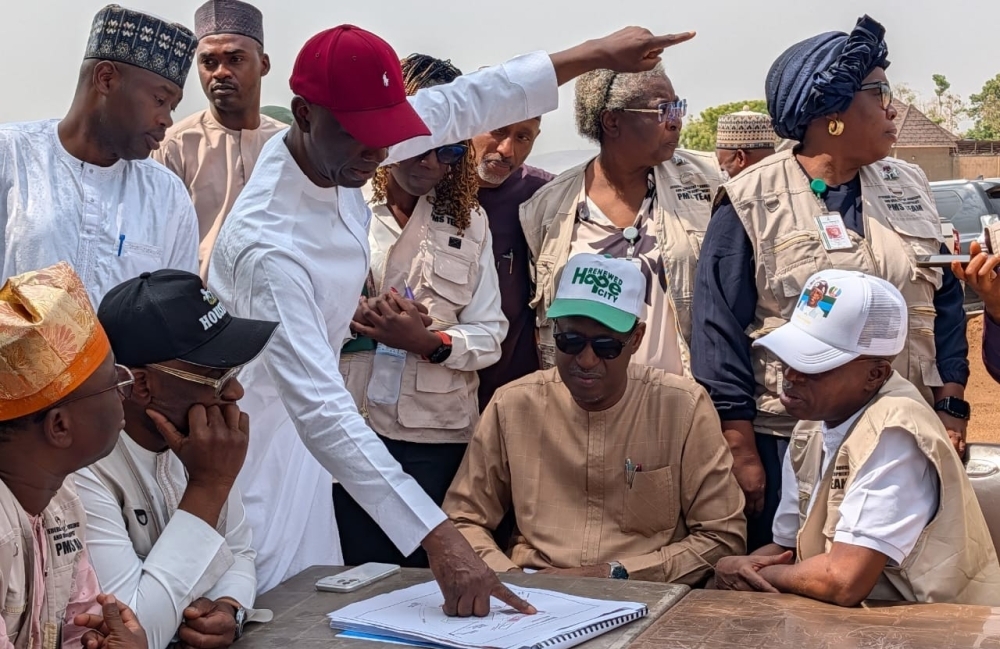
Tinubu Set To Kick off A Historic 500,000 Housing Unit MEGA RENEWED HOPE CITY In FCT/Nassarawa Urban Corridor * Mega Renewed Hope City to Transform FCT/Nassarawa Growth Corridor - Dangiwa The Honourable Minister of Housing and Urban Development, Arc. Ahmed Musa Dangiwa, has announced that the Federal Government is set to commence a historic 500,000-housing-unit MEGA RENEWED HOPE CITY within the FCT/Nasarawa urban corridor — one of the largest master-planned housing developments in Nigeria’s history. The Minister made this disclosure during an inspection visit to Aso-B in Mararaba, Nasarawa State, the proposed site for the MEGA RENEWED HOPE CITY. Spanning approximately 5,000 hectares and strategically located between Abuja and Nasarawa State, the MEGA RENEWED HOPE CITY is conceived as a modern, integrated urban district designed to significantly increase housing supply, strengthen critical infrastructure, stimulate economic activity, and support the long-term spatial development strategy of the Federal Capital Territory. The project lies within a key urban expansion corridor, sharing boundaries with NAF Valley, Nyanya, Guruku, and the NHA Housing Scheme at Mpape. Its location is pivotal to the Federal Government’s strategy to decongest central Abuja while creating structured, sustainable residential and commercial alternatives through coordinated urban planning. The master plan outlines six major districts — Kabuso, Guruku, Yelwa, Gbagalape, A.A. Sule, and Kudu. Each district will feature: * Affordable and mixed-income residential communities * Commercial and business hubs * Schools and healthcare facilities * Recreational and green spaces * Integrated public utilities and modern infrastructure The MEGA RENEWED HOPE CITY is being delivered under a structured Public–Private Partnership (PPP) framework, bringing together relevant government institutions and private sector partners with clearly defined roles to ensure efficiency, accountability, and long-term sustainability. Under the framework: * The Federal Ministry of Housing and Urban Development will provide overall coordination and development oversight. * The Federal Ministry of Finance will support financing arrangements. * The Federal Ministry of Works will be responsible for major road infrastructure. According to Minister Dangiwa, the MEGA RENEWED HOPE CITY aligns squarely with President Bola Ahmed Tinubu’s Renewed Hope Agenda, particularly in its commitment to: * Expanding access to affordable housing at scale * Decongesting Abuja and improving urban liveability * Delivering climate-responsive and resilient infrastructure * Creating jobs and stimulating economic growth * Promoting sustainable urban planning and environmental stewardship “This MEGA RENEWED HOPE CITY represents a transformative step in structured urban expansion. It is about building inclusive, resilient, economically vibrant communities that will serve both present and future generations,” the Minister stated. He further emphasised that adequate compensation and comprehensive stakeholder engagement will be ensured before full project commencement, reaffirming the Ministry’s commitment to fairness, transparency, and community inclusion. His Excellency, President Bola Ahmed Tinubu, GCFR, is expected to perform the foundation-laying ceremony for the MEGA RENEWED HOPE CITY — marking a defining milestone in Nigeria’s housing and urban transformation journey and underscoring the administration’s resolve to unlock new growth corridors and accelerate infrastructure development nationwide ...
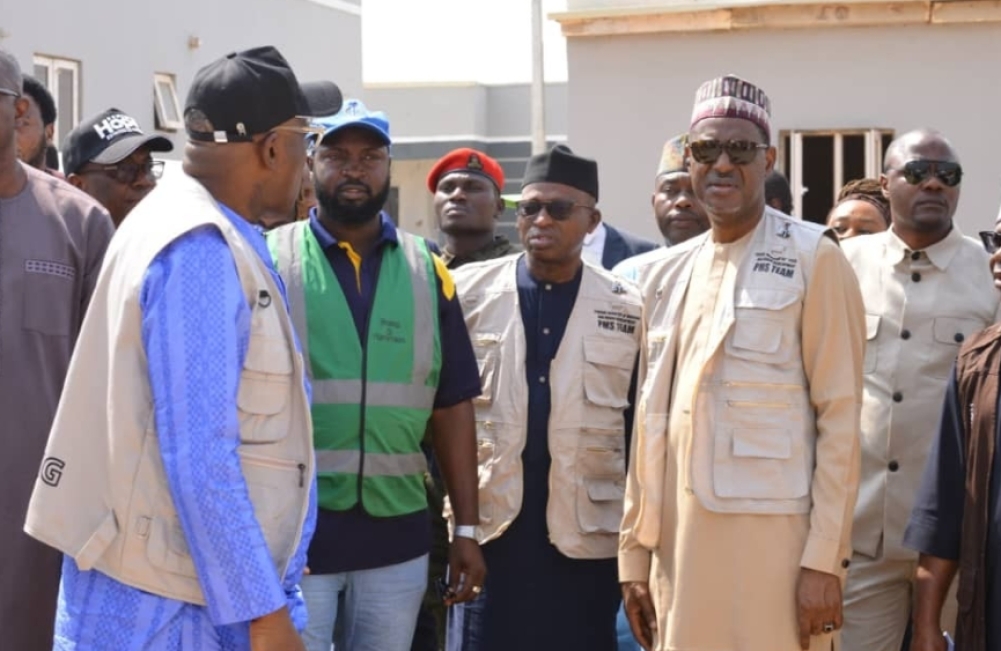
Dangiwa Directs Speedy Completion of 1550 Housing Unit Project For Military in Abuja Housing and Urban Development Minister, Ahmed Musa Dangiwa has stated the commitment of President Bola Ahmed Tinubu to delivering modern, fully serviced barracks accommodation for personnel of the Nigerian Army, saying that the project will enhance operational effectiveness of their service to the nation. Dangiwa spoke during his Inspection of the 1,550-Unit Nigerian Army Housing Project in Abuja. The Nigerian Army Housing Project forms part of the broader Renewed Hope Agenda of the President Tinubu’s administration, which prioritizes infrastructure development, security sector support, and improved welfare for public servants. The housing project, a special presidential intervention,comprising one-, two-, and three-bedroom bungalows, is being constructed by Brains and Hammers estate developing company and delivered under the Renewed Hope Housing Programme as directed by President Bola Ahmed Tinubu, to improve the welfare and living conditions of military personnel. According to Dangiwa, " the initiative is aimed at reviving the traditional barracks system where members of the Armed Forces are properly housed within secure and well-planned residential communities to enable them discharge their duties effectively" He disclosed that President Tinubu has directed that the project be completed within the next two to three months, with a target for commissioning by the end of March or the first week of April. Dangiwa noted that the estate is designed as a fully integrated residential community, complete with critical infrastructure and ancillary facilities such as fully tarred internal roads, Religious centres, Shopping mall, Sports facilities, Officers’ mess, Clinic, Schools, Fire service station, among others, to ensure comfortable and sustainable living conditions for personnel and their families. In addition, he pointed out that a 6.5-kilometre dualised access road linking the estate directly to the Kubwa Highway is under construction by the same contractor, significantly improving connectivity and opening up the surrounding corridor for development. “The access road has opened up the entire location. With the construction of this road, developers are already springing up with their own construction in their various locations, and the project has progressed tremendously both internally and externally, including landscaping, roads, water and electricity installations,” the Minister observed. Dangiwa further revealed that the project is being jointly implemented by the Ministry of Housing and Urban Development and the Federal Housing Authority (FHA), alongside other supervising agencies. Also speaking during the inspection, a representative of the Brains and Hammers developers handling the project, expressed confidence in meeting the delivery timeline and commended the Minister for his support. “By the grace of God, we should be delivering this project by the end of March or the first week of April,” He stated. He expressed happiness in the Minister’s visit, adding that the support has strengthened their capacity and commitment to ensure good delivery. The Minister was accompanied on the inspection by the Minister of State for Housing and Urban Development, the Permanent Secretary of the Ministry, and Directors of the Ministry ...
Minister’s Aide Congratulates PR Director on Service Delivery Award
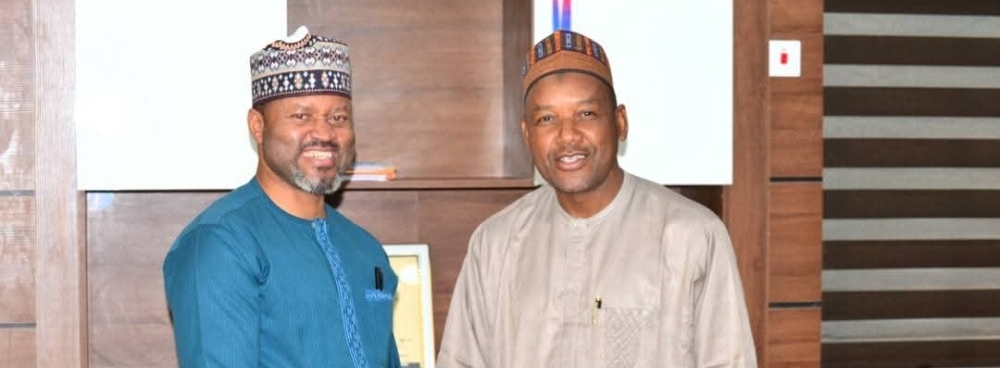
Special Assistant (Media & Strategy) to the Honourable Minister of Housing and Urban Development, Mr. Mark Chiese, has congratulated the Director of Press and Public Relations, Mr. Badamasi Haiba, for leading his department to win the Best Department in Service Delivery award in the Ministry.
Mr. Chiese, during a visit to the Director’s office on Thursday, October 16, 2025, commended Mr. Haiba’s leadership and the professionalism of his team, noting that their efforts have greatly enhanced the Ministry’s visibility and strengthened public confidence.
He further encouraged the staff of the Press and Public Relations Department to sustain their teamwork and commitment toward achieving greater results in line with the Ministry’s mandates and deliverables.
In his response, Mr. Haiba expressed appreciation to the Honourable Minister and the Ministry’s management for their continuous support.
He dedicated the award to his team for their dedication to excellence in communication and service delivery, and pledged to continue promoting transparency and effective public engagement in line with the Ministry’s housing and urban development goals.
NEWS UPDATE
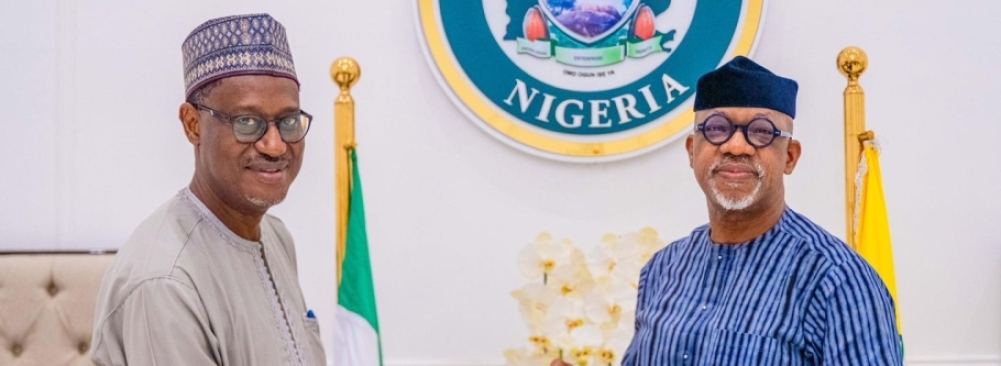
The Honourable Minister of Housing and Urban Development, Arc. Ahmed Musa Dangiwa, yesterday paid a courtesy visit to the Executive Governor of Ogun State, His Excellency Prince Dapo Abiodun, CON, at the Governor’s Office in Abeokuta, shortly after arriving on the inaugural flight from Abuja to the newly completed Gateway International Agro-Cargo Airport.
During the meeting, the Minister commended Governor Abiodun for his visionary and transformative leadership of Ogun State, particularly lauding the world-class Airport Project as a landmark achievement that reflects the Governor’s commitment to modern infrastructure and regional economic growth.
In his response, Governor Abiodun praised Arc. Dangiwa for the bold reforms and impactful initiatives being implemented under President Bola Ahmed Tinubu’s Renewed Hope Housing Programme, noting that the Minister’s leadership is repositioning the housing and urban development sector as a major catalyst for investment, job creation, and national prosperity.

WELCOME ADDRESS BY THE DIRECTOR OF LANDS AND HOUSING DEVELOPMENT, FEDERAL MINISTRY OF HOUSING AND URBAN DEVELOPMENT, ESV. ALABI COLLINS, FNIVS AT THE NATIONAL LANDS REGISTRATION AND DOCUMENTATION PROGRAMME HELD ON 19TH MARCH 2025, AT TRANSCORP HILTON HOTEL, ABUJA
PROTOCOLS:
1.0 Distinguished Governors, Honourable Ministers, Directors, World Bank Group and Participants.
2.0 It is with great joy and honour that I stand before you today to welcome you all to this important National Lands Registration and Documentation Programme. This programme marks a significant milestone in our effort to strengthen Nigeria’s land administration system. I extend my heartfelt appreciation to all our distinguished guests and stakeholders who have taken the time to be here today.
3.0 Today’s high-level workshop is aimed at sensitization on the benefits of National Land Registration and Documentation Programme. It is not intended to usurp or invade the constitutional powers of the State as custodians of land but to seek the support and cooperation of all States for the successful implementation of a National Lands Registration and Documentation programme in Nigeria.
4.0 This initiative is not just a government-driven programme but a collective effort that requires the cooperation of all stakeholders. State Governments play critical roles in land administration, and we encourage their full participation in aligning their systems with not only national standards but global best practices. Likewise, the private sector and financial institutions must support this process by integrating digital land records into mortgage and real estate transactions.
5.0 On this note, I wish to express my profound gratitude to our partners, facilitators and organizers for their dedication to making this workshop a reality. The Federal Ministry of Housing and Urban Development remains committed to working with all stakeholders to ensure that land registration in Nigeria is efficient, secure and beneficial to every citizen.
6.0 Once again, I welcome you all and looking forward to a productive and impactful deliberation.
Thank you and God bless the Federal Republic of Nigeria.

KEYNOTE ADDRESS BY THE HON. MINISTER OF HOUSING AND URBAN DEVELOPMENT, ARC. AHMED MUSA DANGIWA, AT THE WORKSHOP ON THE NATIONAL LAND REGISTRATION AND DOCUMENTATION PROGRAMME (NLRDP), TRANSCORP HILTON, ABUJA, ON WEDNESDAY, MARCH 19, 2025
Protocols
1. Let me begin by expressing my heartfelt gratitude to the World Bank for their steadfast support in advancing the land administration reforms championed by His Excellency, President Bola Ahmed Tinubu, GCFR. Your commitment of time, resources, technical expertise, and knowledge has been invaluable in driving the transformative agenda of the Federal Ministry of Housing and Urban Development. We deeply appreciate your partnership and shared vision to create a historic impact in this sector.
2. I would also like to acknowledge the innovative efforts of several State Governments. Many of you have taken commendable steps to improve land management and governance within your jurisdictions. Your willingness to collaborate with the Federal Government, through the Ministry and our partners like the World Bank, demonstrates a shared commitment to addressing the critical challenges in land governance. As a federation with distinct jurisdictions, we must work together to bring order and efficiency to the land sector. Working in silos will not yield the results we all desire.
3. Now, as many of you know, Nigeria has faced longstanding challenges in land governance. These include:
• The lack of a systematic, credible, and uncontested framework to identify property ownership, interests, and locations.
• The cumbersome and inefficient property registration process, which has resulted in less than 10% of land in Nigeria being registered under the current sporadic system.
• The absence of authoritative data to support effective land administration.
• Limited access to available land records.
• The existence of the Land Use Act of 1978 (now Cap 2004) without the necessary regulations to facilitate its implementation.
• The absence of a national institution to advise the Council of State, which is constitutionally empowered to make regulations for the Act.
• Inadequate data and information for effective land valuation in both urban and rural areas; and
• The lack of essential infrastructure, such as geodetic stations, land use maps, township plans, and functional land registries.
4. Your Excellencies, distinguished guests, today’s workshop marks a significant step in the current administration’s efforts to implement long-overdue reforms. These reforms are essential to unlocking the immense potential of Nigeria’s landed assets for economic growth, wealth creation, poverty reduction, capital accumulation, and national development through the National Land Registration, Documentation, and Titling Programme.
5. Let me emphasize why this initiative is so important. Over 90% of land in Nigeria is unregistered and untitled, making it impossible for landowners to leverage their assets for economic purposes. Experts estimate that this has resulted in a dead capital exceeding $300 billion. Addressing this issue is not just about administrative efficiency; it is a critical step toward economic transformation.
6. In 2024, the Ministry conceived and developed the framework for this Programme, with the primary objective of partnering with State Governments to achieve specific goals.
7. First, we aim to register, document, and title all land parcels to unlock Nigeria’s dead capital, empowering landowners to utilize their assets for economic growth. For the Federal Government, this will increase revenue through land taxes, registration fees, and titling charges, while also enhancing economic growth by enabling landowners to use land as collateral for loans and investments. For State Governments, it will improve land governance and transparency, attract investments, and increase internally generated revenue (IGR) through land-related transactions.
8. Second, we plan to develop and launch a National Digital Land Information System (NDLIS) to modernize land administration. This system will centralize and digitize land records, reducing bureaucracy and corruption in land transactions. For the Federal Government, it will improve efficiency, enabling faster processing of land titles and registrations, while for State Governments, it will streamline processes, reduce delays, and improve access to accurate and up-to-date land information.
9. Third, we seek to increase the formalization of land transactions from less than 10% to over 50% in the next 10 years. This will expand the formal economy, enhance the capacity to track and regulate land markets, and improve access to credit for citizens and businesses. For State Governments, it will increase revenue from formal land transactions, improve land market efficiency, and empower marginalized groups, such as women and youth, through formal land ownership.
10. Fourth, we will train and deploy technically competent land registration officers nationwide. This will standardize land administration processes, reduce dependency on external consultants, and improve public service delivery. For State Governments, it will create a skilled workforce capable of handling complex land registration and titling processes, ensure faster and more efficient service delivery, and strengthen collaboration with federal agencies.
11. Let me be clear: this initiative respects the jurisdictional independence of State Governments. Our role is to establish a uniform framework that enables States to build credible, efficient, and interoperable land titling and registration systems, fostering nationwide integration and functionality.
12. To achieve these objectives, the Ministry in 2024 solicited and secured the World Bank’s collaboration on the project. Today’s event marks the culmination of a series of engagements between the Ministry and the World Bank, the most recent of which is Technical mission to Nigeria in November last year, which included visits to states such as Kano and Lagos.
13. Partnering with the World Bank gives us access to technical capacity, global best practices, proven technologies, and financial resources. Their extensive experience in supporting similar initiatives worldwide positions us to address the unique challenges of Nigeria’s land governance.
14. The World Bank’s recent technical mission provided invaluable insights into the current state of land administration in Nigeria. The findings and recommendations from this mission will serve as the foundation for the discussions and action plans emerging from this workshop.
15. One of the key topics we will discuss today is the implementation of Systematic Land Titling and Registration (SLTR). Since the inception of formal land registration in Nigeria in 1883, the processes have been conducted under a non-compulsory sporadic system, which is slow, cumbersome, opaque, and expensive for the average landowner. It is no surprise therefore that less than 10% of the entire land in our country is registered in 140 years.
16. As we discuss it is important for us to reference the work of the Presidential Technical Committee on Land Reforms (PTCLR) that was set up in 2009 so we can build upon the exhaustive and comprehensive work that they have already done. I want to believe that the PTCLR have done one of the most extensive and well researched work on effective land administration in our country. There is no need re-inventing the wheel. In search of best practices and the most practical, viable, and credible way of achieving rapid and transparent titling and registration in Nigeria, the PTCLR adopted the Systematic Land Titling and Registration (STLR). The SLTR allows a systematic identification, demarcation and adjudication of every aspect of land within a jurisdiction in the presence and concurrence of the adjoining parcel owners. I believe that there is industry wide and global acceptance that it is the best and most proven method for titling with adoption by several states already.
17. Experience show that our work must go beyond implementing STLR. There is the need for us to legitimize Systematic Land Titling and Registration under the framework of the Land Use Act (LUA). From our engagements with the PTCLR, they noted that there were challenges after the STLR was introduced. Through their intervention, it was resolved that legitimizing SLTR in Nigeria, under the legal framework of the Land Use Act requires regulations.
18. I understand that the PTCLR developed eleven regulations which included Systematic Land Titling and Registration. The regulations has provisions to declare an area as SLTR Area; defined powers and duties of SLTR Officers amongst others.
19. I also understand that the the draft resolutions were subjected to a 2-day workshop in 2013 in Abuja that was co-sponsored by the World Bank and GEMS3 with participation from all stakeholders.
20. The PTCLR briefed me that in fact four of the regulations including Systematic Land Titling and Regulation were presented to the National Economic Council (NEC) and endorsed in May 2017. These are pending presentation to the Council of State for enactment as stipulated in Section 46 (1) of the Land Use Act.
21. So, the issue of adoption and utilization of STLR is already a concluded issue. I believe, what remains now is to have the National Council of State to approve it.
22. Another critical area of discussion will be the role of Geographic Information Systems (GIS) and digital tools in modernizing land administration. These technologies have the potential to enhance accuracy, efficiency, and transparency in land registration. We must explore how to integrate these tools effectively into our systems to ensure a modern, accessible, and user-friendly land registration process.
23. Additionally, we will examine the role of Public-Private Partnerships (PPPs) in land registration. Digitized land administration presents significant investment opportunities, and we must identify successful PPP models that can be adapted to the Nigerian context. Collaboration between the public and private sectors will be essential to mobilizing the resources and expertise required for the NLRDP.
24. Traditional and community leaders also play a vital role in land governance and dispute resolution. We must develop strategies to integrate customary land tenure into formal registration systems and reduce land disputes. Their involvement will ensure that the NLRDP is inclusive and respects the rights of all Nigerians.
25. As leaders, our mandate is to solve problems. The current state of land administration in Nigeria, with less than 10% of land registered and titled, is unacceptable. Similarly, the low livability of our urban centers is a pressing concern. However, I view these challenges as opportunities to make a lasting impact. Under the Renewed Hope Agenda of Mr. President, the Ministry is committed to driving this transformation. With the support of the World Bank, we are on the cusp of making history in Nigeria.
26. Before I conclude, let me reassure the State Governments, our partner the World Bank and all stakeholders that we have a President with the political will to drive this agenda. He recognizes the critical role of land administration in economic development, the importance of building livable cities, and the transformative potential of housing development.
27. At the Ministry of Housing and Urban Development, we are fully aware of the gaps in housing and urban development and are committed to addressing them decisively.
28. I wish us all productive deliberations and look forward to the outcomes of this workshop.
29. Thank you, and may God bless the Federal Republic of Nigeria.

Housing Ministry, Shelter Advisory Convene Summit on Renewed Hope Housing PPP

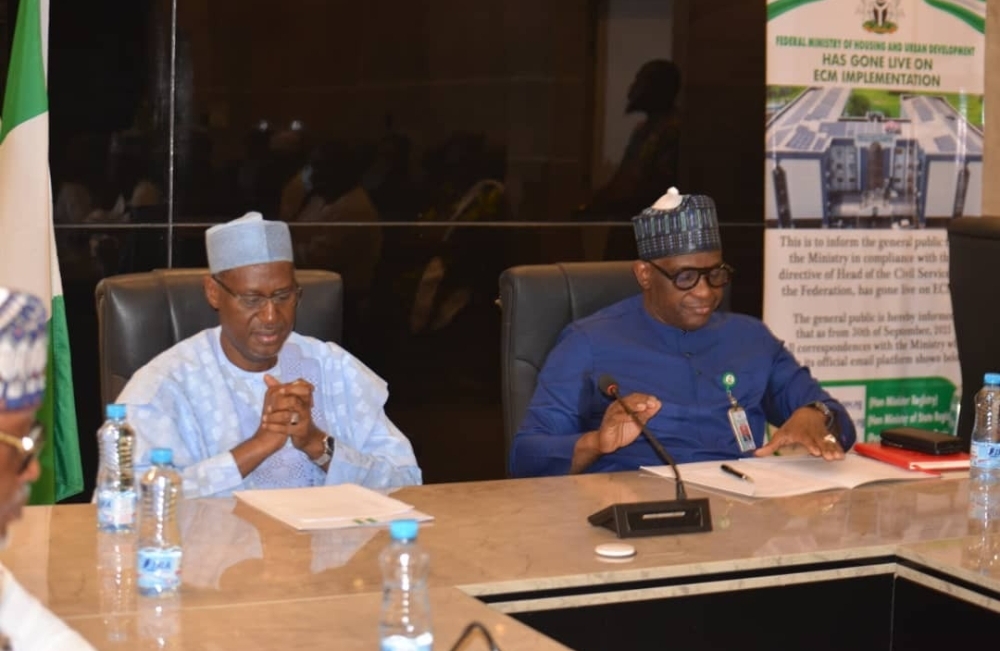
FMHUD 2025 STAFF AWARDS & RECOGNITION CEREMONY, MONDAY, MARCH 30, 2026
FMHUD 2025 STAFF AWARDS & RECOGNITION CEREMONY, Monday, March 30, 2026
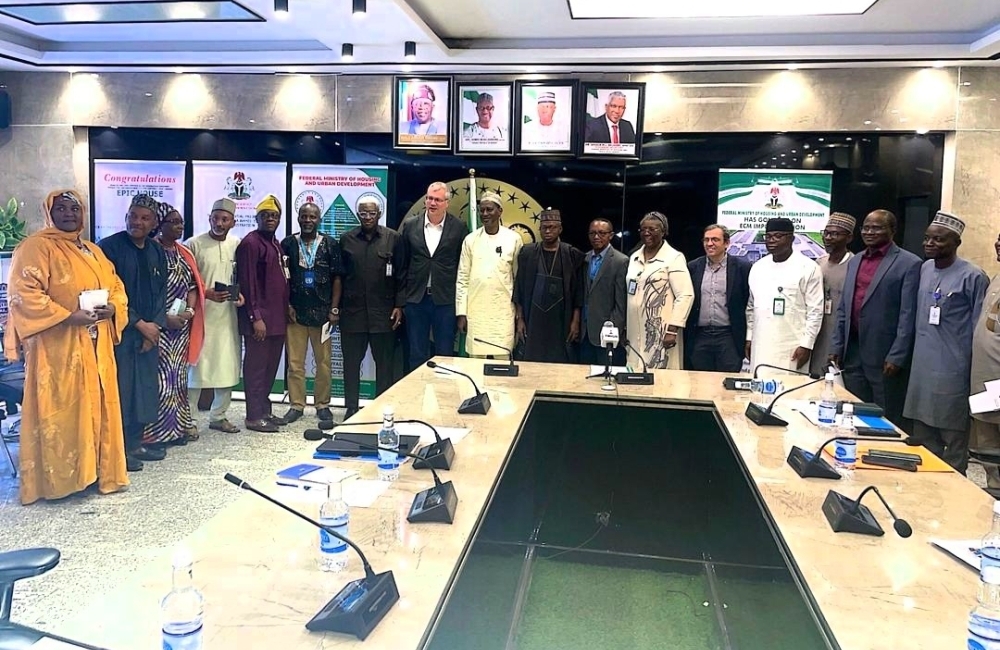
MEETING OF THE HON MINISTER, FMHUD AND HEAD OF UN HABITAT, WEST AFRICA HUB, DAKAR, MR MATHIAS, SPALIVIERO, WEDNESDAY, 25TH FEBRUARY, 2025
Meeting of the Hon Minister, FMHUD and Head of UN Habitat, West Africa Hub, Dakar, Mr Mathias, Spaliviero, Wednesday, 25th February, 2025