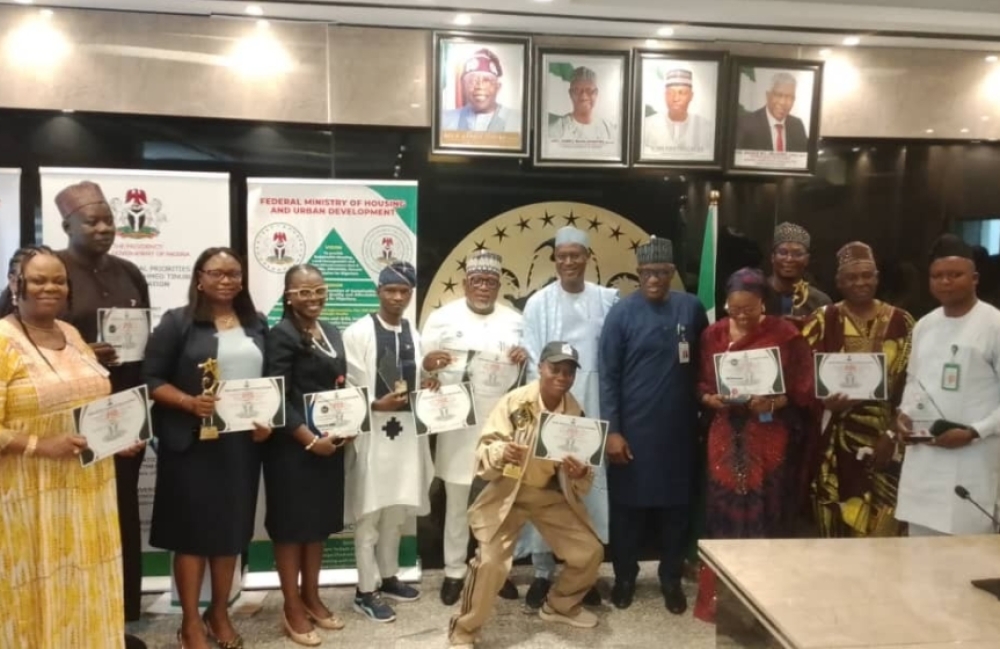
Housing Ministry Honours Outstanding Staff at 2025 Ministerial Awards Ceremony
The Federal Ministry of Housing and Urban Development has held its 2025 Ministerial Rewards and Recognition Award Ceremony, reaffirming its commitment to promoting excellence, integrity, and outstanding service delivery within the Civil Service.
The colourful ceremony, which took place at the Ministry’s Headquarters in Abuja, brought together top management staff, directors, and employees to celebrate eleven exceptional officers whose dedication, professionalism, and performance distinguished them among their peers.
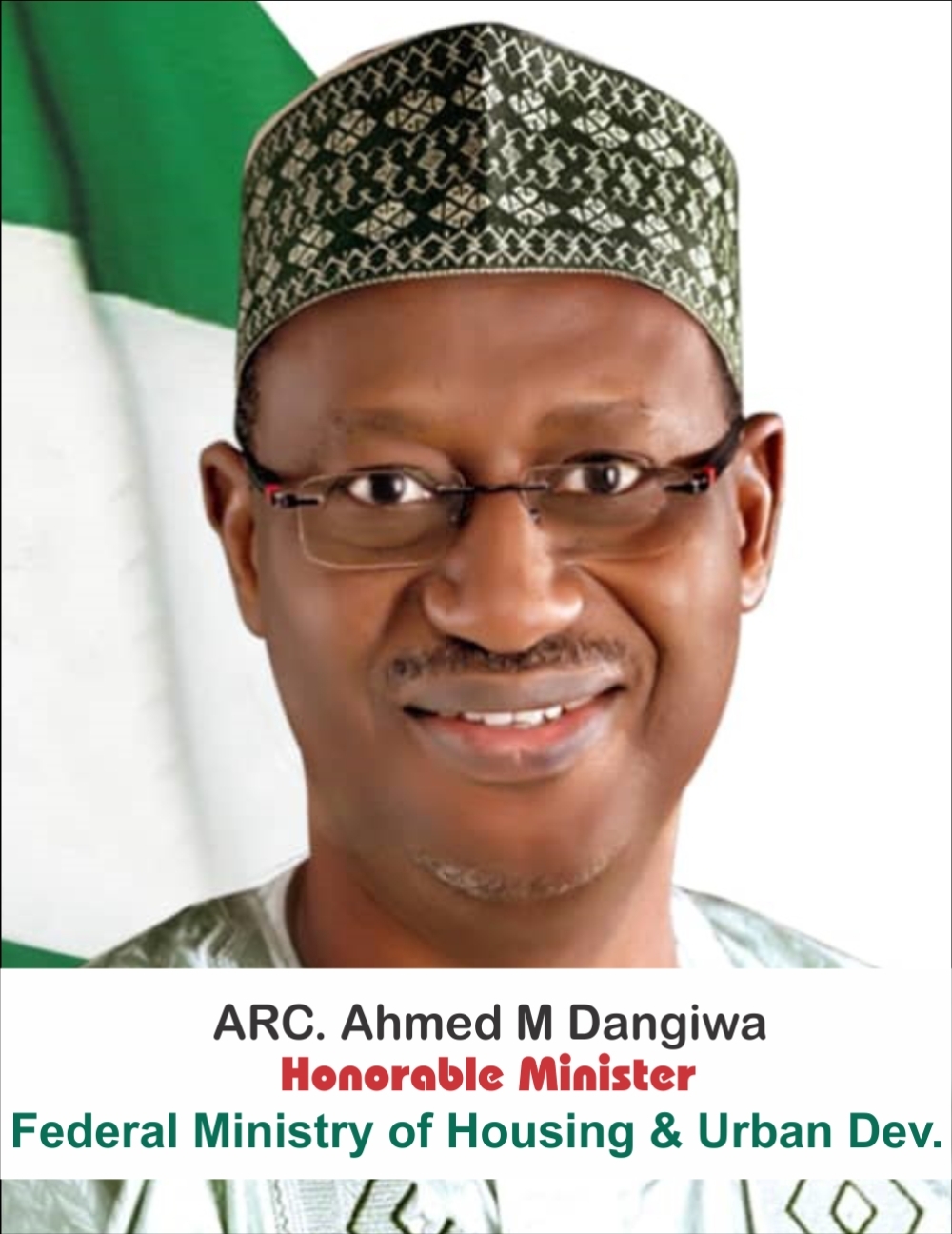
The Honourable Minister of Housing and Urban Development, Arc. Ahmed Musa Dangiwa, stated that the initiative aligns with the directive of the Head of the Civil Service of the Federation to institutionalize a culture of merit-based recognition, productivity, and excellence across Ministries, Departments, and Agencies.
The Minister expressed deep appreciation to the Award Selection Committee for their diligence and transparency in the screening process, noting that their efforts ensured that only truly deserving staff were honoured.
“This occasion is one of the proud moments for the Ministry. I am particularly pleased with the spread of award categories and the quality of awardees selected from across various departments,” he said.
Arc. Dangiwa further emphasized the importance of mentorship in the service, urging Directors and senior officers to deliberately groom and guide younger officers before exiting the system. According to him, sustained mentorship is critical to preserving institutional knowledge and strengthening the future of the Civil Service.
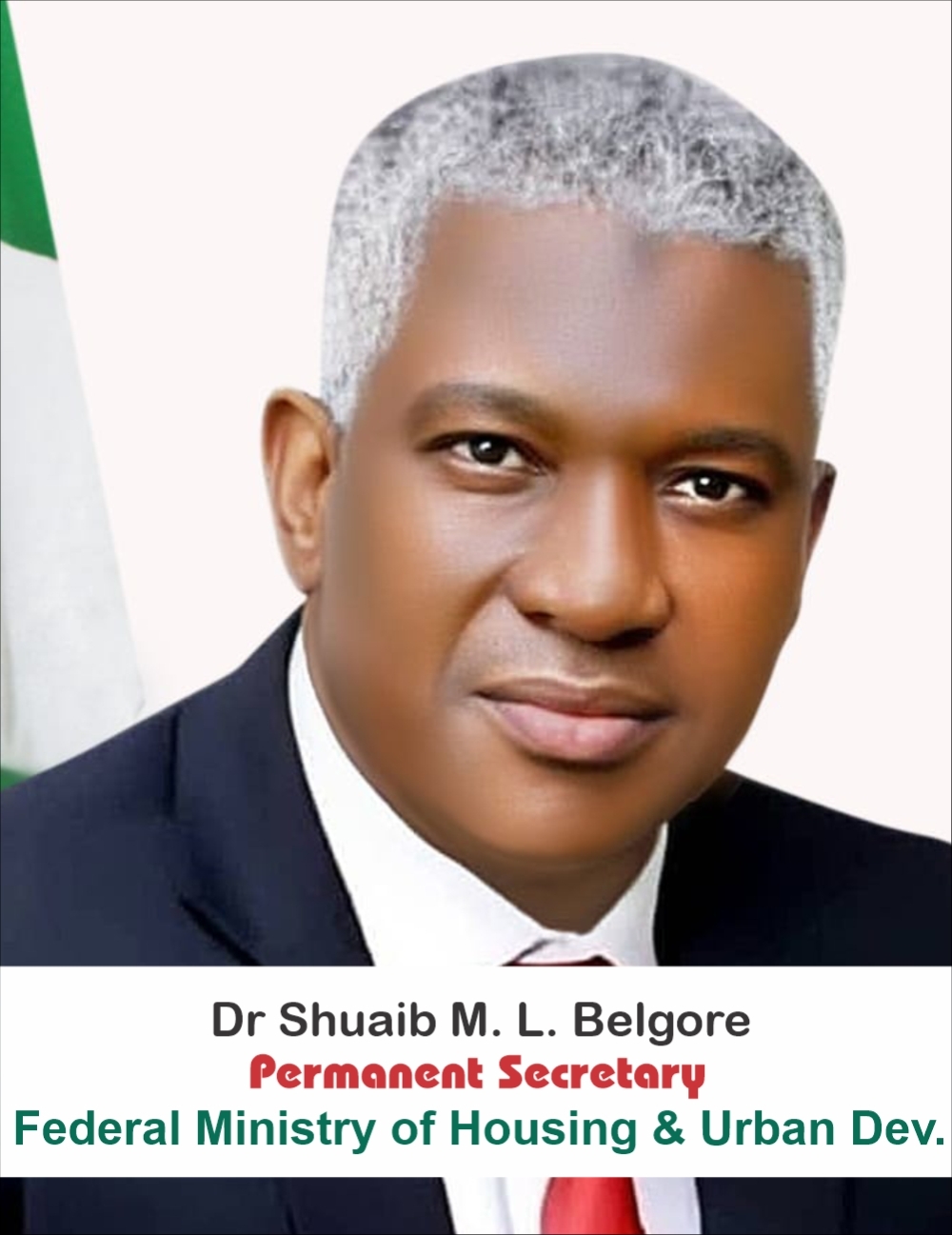
In his opening remarks, the Permanent Secretary, Dr. Shuaib Belgore, described the awards ceremony as a strategic initiative to motivate staff, encourage healthy competition, and reinforce a culture of excellence and accountability.
He noted that the Ministry’s performance at previous national Civil Service Awards, where some staff emerged winners, has further inspired the drive to achieve greater recognition at the national level.
“Our goal this year is not only to participate but to excel by winning multiple awards, including the overall best in the Civil Service category, which comes with significant incentives such as houses, vehicles, and computers,” he stated.
Dr. Belgore explained that while many officers are deserving of recognition, the awardees represent the peak of performance, having emerged through a rigorous and merit-driven selection process. He added that the Ministry has institutionalized a robust recognition system, including monthly staff awards and departmental “Staff of the Month” displays, culminating in the selection of overall best performers.
“Those honoured today have demonstrated consistent excellence and have earned their recognition through hard work and commitment to duty,” he added.
Earlier in his welcome address, the Director of the Special Projects Unit, Mr. Olatunde Ajayi, described the ceremony as a platform to celebrate excellence and inspire others to strive for higher standards of service delivery.
He assured that the selection process adopted by the Ministerial Awards Selection Committee was thorough, transparent, and strictly guided by Federal Public Service policies and guidelines. According to him, the criteria focused on measurable performance, accountability, commitment to service delivery, and continuous improvement.
The 2025 Ministerial Rewards and Recognition Award Ceremony underscores the Ministry’s unwavering commitment to building a motivated workforce driven by excellence, professionalism, and dedication to national development.

The Federal Ministry of Housing and Urban Development has held its 2025 Ministerial Rewards and Recognition Award Ceremony, reaffirming its commitment to promoting excellence, integrity, and outstanding service delivery within the Civil Service. The colourful ceremony, which took place at the Ministry’s Headquarters in Abuja, brought together top management staff, directors, and employees to celebrate eleven exceptional officers whose dedication, professionalism, and performance distinguished them among their peers. The Honourable Minister of Housing and Urban Development, Arc. Ahmed Musa Dangiwa, stated that the initiative aligns with the directive of the Head of the Civil Service of the Federation to institutionalize a culture of merit-based recognition, productivity, and excellence across Ministries, Departments, and Agencies. The Minister expressed deep appreciation to the Award Selection Committee for their diligence and transparency in the screening process, noting that their efforts ensured that only truly deserving staff were honoured. “This occasion is one of the proud moments for the Ministry. I am particularly pleased with the spread of award categories and the quality of awardees selected from across various departments,” he said. Arc. Dangiwa further emphasized the importance of mentorship in the service, urging Directors and senior officers to deliberately groom and guide younger officers before exiting the system. According to him, sustained mentorship is critical to preserving institutional knowledge and strengthening the future of the Civil Service. In his opening remarks, the Permanent Secretary, Dr. Shuaib Belgore, described the awards ceremony as a strategic initiative to motivate staff, encourage healthy competition, and reinforce a culture of excellence and accountability. He noted that the Ministry’s performance at previous national Civil Service Awards, where some staff emerged winners, has further inspired the drive to achieve greater recognition at the national level. “Our goal this year is not only to participate but to excel by winning multiple awards, including the overall best in the Civil Service category, which comes with significant incentives such as houses, vehicles, and computers,” he stated. Dr. Belgore explained that while many officers are deserving of recognition, the awardees represent the peak of performance, having emerged through a rigorous and merit-driven selection process. He added that the Ministry has institutionalized a robust recognition system, including monthly staff awards and departmental “Staff of the Month” displays, culminating in the selection of overall best performers. “Those honoured today have demonstrated consistent excellence and have earned their recognition through hard work and commitment to duty,” he added. Earlier in his welcome address, the Director of the Special Projects Unit, Mr. Olatunde Ajayi, described the ceremony as a platform to celebrate excellence and inspire others to strive for higher standards of service delivery. He assured that the selection process adopted by the Ministerial Awards Selection Committee was thorough, transparent, and strictly guided by Federal Public Service policies and guidelines. According to him, the criteria focused on measurable performance, accountability, commitment to service delivery, and continuous improvement. The 2025 Ministerial Rewards and Recognition Award Ceremony underscores the Ministry’s unwavering commitment to building a motivated workforce driven by excellence, professionalism, and dedication to national development.
Housing Ministry Honours Outstanding Staff at 2025 Ministerial Awards Ceremony
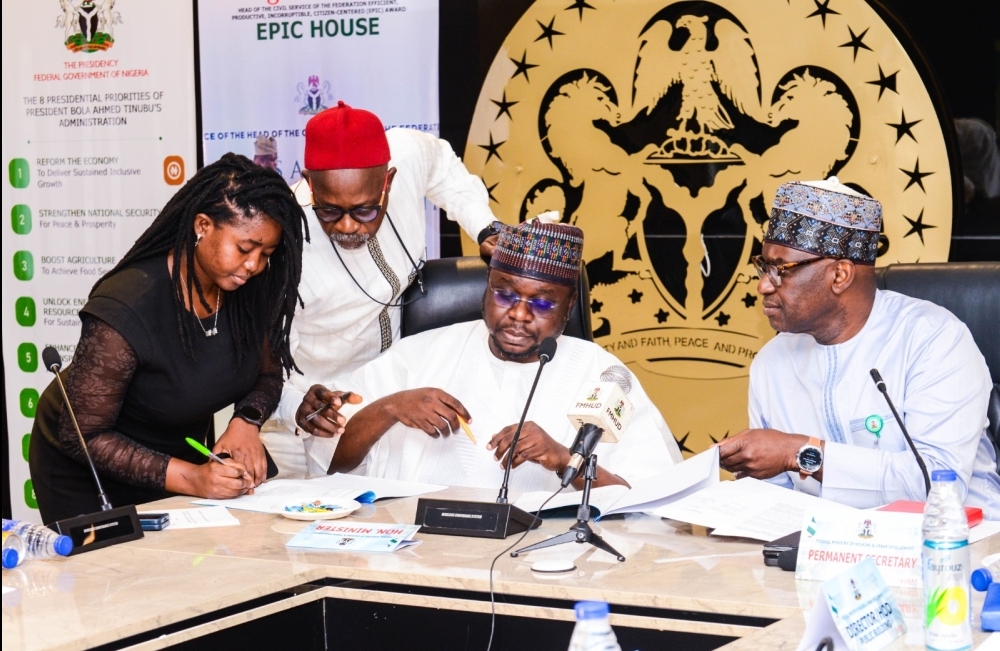
Housing Ministry, Polaris Capital, Sign MoU On Artisans Skills Acquisition The Federal Ministry of Housing and Urban Development and Polaris Capital Limited has today September 2nd, 2025, formalized a strategic partnership with the signing of a Memorandum of Understanding (MoU), to kick-start the National Artisan Skills Acquisition Programme (NASAP). NASAP is a nationwide intervention programme designed to train, certify, and digitally connect 100,000 artisans in priority construction trades to job opportunities across Nigeria. Speaking at the signing ceremony, the Permanent Secretary Dr. Shuaib Belgore, informed that the Ministry, under the Renewed Hope Agenda of President Bola Ahmed Tinubu, GCFR, is set to embark on the transformative initiative to bridge the nation's artisan skills gap and modernize the construction workforce. “Today's signing of the Memorandum of Understanding (MoU) with Polaris Capital Limited marks a milestone in the launch of the National Artisan Skills Acquisition Programme (NASAP)”, he remarked. He outlined some of the objectives of the programme to include strengthening the technical capacity in the housing and construction sector, creating sustainable employment pathways for Nigerian youth and artisans. Other objectives according to the Permanent Secretary include promoting inclusivity by ensuring participation of women, youth, and persons with disabilities; as well as leveraging technology through a national booking and verification system for artisans. He explained that the initiative is structured around a three-year programme with funding from federal budget allocations, private sector participation, and donor contributions, adding that the digital platform would generate revenue to ensure sustainability of the programme beyond the MoU period. Dr. Belgore further expressed joy in the partnership which is aimed at delivering affordable housing for Nigerians across the country. On their part, the CEO of the Polaris Capital Limited, Kelvin Vihishima, described the signing of the MoU as a positive initiative aimed at reducing the skills gap in the Nigerian economy. He noted that skills is the bedrock and corner stone of every economy, saying that the initiative would reduce unemployment and make skills available at the national level. He informed that the scope of the MoU is to train, certify and onboard the artisans, reducing quackery, and reforming the housing industry. Vihishima further appreciated the Ministry for taking the noble initiative and appreciating the expertise of its delivery. In his introductory remarks, the Director, Federal Public Asset Maintenance (FPAM) Department, Arc. Ibechile Egwudale said that the signing of the MoU underscores the Ministry's commitment to skills development, job creation, and sustainable urban growth, anchored on accountability, inclusivity and long-term economic impact. Highlight of the event was the signing of the Memorandum of Understanding by the Permanent Secretary on behalf of the Ministry, and Polaris Capital Limited. ...
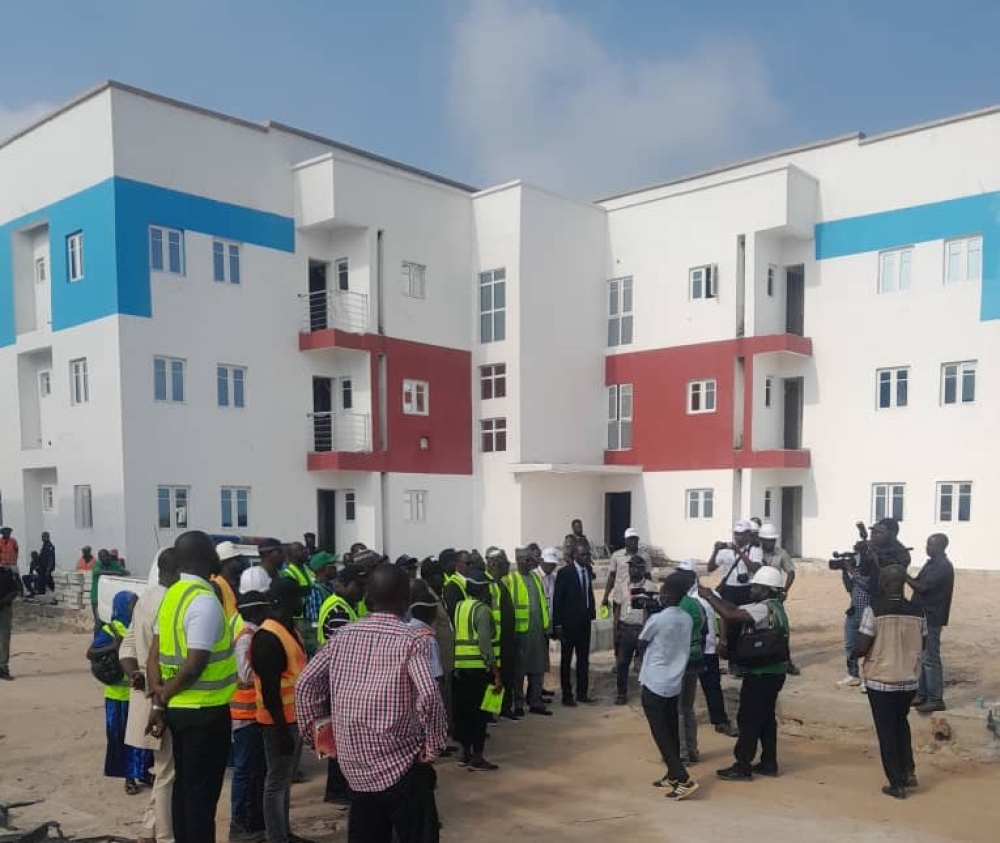
Lagos Renewed Hope City 80 Per cent Completed, Sets for Presidential Inauguration * Ministry Plans Building Materials Manufacturing Hub in Lekki Free Trade Zone, Lagos The ongoing construction of 2000 housing units Renewed Hope City at Ibeju Lekki, Lagos has reached 80 per cent completion and will be ready for Presidential inauguration soon. This was disclosed by Housing and Urban Development Minister, Arc. Ahmed Musa Dangiwa during an inspection visit to the site, Thursday August 28th, 2025. Dangiwa stated "the Ibeju Lekki Renewed Hope City project is 80 per cent completed, with over 700 housing units under phase one ready, for commissioning". The Minister said the administration of President Bola Tinubu, GCFR is currently building seven Renewed Hope Cities, one in each geo- political zone and Abuja, FCT. According to Dangiwa, the foundation laying for the second phase of the Lagos Renewed Hope City houses will be done by Mr. President after the commissioning of the 700 units of the first phase. “The Lagos Renewed Hope City, when fully completed, would deliver 2,000 housing units. The project underscores the commitment of President Bola Ahmed Tinubu to bridging housing deficit in Nigeria”, he said. The Renewed Hope Cities and Estates initiative nationwide is aimed at providing decent and affordable housing for Nigerians. As part of his Lagos tour activities, the Minister visited Lekki Economic Trade zone and was conducted round by the Managing Director, Lekki Worldwide Investments Ltd Adeniyi Akinlusi. Dangiwa inspected various housing projects, industries, building materials, testing laboratories, the deep sea port, Alaro City, Lagos Coastal City, and other ongoing developments. He commended Lekki Worldwide Investments for providing a strategic site for the Federal Government Building Materials Manufacturing Hub within the Lekki Free Trade Zone. He explained that the ministry plans to establish six Building Manufacturing Hubs, one in each geo-political zones, aimed at reducing housing production costs through facilitation of production of local building materials. He disclosed that an investor has already been secured for the manufacturing hub project, which will cut Nigeria’s housing deficit by boosting local building materials production. "The hub will promote local content, curb rising costs of materials, encourage domestic production, and ensure sustainable housing delivery nationwide", he disclosed. Dangiwa said the intermodal transport infrastructure in Lekki, including a seaport, airport, rail and roads, will support the effectiveness of the hubs, adding that the infrastructure attracts real estate investments, as housing is required to support these developments. Earlier, the MD/CEO Lekki Worldwide Investments Ltd, Adeniyi Akinlusi briefed the Minister on projects, noting that the free zone was designed to stimulate growth, reduce imports, attract investment, create jobs and boost housing. At the Renewed Hope City site, the Executive Director, Loans and Mortgage Services, Federal Mortgage Bank of Nigeria (FMBN), Dr. Muhammad Abdul, said the Ibeju Lekki houses are designed to be affordable and accessible to workers and cooperative societies, with the bank providing the lowest interest rates in the market. During the inspection of Alaro City, in the Lekki zone, the Minister commended the management’s sustainable building efforts, saying it aligns with the government’s plan to close Nigeria’s housing gap ...
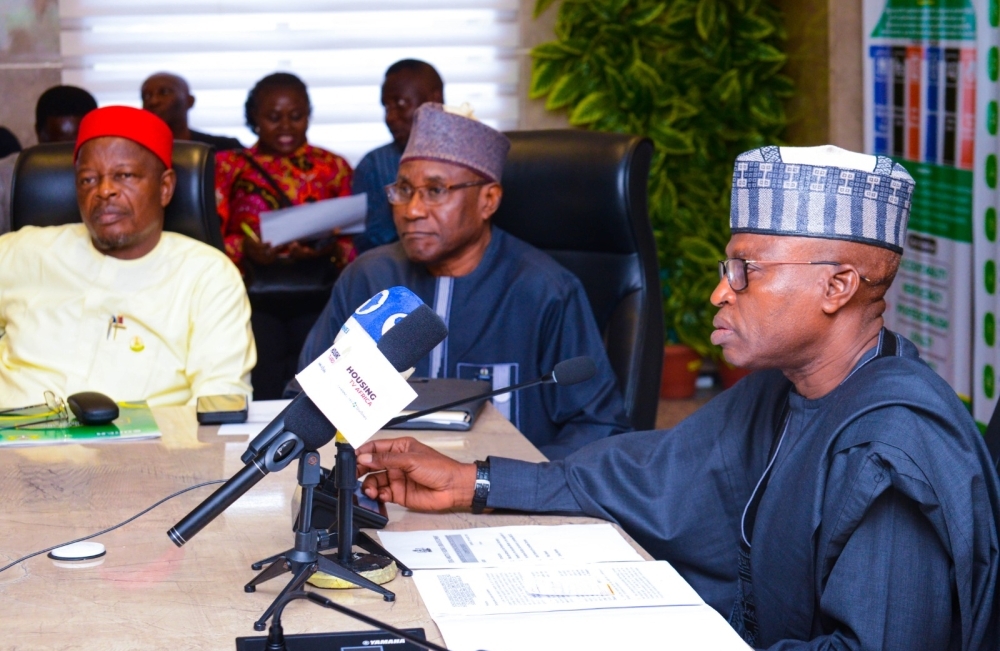
Ata Inaugurates Building Code Advisory Committee, Assures Nigerians of Safe Buildings * Says Building Code, a crucial regulatory instrument in housing construction. Minister of State for Housing and Urban Development, Rt. Hon. Yusuf Abdullahi Attah has inaugurated a twenty one member committee on National Building Code Advisory, Thursday August 28th, 2025. The Reconstituted Committee comprises; duly registered professionals, representatives of key institutions, relevant Non-Governmental Organizations, as well as one state representative per geopolitical zones of the country. In his address, Hon Ata described l the inauguration as a collective resolve to reposition the Nigerian building and construction industry on a foundation of standards, regulations, and professionalism. “ By inaugurating this Committee, we are demonstrating our determination to ensure that every Nigerian home, office, school, hospital, and place of assembly is built to specifications that guarantee safety, durability, and sustainability”, he added. He highlighted the National Building Code as a crucial regulatory instrument that sets minimum standards for pre-design, design, construction, and maintenance stages, ensuring quality, safety, and proficiency in the building industry. Giving a historical context to the journey of building code in Nigeria, the Minister informed that the first attempt was initiated in 1987 by the Federal National Council of Works and Housing, with subsequent attempts made in 1989 and 1990, then draft presented at the second National Council on Housing and Urban Development in 2005. He stated that the code was officially signed into law in 2006 by President Olusegun Obasanjo, but has recorded slow progress due to challenges in ratification, enforcement, and compliance. The Minister further informed that first National Building Code Advisory Committee was inaugurated in 2018, but was not reconstructed after its three-year term expired. He noted that the national building code was initiated by the National Council on Housing and Urban Development to address issues such as absence of town and city planning, incessant building collapses, use of non-professionals, lack of maintenance culture, among others. On the Committee’s responsibility and enforcement, Hon. Attah said they would be responsible for periodic reviews of the code, and accountable to the Honourable Minister, adding that the code establishes enforcement divisions and units at federal, state, and local government levels, staffed by registered professionals, who are charged with implementing its provisions. Accordingly, he outlined the functions of the committee in line with section 3 of the Code to include; periodic review of the National Building Code, recommending technical subcommittees, and guiding specialized technical sub-committees. Informing that the committee will meet at least twice a year, with all meetings subject to the approval of the Minister, the Honorable Minister instructed that the committee would provide quarterly reports detailing progress, challenges, and recommendations to the ministry, as well as ensure that their work leads to visible results. “This is a serious national assignment and it must be treated as such. It cannot and must not be business as usual. Nigerians expect results. The Ministry expects results”, he warned. Hon. Attah charged members of this Committee to bring their professional competence, integrity, and patriotic commitment to bear, in discharging their responsibilities; “The safety of our citizens, the durability of our infrastructure, and the resilience of our cities depend on the work you do here”, he stated. He further communicated the commitment of the government to delivering safe, decent, and affordable housing, resilient infrastructure, and sustainable urban development, expressing optimism that enforcement of the Building Code, would create jobs, protect lives, secure property, and ensure that cities grow in harmony with safety, accessibility, and environmental sustainability. Earlier in his welcome address, the Permanent Secretary, Dr. Shuaib Belgore, represented by the Director Public Buildings, Qs Pemi Temitope, emphasized on the importance of the code to provide a unifying framework that sets minimum standards for design, construction and maintenance of building across the country. He said the inauguration is a demonstration of the unwavering commitment of the Honourable Minister, Arc. Ahmed Musa Dangiwa in ensuring that the ministry’s mandate of providing affordable shelter to Nigerians is pursued, without compromising safety, quality and sustainability. Dr. Belgore further stated that the reconstitution of the committee was therefore a deliberate step to guarantee that every housing intervention is guided by modern standards that protect lives, preserve value, and promote resilience within our built environment. Speaking on behalf of the committee, the Chairman of the NBCAC Committee Arc. Mohammed Faworaja assured the Minister that the committee would carry out their responsibilities with diligence and professionalism, adhering to all requirements. On domestication of the code in states, he said the committee will look into the National Standards and encourage states to domesticate using their peculiar situations. ...
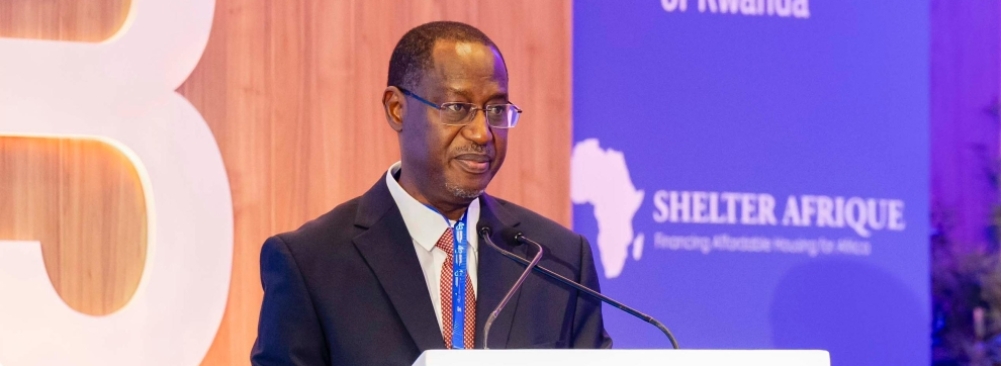
Opening Remarks by The Hon. Minister of Housing and Urban Development, Arc. Ahmed Musa Dangiwa At The Ministerial Roundtable Themed: Innovative Financing For Housing Affordability At The SHAFDB AGM Holding At The Marriott Hotel On Wednesday June 12th In Kigali, Rwanda
Protocols
1. Good morning, Ladies and Gentlemen.
2. I would like to begin by thanking the Hon. Minister of Finance and Economic Planning for the Republic of Rwanda, Hon. Dr. Uzziel, for her welcoming remarks.
3. As you are already aware, Africa faces a large and growing housing deficit. This is alongside a disturbing housing affordability crisis affecting over 80% of our populations. The causes are evident: low incomes, a challenging macroeconomic environment, and rising living costs due to high inflationary trends.
4. These factors make it increasingly difficult for our citizens to afford decent and quality housing. With each passing year, the affordability bar keeps getting higher. Many households that could afford housing a year ago can no longer do so because of rising cost of building material costs and static incomes.
5. I am worried about this because I believe that for us to make impact, we must find ways to design, build and facilitate delivery of affordable houses targeting the 80% of the low and medium-income percentile of our population.
6. As you may be aware, before my appointment as Minister of Housing and Urban Development, I was the Managing Director of Federal Mortgage Bank of Nigeria (FMBN). During my term, we designed and financed affordable houses, including 1, 2, and 3-bedroom bungalows priced at 4, 6, and 8 million Naira respectively. When I became the Minister of Housing, the first thing I did was to set up a Technical Committee on Affordable housing design comprising Architects and built environment professionals at the Ministry. I tasked them to produce a workable organic design targetting those prices. They did a good job. However, with a 300% increase in building material costs, achieving these price points is now impossible. Now the 1, 2, and 3 bedrooms now cost an average of N8M, N12M and N16M! Meanwhile inflation has sucked out the purchasing power of potential homeowners, making the situation worse.
7. This is a serious crisis to housing delivery for us in Nigeria and governments across Africa. For us to move forward and move the needle, we must have a shift in thinking and approach. We must develop a multi-dimensional strategy to solving it. While we encourage governments to drive policies to fix larger macroeconomic issues, we must also encourage innovative financing strategies to meet immediate needs. This involves creating financing frameworks to enhance individuals' capacity to own homes and lower the cost of finance required to increase supply. Striking this balance is crucial, and it is the question we need to address during this session.
8. It is against this background that the theme of this Ministerial Roundtable—INNOVATIVE FINANCING FOR HOUSING AFFORDABILITY—is critical.
9. In Nigeria, we are using a blend of innovative initiatives to lower the affordability ladder. Firstly, we leverage interest-free budgetary allocations for housing, engage sub-national governments who are custodians of land to provide land free-of charge – as part of their service to their service - to deliver subsidized housing units without incorporating infrastructure. So citizens pay only for the cost of the units built not the infrastructure or land. This collaborative stakeholdger approach absorbs the cost of land, infrastructure and lowers the cost of housing units by as much as 40%.
10. Additionally, we incorporate organic designs to further reduce the cost of entry for first time homeowners. For example, our houses are designed in such a way that a 1-bedroom house can grow into 2 and 3 bedrooms as the homeowner's income and family size increase.
11. We have also embraced public-private partnerships (PPP) innovatively. Under PPP, we as government create an enabling environment for reputable developers to secure land and financing to build affordable homes while facilitating bankable offtaker guarantees from government owned housing institutions. Using cross subsidy, 20-30 percent of the housing units built under the PPP are dedicated and made available at subsidized rates to off-takers. For example, under our Renewed Hope Cities and Estates Programme, we signed an MoU with a Consortium of developers to deliver a 100,000 housing units under PPP comprising 1, 2, and 3 bedrooms. Using cross susidy, 20-30% of the units in each location are to be sold to beneficiaries at subsidized rates, while the remaining are offered at commercial rates to enable the developers recoup their investments at a profit. We have also emphasized offtake options including 30-year mortgage loans at 7% interest rates, rent to own options and outright purchase.
12. We are also working with the Ministry of Finance and a host of other agencies within the housing space including Family Homes Funds Limited, Ministry of Finance Incorporated, the Nigeria Mortgage Refinance Company and the Pension Funds to create a Real Estate Investment Trust. The aim of the Trust is to create a N1Trillion Naira concessional financing window for private sector developers to enable them get low cost funds that would lead to the large scale delivery of houses to Nigerians. The target is to also leverage Pension funds to provide single digit mortgage loans to beneficiaries at a scale that is larger than what we are currently doing using the Federal Mortgage Bank of Nigeria (FMBN).
13. What is clear for us in Nigeria and I believe for most of us, is that we must innovate. We must think differently. We must chalenge the status quo and also get our partners to factor our peculiarities in their financing models.
14. Traditional financing models have served us to a point. To bridge the housing deficit, we must explore and embrace new financial instruments and mechanisms tailored to our unique contexts. Microfinance, mortgage-backed securities, public-private partnerships, and digital financial services offer promising avenues. Microfinance can empower low-income families with small, manageable loans for home improvements. Mortgage-backed securities can unlock capital markets, injecting liquidity into the housing sector. Public-private partnerships can combine public oversight with private sector efficiency. Digital financial services can expand access to credit, savings, and insurance, particularly in underserved communities.
15. However, it is also important to say that financial innovation alone is not enough. It must be accompanied by robust policy frameworks, effective regulatory environments, and transparent governance. Our goal should be to create a housing finance ecosystem that leaves no one behind.
16. On a continental scale, I am optimistic about the potential of private sector led innovative solutions such as the Shelter Afrique Housing Solutions Fund are key in catalyzing investments in the affordable housing industry. The Housing Solution Fund is a 100 billion Naira local currency real estate investment trust authorized and registered by the Securities & Exchange Commission of Nigeria. The initiative was conceptualized alongside its development partners, with Shelter Afrique a key partner, to provide innovative market-based solution to stimulate housing demand and sustainably scale housing supply; By investing in affordable and accessible long-dated home loans offered to eligible homebuyers in partnership with participating lending institutions and pre-qualified housing developers. Further details on the fund will be presented later in this roundtable.
17. Engaging all stakeholders is imperative. Governments, financial institutions, developers, community organizations, and international partners must work together. We must foster an environment where ideas can be exchanged freely, best practices shared, and every stakeholder committed to the common goal of housing affordability.
18. As we deliberate, I urge us all to think boldly and act decisively. Let us challenge conventional wisdom, explore uncharted territories, and forge new pathways to make affordable housing a reality for all Africans. Our discussions here will shape the future of housing on our continent, and it is our responsibility to ensure that this future is one of hope, opportunity, and prosperity.
Thank you.
Arc. Ahmed Musa Dangiwa
Hon. Minister of Housing and Urban Development
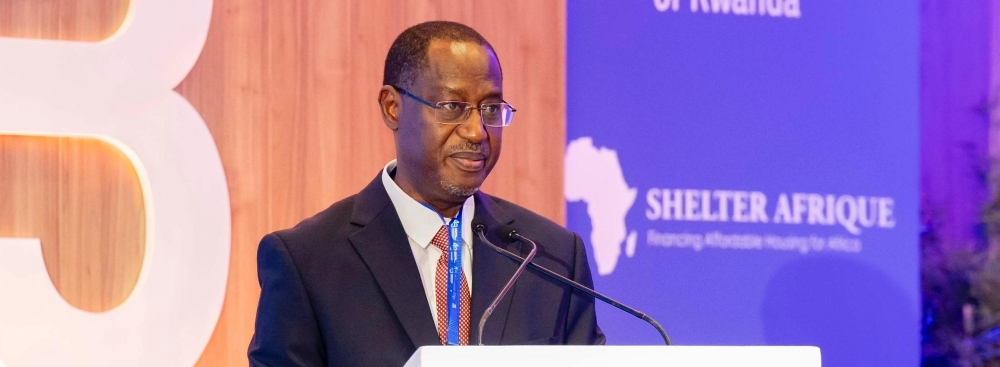
Opening Remarks by The Hon. Minister of Housing and Urban Development, Arc. Ahmed Musa Dangiwa, Outgoing Bureau Chair of The 42nd AGM, at The 43rd Annual General Meeting of Shelter Afrique Development Bank (SHAFDB) on Tuesday 11th June 2024 Holding At The Marriott Hotel In Kigali, Rwanda
Protocols:
Esteemed Guests, Honored Delegates, and Colleagues, all protocols observed,
1. It is my great pleasure to welcome you all to the Shelter Afrique Development Bank’s 43rd Annual General Meeting holding here in Kigali, the Capital of Rwanda.
2. I am especially delighted to finally see so many of you, for the first time in person. Your presence here today and in the coming days demonstrates a commitment to the growth of this bank.
3. ShafDB is Africa’s housing finance bank, the only such institution that we have. It is therefore important that we all continue to give the bank all the support that it requires to grow, scale in impact and deliver on its mandate. Particularly, this support, I believe, is critical to our efforts as Ministers of Housing to leverage private sector finance towards providing affordable, decent and quality housing to our people across Africa.
4. Before I go on, I would like to on behalf of the 42nd AGM Bureau and the Management of ShafDB, sincerely thank the President of the Republic of Rwanda, His Excellency, Paul Kagame, and the Government of Rwanda for agreeing to host this 43rd AGM. The beauty, neatness and orderliness of Kigali and its hospitality is simply breathtaking.
5. I would also like to extend my profound gratitude to the ShafDB Board of Directors under the leadership of Dr. Chii Akporji for their support throughout my tenure as Chairperson of the 42nd AGM Bureau. With their support, we were able to accomplish great milestones and guide the bank towards a path of clarity and reform.
6. I must also acknowledge the exceptional efforts, drive and dynamism of our Managing Director, Thierno Habib Hann. Over the course of my time as AGM Bureau Chair, I have seen Mr. Hann demonstrate an untiring dedication, innovation and leadership that I believe is necessary to achieving the goals of a transformed ShafDB.
7. I want to acknowledge and commend the contributions of ShafDB management and staff. Their collective efforts contributed significantly to the successful transition from Shelter Afrique to Shelter Afrique Development Bank. To all of you, I extend my deepest appreciation.
8. I am pleased to inform you that during the Extraordinary General Assembly in Algiers, member States overwhelmingly supported the ratification of our new statutes. This consensus is a significant milestone in our journey to establish the Shelter Afrique Development Bank. Our discussions went beyond words. We recorded concrete measures to expedite the ratification process. It is important that we foster transparent dialogue about our current state and identify additional steps to enhance our progress.
9. Although we anticipated completing the ratification process within a few months, we find ourselves still awaiting full ratification. As of yesterday, only a few countries had ratified the Statutes. This situation poses challenges that we must quickly address.
10. Building robust alliances is essential for our success. I thank all member States for their financial contributions and support. I am proud to report that our Bank recorded a profit last year, a feat that was once considered impossible.
11. Looking ahead, it is important that we sustain and maintain a momentum of growth. I am optimistic and anticipate that the new Chair of 43rd AGM Bureau, Hon. Dr. Jimmy Gasore, possesses the capacity to effectively guide this revitalization process.
12. Our financial report highlights our unique assets, which position us for global success. The key question is how we can best leverage these resources to benefit our member States. On this too, I am confident that the new leadership will provide the management with the support they require to maximize impact.
13. During the course of the AGM, we plan to launch a Financial Caucus of African Ministers of Housing and Urban Development. I believe that this platform will help us create synergy, tap from our collective and unique strengths to fashion out innovative ways and measures to bolster housing development in our respective countries.
14. Like I said at the EGM in Algiers, the African housing problem is for Africa to solve. And we as Ministers of Housing must recognize that we are the ones responsible to providing the solutions and driving the process towards fixing Africa’s housing challenge. What this means is that we must work together. We must share experiences, challenges, lessons and solutions. We must combine efforts in our engagements with external stakeholders and maximize our engagements. We must seek to tap the immense benefits that come from working as a unified group towards solving the African housing problem. Working in silos is no longer an option. This is because as Africans, we are one. We have a common continent; we have a common destiny, and our progress or backwardness reflects on us all.
15. At the end of this AGM, we also plan to have a Kigali Declaration to signify and communicate our collective desire to Prioritize housing development and commit to taking concrete steps towards making a substantial difference. The Kigali Declaration aims to unify our voices to achieve common goals and tackle shared challenges. It seeks to highlight to the global community the urgent need for coordinated action on climate change, emphasizing its impact on Africa.
16. It is important to state that the Kigali Declaration will not just be words on paper. We have ensured that it is based on a well-prepared roadmap for "How to Finance and Deliver," leveraging the professional expertise around Shelter Afrique Development Bank. Our aim is to make a difference. Our aim is to create impact and build a new and more progressive narrative that delivers concrete results in terms of homes for our people, jobs and economic empowerment. And this, I believe is possible.
17. Importantly, with the existential threat of climate change, the housing industry serves a key lever to achieve the climate ambition and sustainability targets of the region.
18. As we deliberate during this AGM, I implore us to always strive for compromise and ensuring a commitment to upholding the laws and statutes that hold us together. As a big organization with shareholding of over 44 independent and sovereign countries, we must all commit to staying within the boundaries of what the laws state.
19. Before I conclude, I want to express my gratitude to all those who continue to participate in our collaborative efforts, despite occasional disagreements about our direction. Your commitment strengthens us and propels us forward.
20. Our achievements over the past year underscore the importance of strategic planning and building strong connections. Perseverance through challenges and setbacks is crucial. This year, we have reached several objectives we can be proud of.
21. Despite our successes, we must remain vigilant and not rest on our laurels. New and existing challenges will continue to emerge. It is vital to sustain our current relationships and cultivate new ones.
22. Regardless of the decisions we make, I am confident that we will make them together, as a united body.
Thank you.
Honorable Minister Arch. Ahmed Dangiwa

Housing Ministry, Shelter Advisory Convene Summit on Renewed Hope Housing PPP

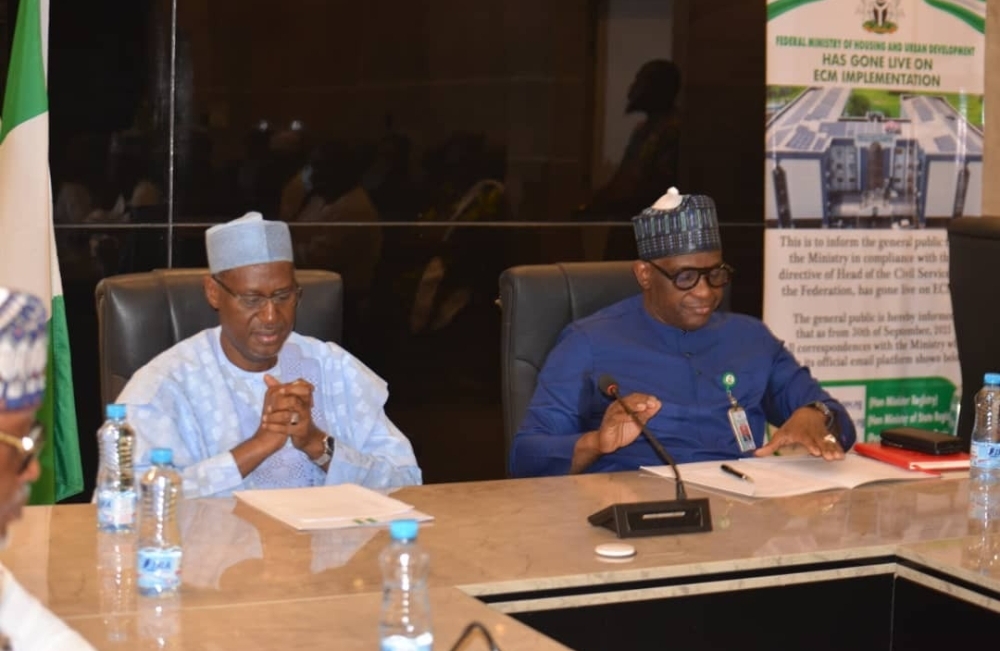
FMHUD 2025 STAFF AWARDS & RECOGNITION CEREMONY, MONDAY, MARCH 30, 2026
FMHUD 2025 STAFF AWARDS & RECOGNITION CEREMONY, Monday, March 30, 2026
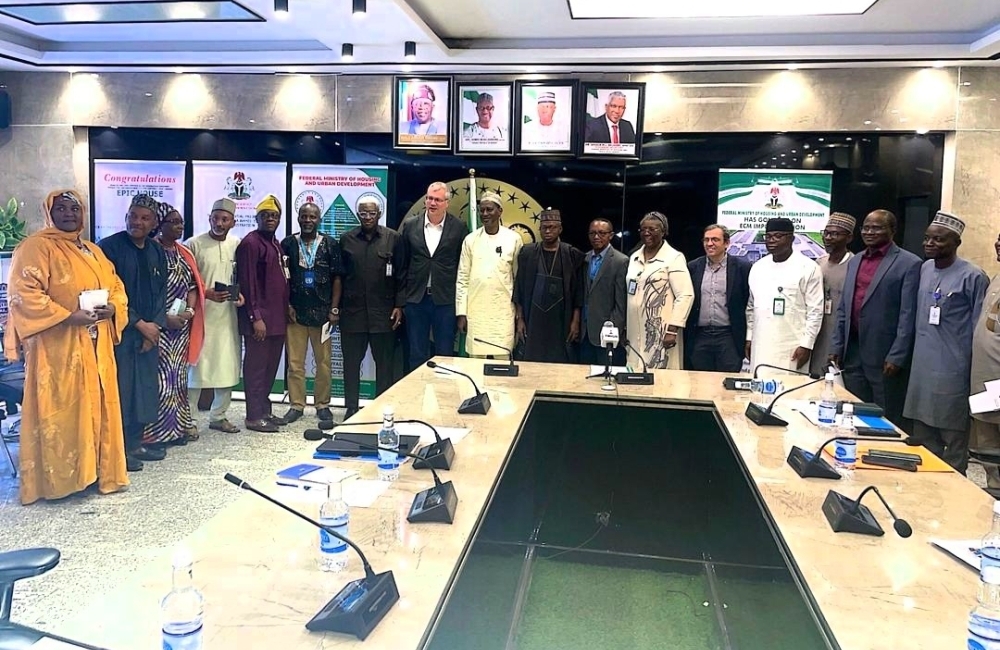
MEETING OF THE HON MINISTER, FMHUD AND HEAD OF UN HABITAT, WEST AFRICA HUB, DAKAR, MR MATHIAS, SPALIVIERO, WEDNESDAY, 25TH FEBRUARY, 2025
Meeting of the Hon Minister, FMHUD and Head of UN Habitat, West Africa Hub, Dakar, Mr Mathias, Spaliviero, Wednesday, 25th February, 2025