Housing Ministry Honours Outstanding Staff at 2025 Ministerial Awards Ceremony
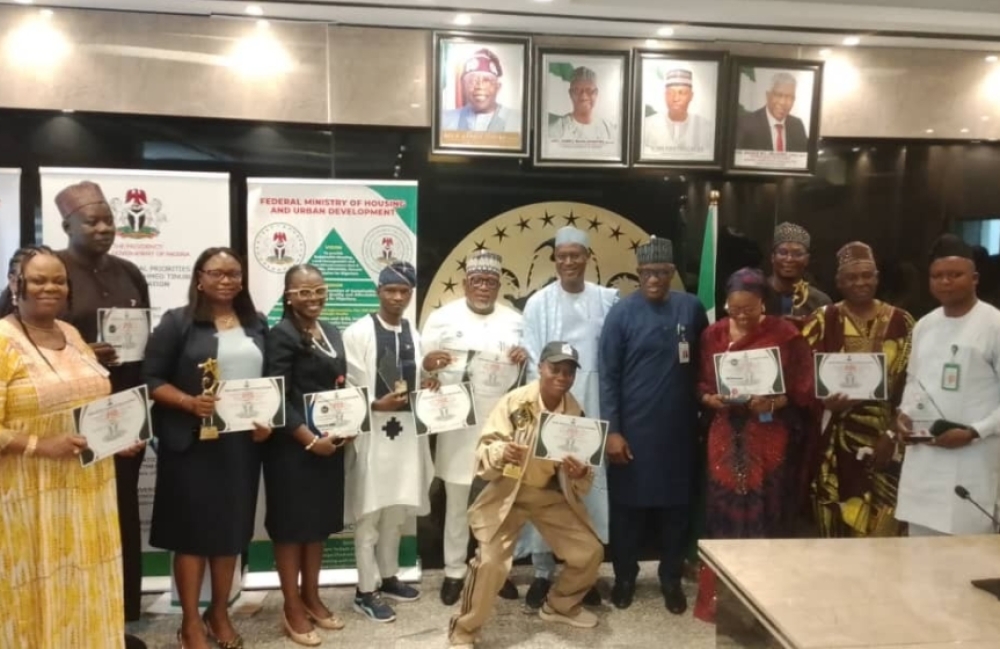
The Federal Ministry of Housing and Urban Development has held its 2025 Ministerial Rewards and Recognition Award Ceremony, reaffirming its commitment to promoting excellence, integrity, and outstanding service delivery within the Civil Service.
The colourful ceremony, which took place at the Ministry’s Headquarters in Abuja, brought together top management staff, directors, and employees to celebrate eleven exceptional officers whose dedication, professionalism, and performance distinguished them among their peers.
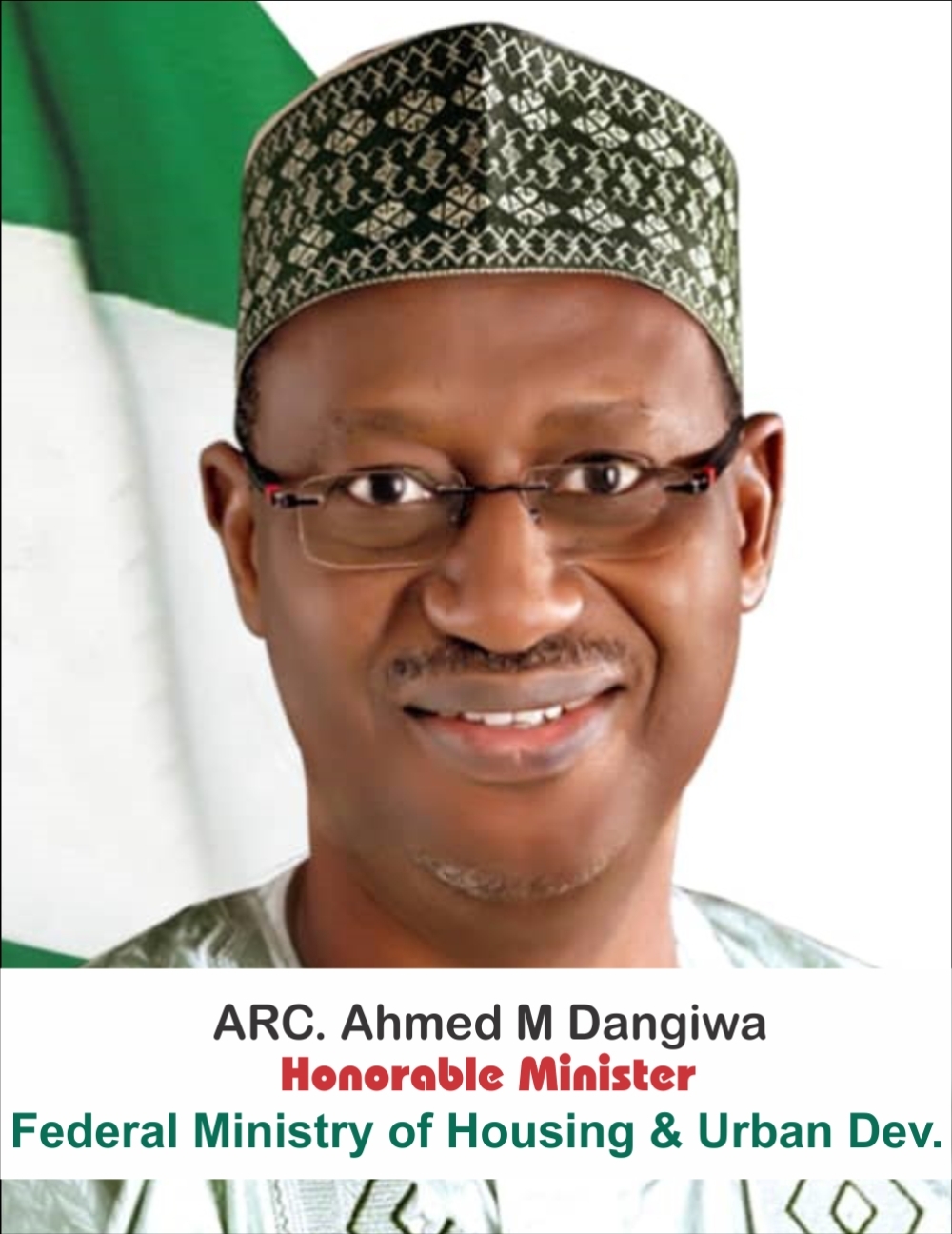
The Honourable Minister of Housing and Urban Development, Arc. Ahmed Musa Dangiwa, stated that the initiative aligns with the directive of the Head of the Civil Service of the Federation to institutionalize a culture of merit-based recognition, productivity, and excellence across Ministries, Departments, and Agencies.
The Minister expressed deep appreciation to the Award Selection Committee for their diligence and transparency in the screening process, noting that their efforts ensured that only truly deserving staff were honoured.
“This occasion is one of the proud moments for the Ministry. I am particularly pleased with the spread of award categories and the quality of awardees selected from across various departments,” he said.
Arc. Dangiwa further emphasized the importance of mentorship in the service, urging Directors and senior officers to deliberately groom and guide younger officers before exiting the system. According to him, sustained mentorship is critical to preserving institutional knowledge and strengthening the future of the Civil Service.
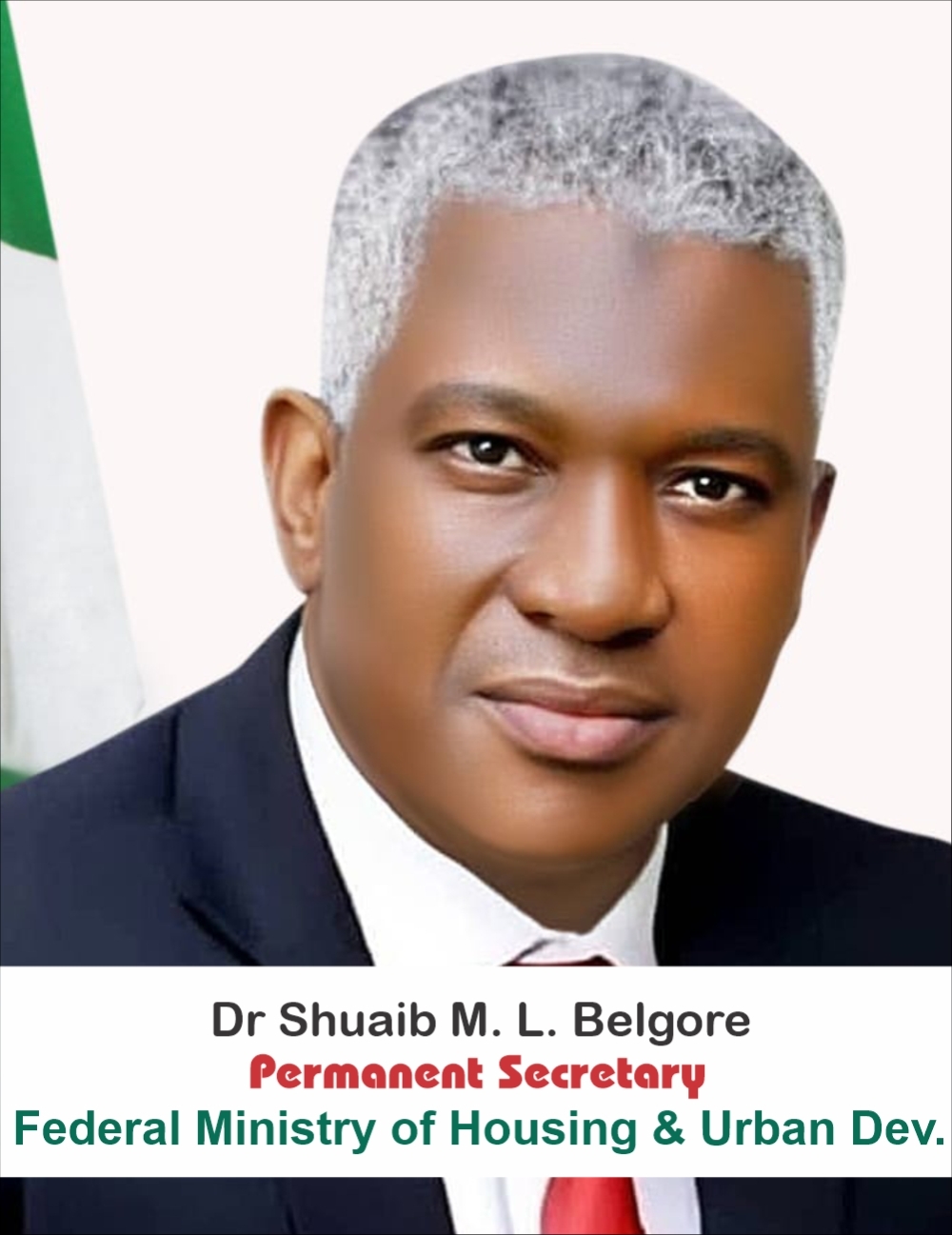
In his opening remarks, the Permanent Secretary, Dr. Shuaib Belgore, described the awards ceremony as a strategic initiative to motivate staff, encourage healthy competition, and reinforce a culture of excellence and accountability.
He noted that the Ministry’s performance at previous national Civil Service Awards, where some staff emerged winners, has further inspired the drive to achieve greater recognition at the national level.
“Our goal this year is not only to participate but to excel by winning multiple awards, including the overall best in the Civil Service category, which comes with significant incentives such as houses, vehicles, and computers,” he stated.
Dr. Belgore explained that while many officers are deserving of recognition, the awardees represent the peak of performance, having emerged through a rigorous and merit-driven selection process. He added that the Ministry has institutionalized a robust recognition system, including monthly staff awards and departmental “Staff of the Month” displays, culminating in the selection of overall best performers.
“Those honoured today have demonstrated consistent excellence and have earned their recognition through hard work and commitment to duty,” he added.
Earlier in his welcome address, the Director of the Special Projects Unit, Mr. Olatunde Ajayi, described the ceremony as a platform to celebrate excellence and inspire others to strive for higher standards of service delivery.
He assured that the selection process adopted by the Ministerial Awards Selection Committee was thorough, transparent, and strictly guided by Federal Public Service policies and guidelines. According to him, the criteria focused on measurable performance, accountability, commitment to service delivery, and continuous improvement.
The 2025 Ministerial Rewards and Recognition Award Ceremony underscores the Ministry’s unwavering commitment to building a motivated workforce driven by excellence, professionalism, and dedication to national development.



The Federal Ministry of Housing and Urban Development has held its 2025 Ministerial Rewards and Recognition Award Ceremony, reaffirming its commitment to promoting excellence, integrity, and outstanding service delivery within the Civil Service. The colourful ceremony, which took place at the Ministry’s Headquarters in Abuja, brought together top management staff, directors, and employees to celebrate eleven exceptional officers whose dedication, professionalism, and performance distinguished them among their peers. The Honourable Minister of Housing and Urban Development, Arc. Ahmed Musa Dangiwa, stated that the initiative aligns with the directive of the Head of the Civil Service of the Federation to institutionalize a culture of merit-based recognition, productivity, and excellence across Ministries, Departments, and Agencies. The Minister expressed deep appreciation to the Award Selection Committee for their diligence and transparency in the screening process, noting that their efforts ensured that only truly deserving staff were honoured. “This occasion is one of the proud moments for the Ministry. I am particularly pleased with the spread of award categories and the quality of awardees selected from across various departments,” he said. Arc. Dangiwa further emphasized the importance of mentorship in the service, urging Directors and senior officers to deliberately groom and guide younger officers before exiting the system. According to him, sustained mentorship is critical to preserving institutional knowledge and strengthening the future of the Civil Service. In his opening remarks, the Permanent Secretary, Dr. Shuaib Belgore, described the awards ceremony as a strategic initiative to motivate staff, encourage healthy competition, and reinforce a culture of excellence and accountability. He noted that the Ministry’s performance at previous national Civil Service Awards, where some staff emerged winners, has further inspired the drive to achieve greater recognition at the national level. “Our goal this year is not only to participate but to excel by winning multiple awards, including the overall best in the Civil Service category, which comes with significant incentives such as houses, vehicles, and computers,” he stated. Dr. Belgore explained that while many officers are deserving of recognition, the awardees represent the peak of performance, having emerged through a rigorous and merit-driven selection process. He added that the Ministry has institutionalized a robust recognition system, including monthly staff awards and departmental “Staff of the Month” displays, culminating in the selection of overall best performers. “Those honoured today have demonstrated consistent excellence and have earned their recognition through hard work and commitment to duty,” he added. Earlier in his welcome address, the Director of the Special Projects Unit, Mr. Olatunde Ajayi, described the ceremony as a platform to celebrate excellence and inspire others to strive for higher standards of service delivery. He assured that the selection process adopted by the Ministerial Awards Selection Committee was thorough, transparent, and strictly guided by Federal Public Service policies and guidelines. According to him, the criteria focused on measurable performance, accountability, commitment to service delivery, and continuous improvement. The 2025 Ministerial Rewards and Recognition Award Ceremony underscores the Ministry’s unwavering commitment to building a motivated workforce driven by excellence, professionalism, and dedication to national development.
Housing Ministry Honours Outstanding Staff at 2025 Ministerial Awards Ceremony

Promotion: Dangiwa, Ata Decorate, Congratulate Police Officers * Urge them to rededicate to Service Minister and Minister of State, Housing and Urban Development, Arc. Ahmed Musa Dangiwa and Yusuf Abdullahi Ata have decorated and congratulated four police officers attached to them on their promotion. In their remarks during the decoration ceremony that took place at the Ministry's headquaeters, the Ministers urged the officers to rededicate themselves to serving the nation. Minister Dangiwa stated that success is often accompanied by challenges, encouraging the promoted officers to rise to the new challenges that come with their elevated positions. "Your promotions were well-deserved, You have demonstrated good conduct in the course of your respective duties, I wish you more promotions ahead " he said. On his part, Minister of State, Rt. Hon. Yusif Abdullahi Ata, rejoiced with the promoted police officers and prayed for Allah's boundless guidance as they discharge their statutory duties. Former Speaker and immidiate past Governor of Katsina State Aminu Bello Masari, who was in attendance, congratulated the officers and urged them to be thankful to God Almighty for keeping them alive to witness a milestone in their profession. He noted that Nigeria was in dire need of the services of security officers, particularly the present times when the country is facing security challenges. The promoted officers were; Kabir Haido, Chief Security Officer to Minister Dangiwa, who got promoted to Chief Superintendent of Police (CSP), and Jibril Kawari, the Minister's Aide-de-Camp, who was promoted to Deputy Superintendent of Police (DSP). Others are; Jamilu Danjani, Chief Security Officer to the Minister of State, who got promoted to CSP, and Othman Umar Farouk, Aide-de-Camp to the Minister of State elevated to DSP. ...
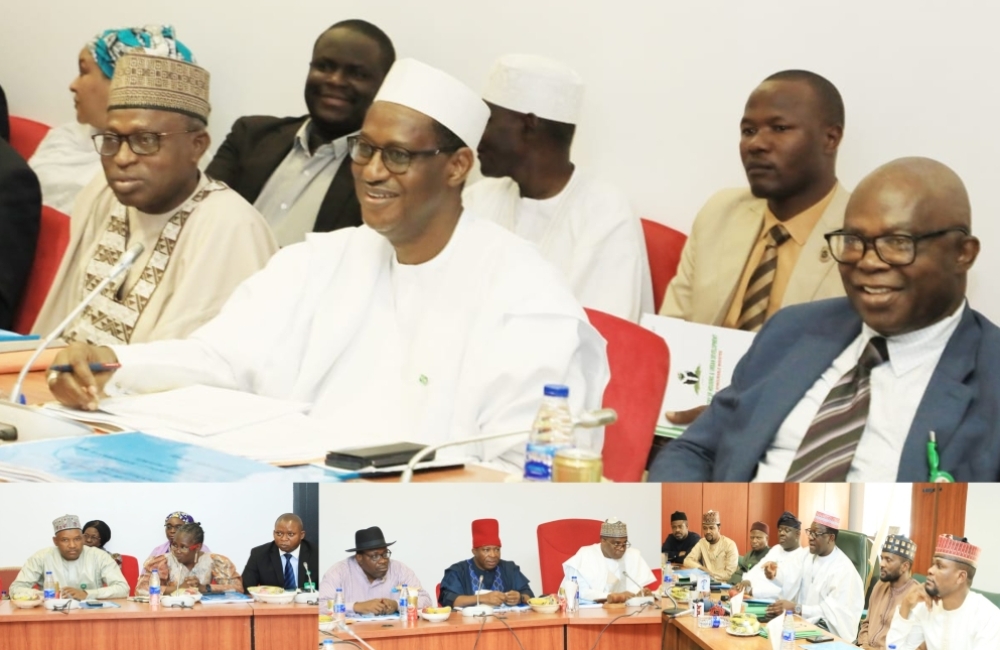
Budget 2025: Housing Minister Seeks Increased Funding to Deliver Affordable Housing to Nigerians * Prioritises completion of ongoing Renewed Hope Housing Projects * Says insufficient budgetary provisions, allocation and high cost of building materials, a challenge The Honourable Minister of Housing and Urban Development, Arc.Ahmed Musa Dangiwa has highlighted the urgent need for increased budgetary allocation to deliver the Presidential mandate of providing affordable housing and reducing the housing deficit. The Minister gave the higlight during the 2025 budget defence before the Senate Committee on Lands, Housing and Urban Development, and the House of Representatives Committee on Housing and Habitat respectively, Monday, 20th January, 2025. The Senate Committee is under the Chairmanship of His Excellency Senator Aminu Waziri Tambuwal, while the House of Representatives Committee is headed by Hon Abdulmumin Jibrin. Dangiwa, who alongside the Minister of State, Rt Hon Yusuf Abdullahi Ata led the management staff of the Ministry to the budget defence, also presented the 2023/2024 budget performance of the Ministry. In his presentation, he highlighted the ministry's priorities for 2025, emphasizing the need to complete ongoing housing projects, slum upgrading, and urban renewal programs across the nation. Arc Dangiwa also listed the focus areas of his ministry in the 2025 budget to include; construction of 20,000 housing units under the Renewed Hope Housing Agenda, and completion of National Housing projects in over 20 states and the FCT. Accordingly, the Minister urged the committee to increase budget allocations in seven key areas which he said were critical to the transformative policies and programmes of Mr President to put the economy on the path of recovery and growth. The seven key areas, he mentioned were; - Increased funding for the completion of ongoing housing projects. - Enhanced allocation for slum upgrading and urban renewal programs. - Additional resources for the National Housing projects. - Improved funding for affordable housing initiatives. - Enhanced allocation for housing infrastructure development. - Increased support for housing research and development. - Improved funding for housing policy and regulatory framework development. Both committees expressed their support for the vision and commitment of the ministry to turn around the housing sector of the country and assured the Ministry of their collaboration to assist the ministry to meet it's demands and obligations ...
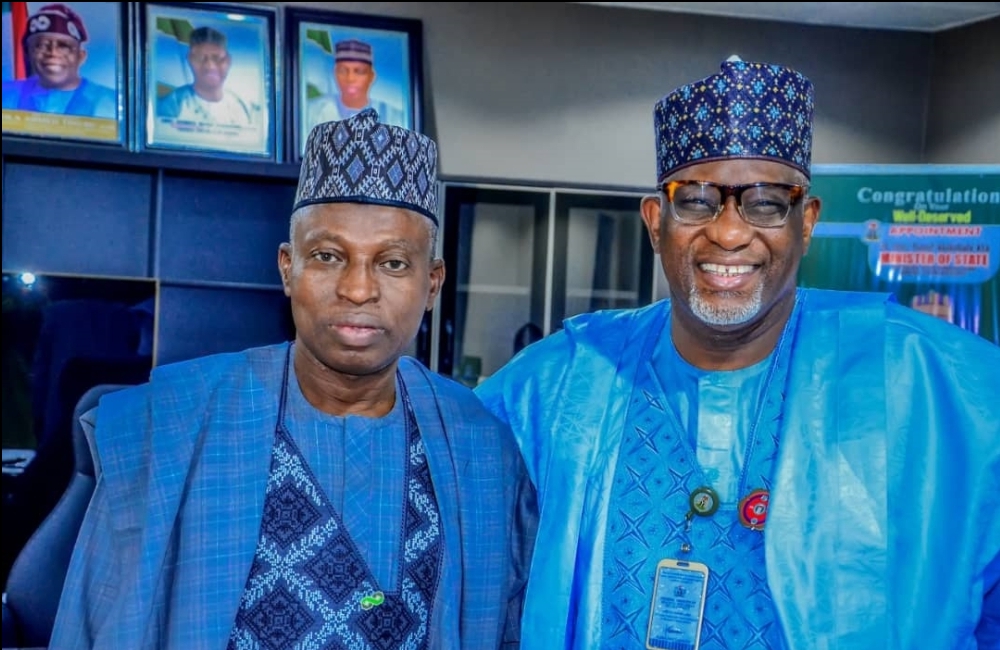
New Permanent Secretary Meets Minister of State for Housing The newly appointed Permanent Secretary of the Federal Ministry of Housing and Urban Development, Dr. Shu'abu Lamido Belgore, paid an official visit to the Minister of State for Housing and Urban Development, Rt. Hon. Yusif Abdullahi Ata, at his office on Monday, January 13, 2025. During the meeting, Minister Abdullahi Ata and Permanent Secretary Belgore engaged in extensive discussions on ways to enhance their working relationship and complement each other's efforts. Their goal is to ensure effective service delivery within the Ministry of Housing and Urban Development. This visit marks an important step in fostering collaboration and cooperation between the Ministry's leadership. As Permanent Secretary, Dr. Belgore brings a wealth of experience to his new role, having previously served in various capacities, including as Permanent Secretary of the Ministry of Niger Delta Development. ...

KEYNOTE ADDRESS BY THE HONOURABLE MINISTER ON THE COMMISSIONING OF DESIGN AND INSTALLATION OF SOLAR PV AND MICRO-GRID POWER SYSTEM FOR FEDERAL MINISTRY OF WORKS AND HOUSING, MABUSHI, ABUJA, ON TUESDAY, 6TH JULY, 2021
Your Excellency Mr. President, distinguished ladies and gentlemen, on behalf of my colleague, the Honourable Minister of State for Works and Housing, Engineer Abubakar D. Aliyu, the serving and previous Permanent Secretaries, serving and previous directors and members of staff of the Ministry of Works and Housing, I am delighted to welcome you to this commissioning ceremony.
This project was approved by the Federal Executive Council on the 20th March 2019 at the time when the Ministry of Power was part of Works and Housing. I express our Ministry's appreciation to members of the Federal Executive Council who voted to entrust our Ministry with this project.
What we have delivered, based on the mandate of the Federal Executive Council, is a 1.52 MegaWatts Solar System that will provide uninterrupted power supply to 5 blocks housing the Ministry of Works and Housing and Ministry of Environment and Lands.
This project employed 382 artisans and 176 skilled workers throughout its duration, in fulfilment of the Economic Recovery and Growth Plan (ERGP) of creating jobs.
It would see to the reduction of average diesel consumption from 764,248 litres per annum to 166,825 litres per annum and cost saving of NGN270,945,000 over 20 years and contribute towards the reduction of government operational expenses and reduction of recurrent expenditure.
It has led to the upgrade and retrofitting of our electrical appliances by replacing 400 old Air-conditioning units with 400 new inverter-based energy efficient Air-conditioning units and replacing 2600 old light fittings with energy efficient LED ones all of which are energy saving because they consume 40% less energy.
In terms of local content...
Our contract engages 5 (Five) STEM candidates to work throughout the solar PV lifecycle of this project in the following roles:
a. Two (2) candidates got trained in engineering design;
b. Two (2) candidates got trained in project construction;
c. One candidate got trained in engineering project management.
With this investment we have built our own Mini-Grid, in consonance with our Administration’s policy to promote off grid option, thereby making more of the on-grid power available to ordinary Nigerians who cannot afford the cost of investing in off-grid power.
To our contractor, I express deep appreciation for the efficient execution and more importantly for the sacrifice to complete this project in spite of the wide disparity between the foreign exchange rates in 2019 when the project was awarded and now, notwithstanding high importation costs of the parts.
Permit me sir, to also acknowledge two young people who were part of this project at different stages from inception to completion.
Mrs. Damilola Ogunbiyi and Engr. Femi Akinyelure, whom your Excellency appointed to the Rural Electrification Agency both of whom, with their colleagues, were involved in the energy audit and design of this project.
They represent the positive impact of youth involvement in public service; and of course, I cannot forget Engr. Julius Olurinola, our Director of Engineering Services, whose role I liken to that of a midwife, supervising, monitoring and reporting the progress of this project from incubation to delivery.
All I need now say is that other government buildings can follow this path and our team will be most enthusiastic to provide the support, and share our experiences and lessons learned, working with the Ministry of Power.
Your Excellency Mr. President, I have the pleasure to now invite you sir, to perform the official commissioning of the 1.52 MegaWatts Solar Power project to provide uninterrupted power to your staff in the Ministry of Works and Housing and Environment to improve their working conditions.
Babatunde Raji Fashola, SAN
Honourable Minister of Works and Housing
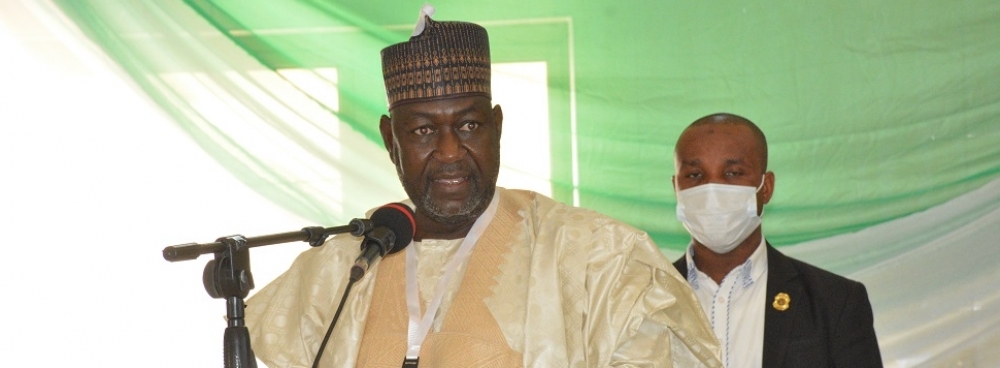
Address By The Honourable Minister Of Works And Housing, H.E. Babatunde Raji Fashola, San Presented By The Honourable Minister Of State Federal Ministry Of Works And Housing, Engr. Abubaker D. Aliyu, Fnse On The Occasion Of The 9th Meeting Of The National Council On Lands, Housing And Urban Development Holding At The Kwarafa Multi-Purpose Hall, Elim-Top Suites, Rayfield, Jos, Plateau State On Thursday, 29th April, 2021.
Protocol
Permit me to begin this address by expressing my profound gratitude to the Executive Governor, His Excellency, Rtd Hon. Simon Bako Lalong, the good and homely people of Plateau State “Home of Peace and Tourism” for accepting to host us in spite of the extremely difficult socio-economic situation and the exigencies of the moment. Your Excellency, finding time from your busy schedule to grace this 9th edition of National Council Meeting on Lands Housing and Urban Development with theme “Housing Delivery in Covid-19 Era and Beyond: The Strategies for Affordability and Accessibility” is highly appreciated.
2. Permit me to also state that the choice of this year’s theme for the annual meeting is deliberate and germane to the prevailing circumstances we presently find ourselves defined by Covid-19 Pandemic. Because as a country and people, we do not exist as island from the rest of the world. Thus the impact of the Pandemic is equally felt in all sectors of the economy.
3. There is no gainsaying the fact that access to affordable human habitats (houses) by the people has been problematic over the years even during the Covid-19 Era. However, this Administration, since its inception in 2015 has been able to confront this herculean challenge head-on by rolling out concrete policies programmes and projects towards addressing effectively it.
Distinguished Guests, Ladies and Gentlemen,
4. Government is fully aware that housing challenges are prevalent in urban centres which should be understood as a symptom of urbanization. The rural areas face less challenges as underscored by a number of empty houses available for occupation. Urbanization creates excess demand which in turn creates economic problems of demand and supply that is translated into price hike and scarcity which impacts on affordability and accessibility.
5. Indeed, the difficulties of price hike are not only the inflationary pricing driven by excess demand but also extortionary payment of one, two or even up to three years rent in advance. Make no mistake, people have struggled under the burden of this extortionist rates and payment increase, in some cases, in the midst of scarcity there are empty house un-occupied for myriad reasons such as size, price, payment mode and so on and so forth. Unfortunately, the Covid-19 incidence has made the situation even more difficult for those who are in the struggling bracket. These include;
i. Employers and Employees who have lost businesses or employment and therefore income from where rent can be paid who now face the risk of eviction;
ii. Landlords/property Owners who invested before Covid-19 but who now face dwindling market demand and in some cases bank foreclosure because projected income from sale or lease has not materialized due to Covid-19 challenges, etc.
5. The scenario above are the life situations across the world including Nigeria. This makes the choice of our theme and subject a compelling national discourse for our 9th Meeting of the National Council.
Distinguished Guests, Ladies and Gentlemen
6. I will be remiss if I fail at this juncture to inform you about the laudable achievements recorded by the present Administration under the visionary and dynamitic leadership of President Mohammadu Buhari, GCFR. On our scorecard are milestone achievements in the following broad areas:
i. Support for businesses (CBN) loan re-scheduling
ii. Ease of lockdown (small businesses resumed work in July, 2020
iii. Provision of Survival Fund
iv. VAT exemption for businesses with less than N25m turnover.
7. So far, in the areas of Housing, what the Federal Government can do directly is limited compared to what States can do, and State Governments are also limited, compared to what private sector and individuals can do. Put differently, the majority of houses available for sale or rent belong to individuals and private companies compared to what States or Federal Government has available. Therefore, many of the tenants who owe rent, who face eviction or who seek to rent or buy property are dealing with private citizens or companies and less so with Government Agencies.
8. Consequently, my recommendation for improving access and affordability in the Covid-19 Era is for private companies and individuals to give back some of what they control to citizens in the way that FGN has given back to citizens some of what it controls. For example, in cases where rent of businesses or individuals are due for renewal, the private Landlords can give back, by accepting monthly, quarterly or half-yearly rent instead of one, two or three years rent in advance. The risk of defaults can be secured by Bank Guarantees or Insurance Bonds provided by the tenant. Where rent has fallen into arrears, it is possible to emulate what FGN did through the CBN to reschedule payment on loans, by re-scheduling the payment for the tenant to more affordable terms instead of pursuing eviction.
Distinguished Guests, Ladies and Gentlemen
9. Notably, all of these are matters of voluntary action by property owners and a matter of conscience. And perhaps the question to ask is whether we can do for ourselves or give to one another what we ask Government to do for us or give to us. Beyond voluntary action, there is State intervention which can facilitate access and affordability. As I have earlier pointed out, properties are not necessarily inaccessible or unaffordable because of the price alone, but more often because of the mode of payment. For example, a N10m flat would probably be affordable and accessible if payment is spread over 5 to 10 years as against having to be paid at once. The same would be one for renting a N2m per annum house if payment were made monthly in arrears or 6-month in advance, as against paying 3-years rent (amounting to N6m) in advance. These are some of the biggest hurdles that confront our people in almost all States.
10. It is therefore my candid recommendation to this Council to consider intervention by way of recommending a legislation that limits how such advance rent can be demanded or paid for renting accommodation. The sanction for non-compliance is that this would be a self-enforcing legislation in that the State apparatus such as the Courts would not help any party to such a contract get relief as it would be a patently illegal contract. This has been tried in other jurisdictions within and outside Nigeria and it has helped to improve accessibility and affordability. Many empty properties in our urban centres remain inaccessible or unaffordable because of some of these factors, and they can be unlocked if we act.
Distinguished Guests, Ladies and Gentlemen
11. Another matter for consideration of Council is the rapid deployment of co-operative housing which I presented to Council at the last meeting. I am in a position to update Council that the Federal Mortgage Bank of Nigeria (FMBN) has been the driver of the initiative at FGN Level and they have:
i. 86 Co-operatives engaged in projects
ii. N35,784Billion cumulatively approved
iii. N10.95Billion cumulatively disbursed
iv. 57 Co-operative Housing Development Loans under processing as at January, 2021.
The potential for accessibility and affordability is that:
a) Co-operative members can choose what they want and therefore design and build to fit their own individual and group budget.
b) Co-operatives can leverage their members to get group discount for purchase of building materials and the engagement of contractors to build.
Because State Governments control much more land, the use of the land as a tool to enable Co-operatives within their States to build, can be very impactful in changing the affordability and accessibility paradigms in the COVID-19 Era and beyond.
12. Finally, I could not conclude my remarks without thanking all the 34 States who have given us land for the National Housing Projects in their respective States. In the next few weeks we shall be unveiling the dedicated web portal for the sale of the buildings to Nigerians on a first come first serve basis. We urge the State Governments to alert their residents to this opportunity for interested persons to apply. Contributors to the National Housing Fund (NHF) should be able to access mortgage loans that will facilitate affordability.
Thank you.

Housing Ministry, Shelter Advisory Convene Summit on Renewed Hope Housing PPP

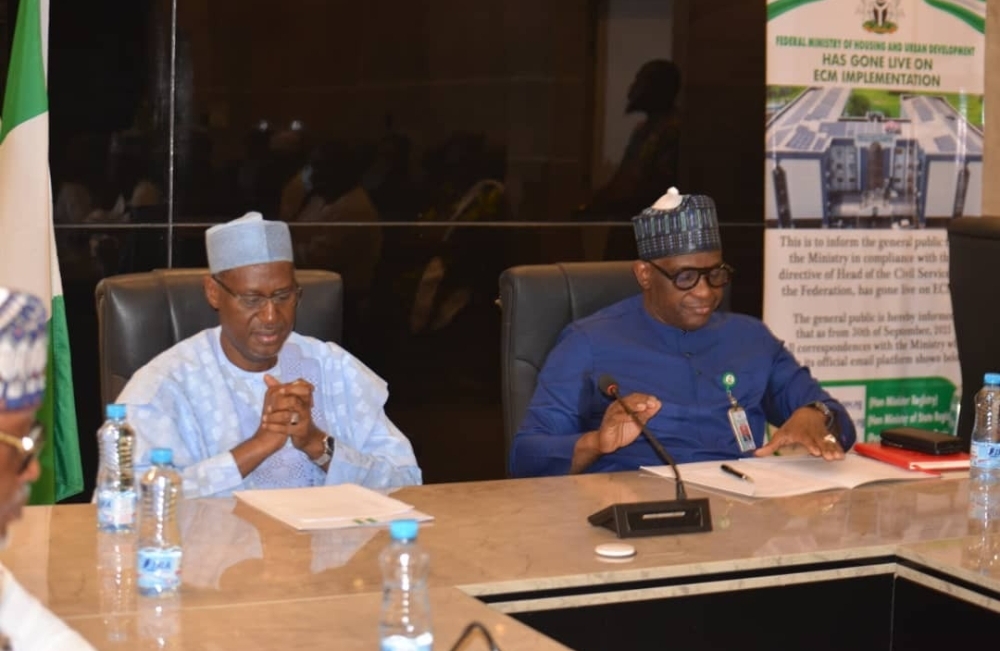
FMHUD 2025 STAFF AWARDS & RECOGNITION CEREMONY, MONDAY, MARCH 30, 2026
FMHUD 2025 STAFF AWARDS & RECOGNITION CEREMONY, Monday, March 30, 2026
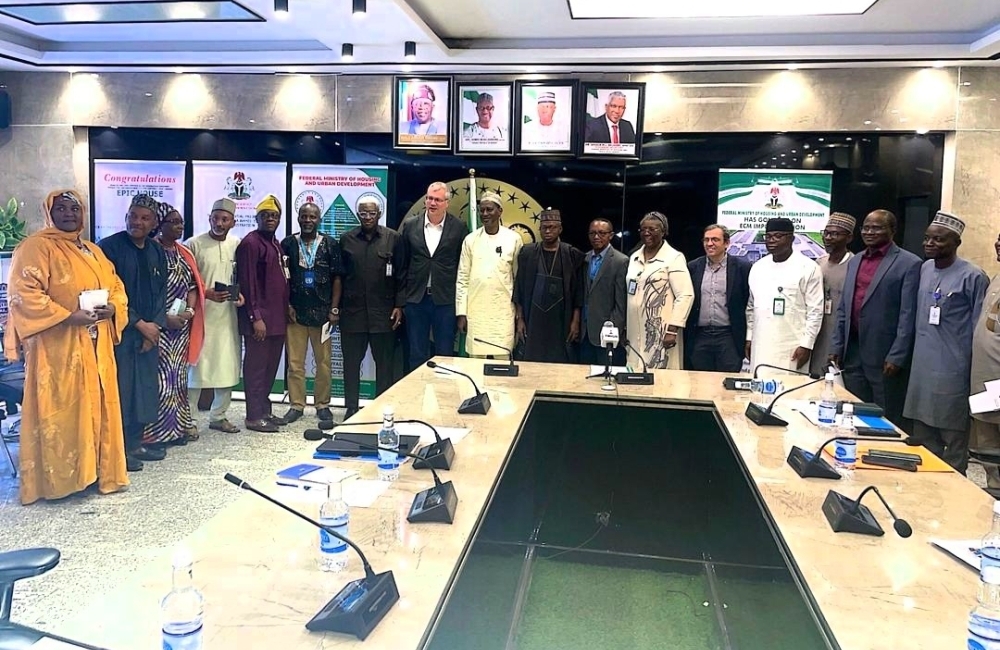
MEETING OF THE HON MINISTER, FMHUD AND HEAD OF UN HABITAT, WEST AFRICA HUB, DAKAR, MR MATHIAS, SPALIVIERO, WEDNESDAY, 25TH FEBRUARY, 2025
Meeting of the Hon Minister, FMHUD and Head of UN Habitat, West Africa Hub, Dakar, Mr Mathias, Spaliviero, Wednesday, 25th February, 2025