Housing Ministry Honours Outstanding Staff at 2025 Ministerial Awards Ceremony
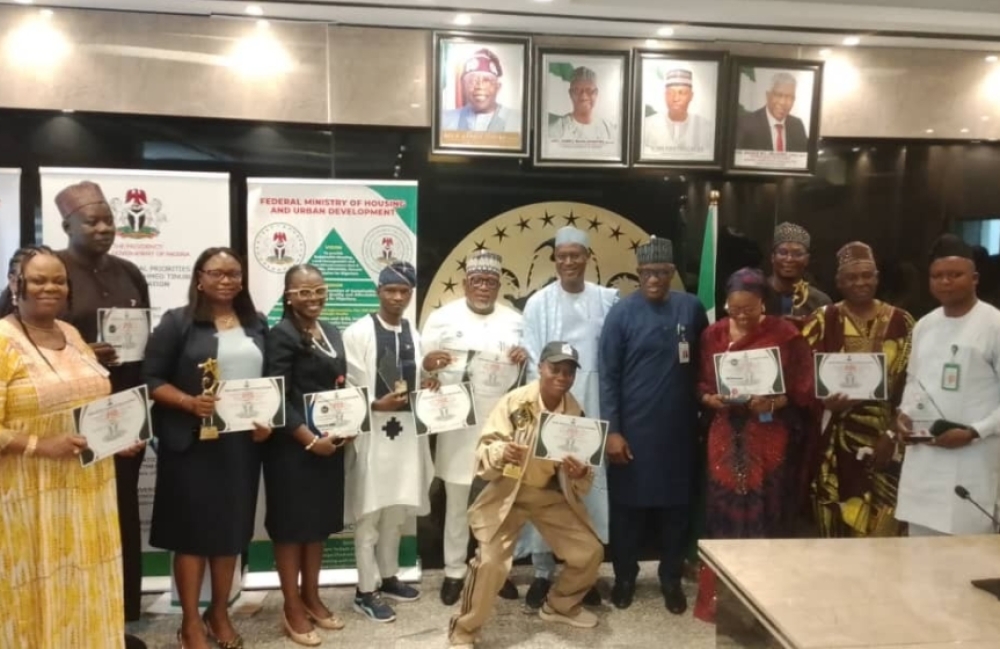
The Federal Ministry of Housing and Urban Development has held its 2025 Ministerial Rewards and Recognition Award Ceremony, reaffirming its commitment to promoting excellence, integrity, and outstanding service delivery within the Civil Service.
The colourful ceremony, which took place at the Ministry’s Headquarters in Abuja, brought together top management staff, directors, and employees to celebrate eleven exceptional officers whose dedication, professionalism, and performance distinguished them among their peers.
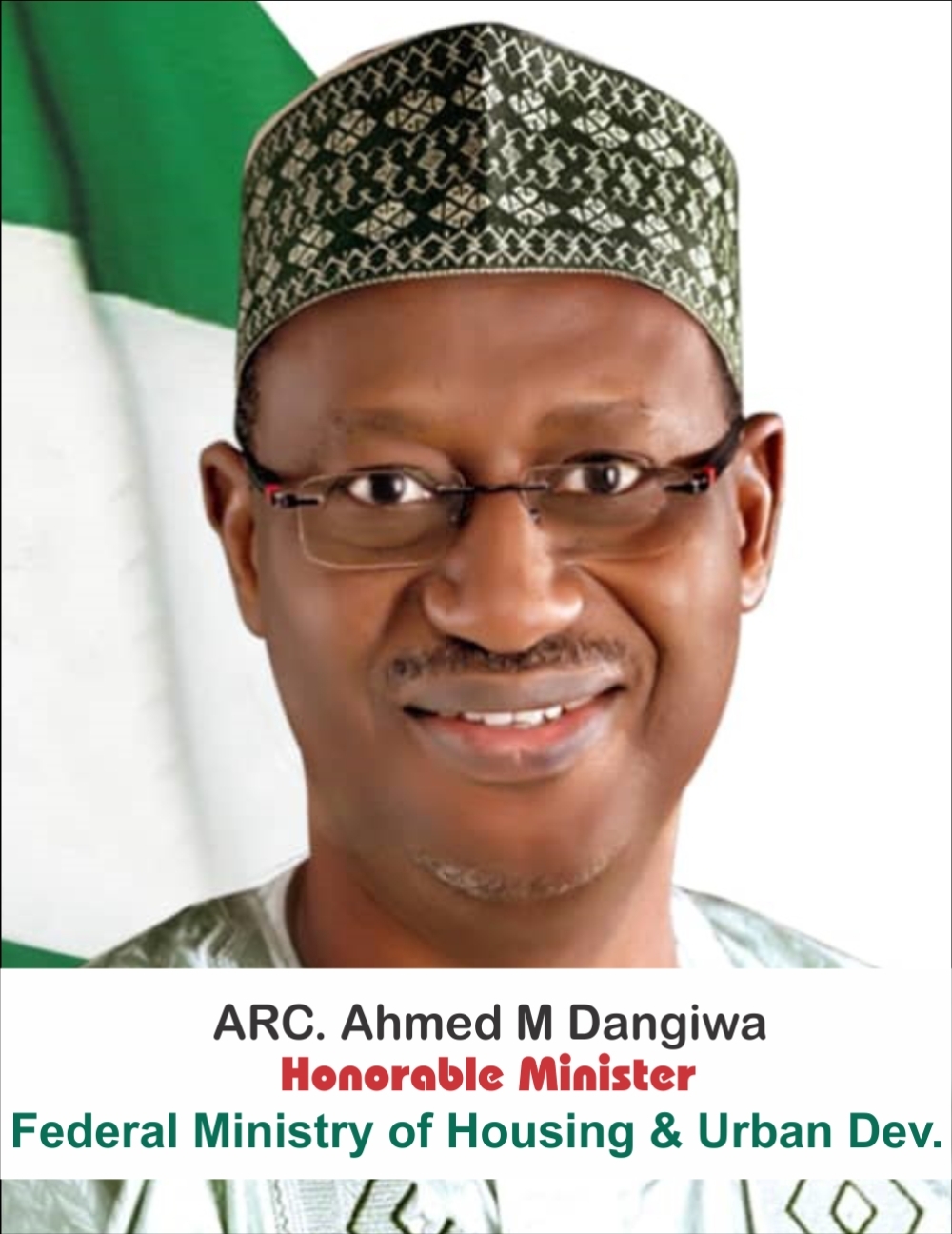
The Honourable Minister of Housing and Urban Development, Arc. Ahmed Musa Dangiwa, stated that the initiative aligns with the directive of the Head of the Civil Service of the Federation to institutionalize a culture of merit-based recognition, productivity, and excellence across Ministries, Departments, and Agencies.
The Minister expressed deep appreciation to the Award Selection Committee for their diligence and transparency in the screening process, noting that their efforts ensured that only truly deserving staff were honoured.
“This occasion is one of the proud moments for the Ministry. I am particularly pleased with the spread of award categories and the quality of awardees selected from across various departments,” he said.
Arc. Dangiwa further emphasized the importance of mentorship in the service, urging Directors and senior officers to deliberately groom and guide younger officers before exiting the system. According to him, sustained mentorship is critical to preserving institutional knowledge and strengthening the future of the Civil Service.
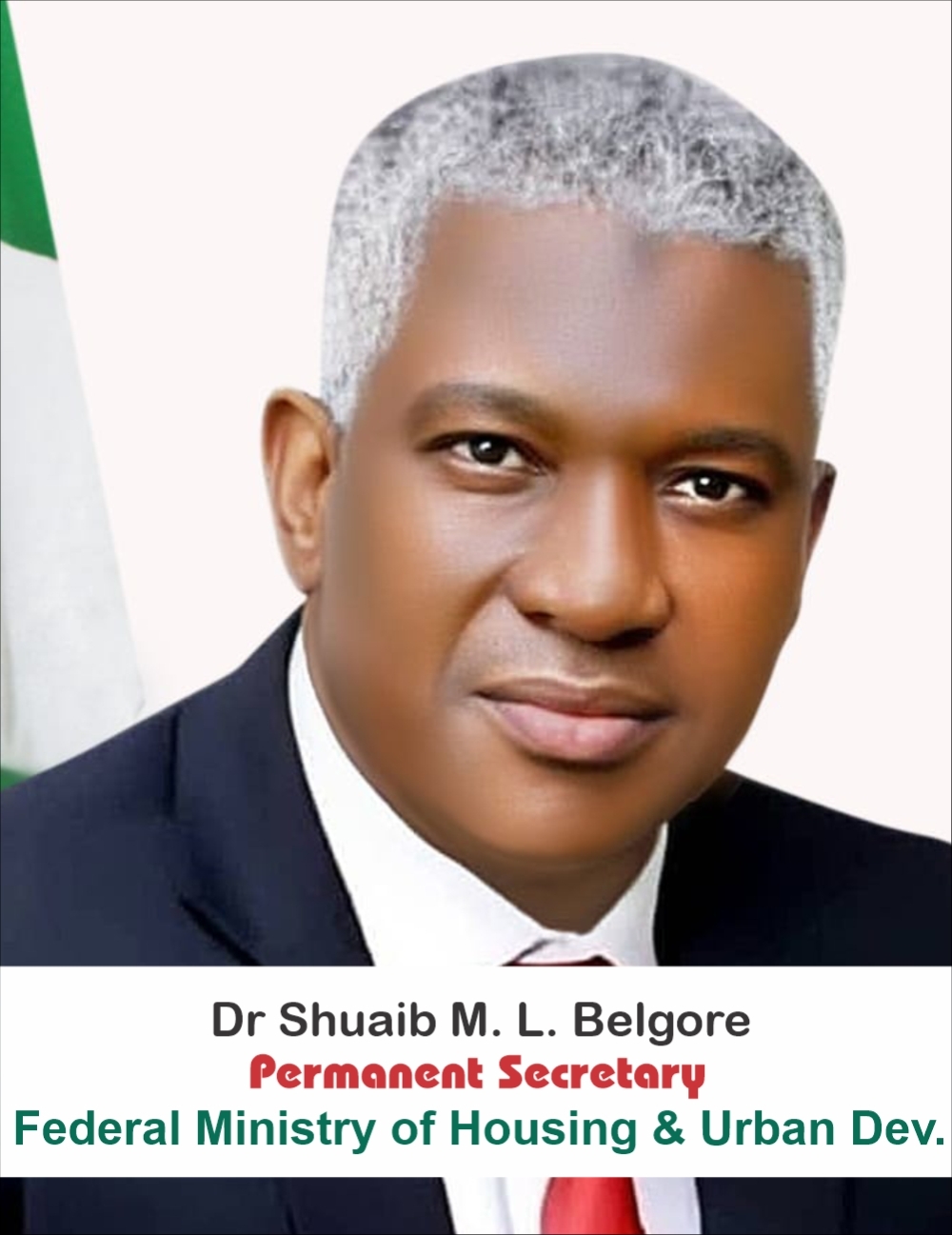
In his opening remarks, the Permanent Secretary, Dr. Shuaib Belgore, described the awards ceremony as a strategic initiative to motivate staff, encourage healthy competition, and reinforce a culture of excellence and accountability.
He noted that the Ministry’s performance at previous national Civil Service Awards, where some staff emerged winners, has further inspired the drive to achieve greater recognition at the national level.
“Our goal this year is not only to participate but to excel by winning multiple awards, including the overall best in the Civil Service category, which comes with significant incentives such as houses, vehicles, and computers,” he stated.
Dr. Belgore explained that while many officers are deserving of recognition, the awardees represent the peak of performance, having emerged through a rigorous and merit-driven selection process. He added that the Ministry has institutionalized a robust recognition system, including monthly staff awards and departmental “Staff of the Month” displays, culminating in the selection of overall best performers.
“Those honoured today have demonstrated consistent excellence and have earned their recognition through hard work and commitment to duty,” he added.
Earlier in his welcome address, the Director of the Special Projects Unit, Mr. Olatunde Ajayi, described the ceremony as a platform to celebrate excellence and inspire others to strive for higher standards of service delivery.
He assured that the selection process adopted by the Ministerial Awards Selection Committee was thorough, transparent, and strictly guided by Federal Public Service policies and guidelines. According to him, the criteria focused on measurable performance, accountability, commitment to service delivery, and continuous improvement.
The 2025 Ministerial Rewards and Recognition Award Ceremony underscores the Ministry’s unwavering commitment to building a motivated workforce driven by excellence, professionalism, and dedication to national development.


The Federal Ministry of Housing and Urban Development has held its 2025 Ministerial Rewards and Recognition Award Ceremony, reaffirming its commitment to promoting excellence, integrity, and outstanding service delivery within the Civil Service. The colourful ceremony, which took place at the Ministry’s Headquarters in Abuja, brought together top management staff, directors, and employees to celebrate eleven exceptional officers whose dedication, professionalism, and performance distinguished them among their peers. The Honourable Minister of Housing and Urban Development, Arc. Ahmed Musa Dangiwa, stated that the initiative aligns with the directive of the Head of the Civil Service of the Federation to institutionalize a culture of merit-based recognition, productivity, and excellence across Ministries, Departments, and Agencies. The Minister expressed deep appreciation to the Award Selection Committee for their diligence and transparency in the screening process, noting that their efforts ensured that only truly deserving staff were honoured. “This occasion is one of the proud moments for the Ministry. I am particularly pleased with the spread of award categories and the quality of awardees selected from across various departments,” he said. Arc. Dangiwa further emphasized the importance of mentorship in the service, urging Directors and senior officers to deliberately groom and guide younger officers before exiting the system. According to him, sustained mentorship is critical to preserving institutional knowledge and strengthening the future of the Civil Service. In his opening remarks, the Permanent Secretary, Dr. Shuaib Belgore, described the awards ceremony as a strategic initiative to motivate staff, encourage healthy competition, and reinforce a culture of excellence and accountability. He noted that the Ministry’s performance at previous national Civil Service Awards, where some staff emerged winners, has further inspired the drive to achieve greater recognition at the national level. “Our goal this year is not only to participate but to excel by winning multiple awards, including the overall best in the Civil Service category, which comes with significant incentives such as houses, vehicles, and computers,” he stated. Dr. Belgore explained that while many officers are deserving of recognition, the awardees represent the peak of performance, having emerged through a rigorous and merit-driven selection process. He added that the Ministry has institutionalized a robust recognition system, including monthly staff awards and departmental “Staff of the Month” displays, culminating in the selection of overall best performers. “Those honoured today have demonstrated consistent excellence and have earned their recognition through hard work and commitment to duty,” he added. Earlier in his welcome address, the Director of the Special Projects Unit, Mr. Olatunde Ajayi, described the ceremony as a platform to celebrate excellence and inspire others to strive for higher standards of service delivery. He assured that the selection process adopted by the Ministerial Awards Selection Committee was thorough, transparent, and strictly guided by Federal Public Service policies and guidelines. According to him, the criteria focused on measurable performance, accountability, commitment to service delivery, and continuous improvement. The 2025 Ministerial Rewards and Recognition Award Ceremony underscores the Ministry’s unwavering commitment to building a motivated workforce driven by excellence, professionalism, and dedication to national development.
Housing Ministry Honours Outstanding Staff at 2025 Ministerial Awards Ceremony
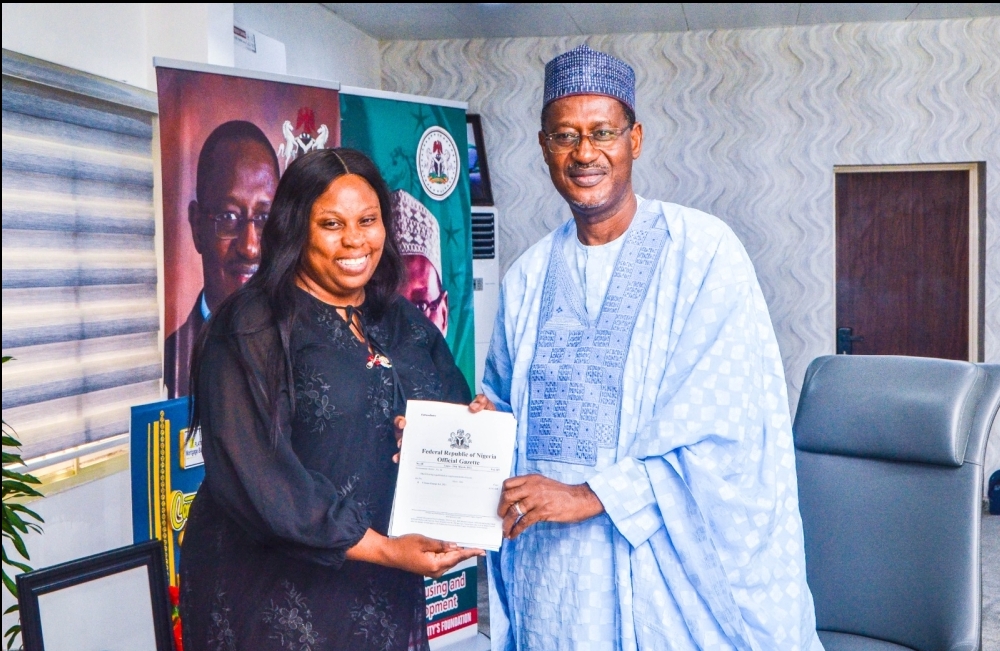
Housing Ministry, Climate Change Council Collaborate to Enhance Climate Resilience in Housing * Agencies committed to UN SDGs 7, 11, 13. Ministry of Housing and Urban Development and National Council on Climate Change (NCCC) have unveiled a working collaboration in order to enhance the achievement of climate resilience in housing and urban development. This was the outcome of the meeting held between the Housing Minister Arc Ahmed Dangiwa and the Director General and Chief Executuve officer of NCCC, Dr Nkiruka Maduwkwe. Dr. Maduekwe led a delegation on a courtesy visit to the office of the Minister of Housing and Urban Development to discuss areas of common interest and collaboration between the two agencies. The Minister emphasized on the importance of the intersection between climate change and the housing and urban development sector, highlighting that urban areas contribute over 70% of global greenhouse gas emissions, with Nigeria facing urbanization rate exceeding 4% annually. While speaking of his commitment to sustainable housing initiatives, the Minister noted that it aligned with the United Nations (UN) development goals 7, 11 and 13, which are Sustainable Cities and Communities; Affordable and Clean Energy, as well as Climate Action. To achieve the SDG goals, Dangiwa showcased the Renewed Hope Cities and Estate program which includes 10,112 energy efficient and climate resilient housing units in 14 locations nationwide, as well as the National Urban Renewal and Slum upgrade project which has successfully completed interventions across 86 out of 106 sites. “The intervention under our slum upgrade is that of sanitation, roads, drainages, refuse disposal, solar street lighting…”, he explained. The Minister expressed his dedication to ensuring that sustainability remains a priority in all the policies, programs, and projects of the Ministry, emphasizing the partnership with the International Finance Corporation (IFC -EDGE) Green Buildings Programme which began last year. He disclosed that through the collaboration, with IFC-EDGE, a Workshop was conducted for all the Ministry’s Technical staff, on Green Building and Construction Methods. Accordingly, Arc. Dangiwa informed that the Ministry also adopted IFC-EDGE’s innovative IT solution to design energy-efficient buildings, optimize water usage, and reduce embedded energy consumption in housing projects. “I also gave a Ministerial directive that all Ministry projects should be designed with efficiency in mind. These initiatives underscore our determination to align Nigeria’s housing sector with global climate adaptation and mitigation strategies,” he said. Speaking earlier, the Director-General and Chief Executive Officer of the National Council on Climate Change (NCCC), Dr. Nkiruka Maduekwe, emphasized the crucial link between climate resilience and urban development. She said the council seeks stronger partnership with the ministry inorder to achieve its goal, stressing on the need for stronger collaboration between the National Climate Secretariat and the Ministry. Dr. Maduekwe informed the Honourable Minister that Nigeria was currently reviewing its Nationally Determined Commission (NDC), following approval by the United Nations to submit an updated version; She requested the Ministry to establish a climate change desk and nominate someone from the Ministry to be part of the National Steering Committee to aid in the review of Nigeria’s NDC. The meeting also featured the presentation of a copy of the Climate Change Act, officially published in the Federal Republic of Nigeria’s gazette, to the Honourable Minister. ...
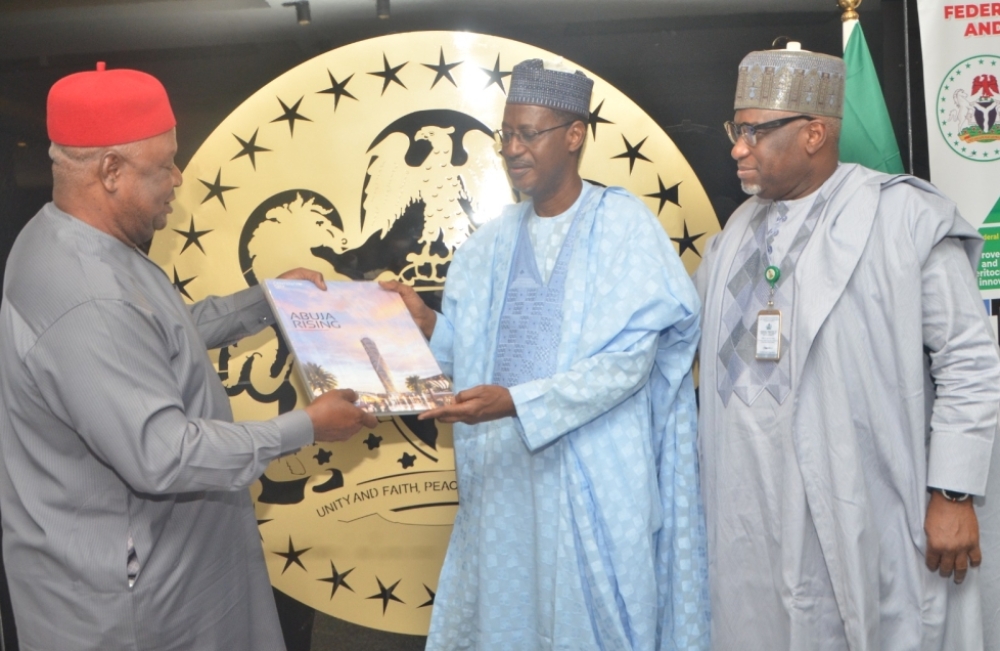
Dangiwa Receives Centenery City Plc Team, Says PPP Reliable Way to Reduce Housing Deficit Minister of Housing and Urban Development, Arc. Ahmed Musa Dangiwa has today received a high level delegation from the Centenary City Plc, led by its Vice Chairman, a one time President of the Nigerian Senate and former Secretary to the Government of the Federation, Anyim Prius Anyim. The Centenary City Project Plc, is a Federal Government Legacy Project to celebrate and mark Nigeria’s centenary in 2014, a master planned development designed to create a smart city, attract global investment and position Nigeria as a prime destination for business and development Dangiwa was glad to note that the concept of the Centenary City Project aligned with the Renewed Hope City agenda being an inclusive city with various living options and facilities such as sports, medical tourism, amongst others. He underscored the importance of engaging the Public Private Partnerships in addressing the housing deficit and create jobs for the people, adding that it was part of the Ministry’s plan under the Renewed Hope Agenda giving that government alone cannot fund the entire housing deficit currently being faced in the Country. “This government has a priority of ensuring that affordable houses are provided to Nigerians, and also creating an enabling environment for public private partnership to flourish”, he said. While disclosing that the Ministry had received some expressions of interest from potential investors, the Minister said that more investors would be invited to explore opportunities at the Centenary City project. Accordingly, Dangiwa directed the department of PPP in the Ministry to engage with the team from the Centenary City PLC for investor partnerships and also introduce them to the Infrastructure Concession Regulatory Commission (ICRC), for partnership. Earlier, the Vice Chairman of the Centenary City PlC, Senator Pius Anyim Pius, emphasized that the vision of the Centenary City aligns with the Renewed Hope Agenda, and called for the Ministry’s collaboration to bring the vision to fruition. He informed that the ministry can partner with the Centenary City Project by sourcing and facilitating the participation of investors and developers. Senator Anyim urged the Ministry to help secure funding that would enable cooperative societies and individuals to own homes in Centenary City. In his welcome remarks, the Permanent Secretary of the Federal Ministry of Housing and Urban Development, Dr. Shuaib Belgore, reaffirmed the commitment of the Ministry to its core mandate of ensuring access to affordable housing for all Nigerians. He assured the delegation that the Ministry remains dedicated to building, maintaining, and managing public housing assets across the country. Highlight of the meeting was the presentation of a Centenary City Project Publications by Senator Anyim, to the Honourable Minister. ...
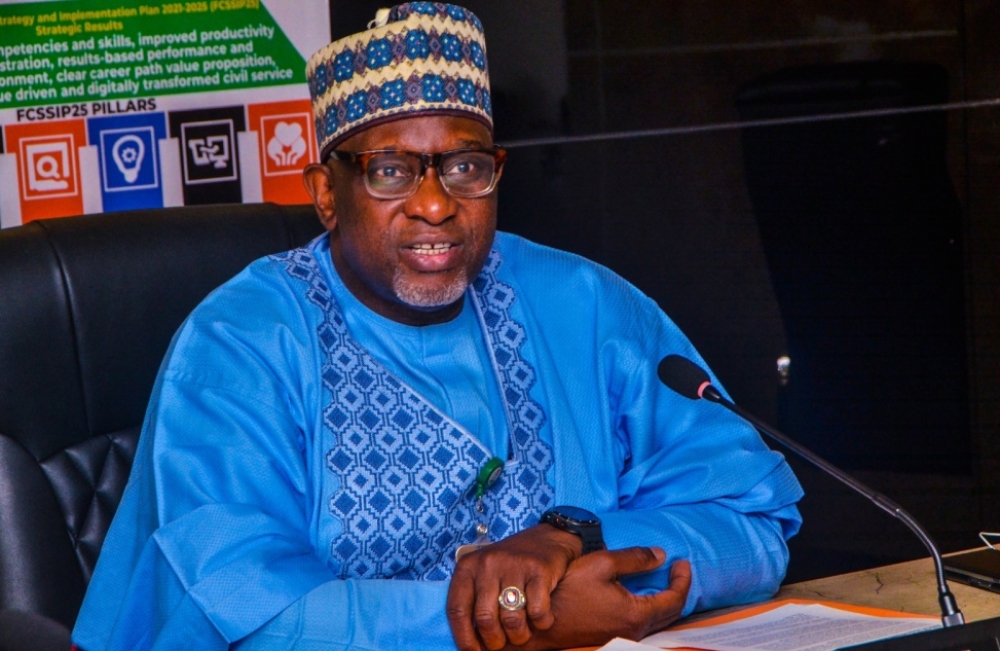
Housing Ministry To Create Task Team On Properties, Lands, Ground Rent in States * Regular field supervision, communication by states' controllers would provide needed update - Belgore The Permanent Secretary, Federal Ministry of Housing and Urban Development, Dr. Shuaib Belgore has informed of the Ministry’s intention to create a Task Team in every state to ensure proper audit of the Ministry's properties and land in the states of the Federation, as well as look into the collection of ground rent on those properties. Dr. Belgore, stated this during his interactive session with the 36 states and FCT Federal Controllers of Housing, held at the Ministry's Headquarters in Abuja. Belgore explained that the task team will include the controller in every state, representatives from the state and Federal Housing Authority, with the Surveyor -General of the Federation as the Chairman of the Task Team. He assured them of his readiness to providing them with the resources they would need to execute their jobs so that they would not have excuse for not doing them correctly, adding that portion of the revenue will be retained for fieldwork and evaluation. On the relevance of the assignment, he stated that "field audits and professional oversight will ensure quality and efficiency", stressing that the importance of regular field supervision and open communication by the controllers would provide needed update to the headquarters on state-level activities. While charging the states' controllers on teamwork for the ministry to be effective in the discharge of its mandate, he described teamwork, hard work, and quality in project execution as essential elements to achieving successes. " The ministry’s effectiveness depends significantly on the collaboration and dedication of its state housing controllers", he stated. He acknowledged the vital role of the Federal Controllers in coordinating the ministry’s projects in the states and ensuring their seamless execution. Accordingly, Dr. Belgore highlighted the necessity of hands-on field experience, noting that effective project management cannot be learned in an office setting, but rather through active engagement on project's sites, informing that their task would include training and mentoring of new officers when the time comes. While expressing concern over the ministry’s human capacity challenges, giving that many officers were close to retirement, he mentioned that the ministry is planning to engage experienced professionals and implement training and mentoring programs of which the Federal Controllers will be involved in field training due to their wealth of experience. On their part, the Federal Controllers requested the Ministry to renew the contracts of facility managers for projects in the states to avoid being vandalised by miscreants. Earlier, Director, Human Resources in the Ministry, Akinola Adeshina, said the meeting summoned at the behest of the Permanent Secretary was to ensure synergy between the headquarters and Federal Controllers. The engagement with state controllers indicates a hands-on approach to addressing operational challenges and enhancing efficiency at both federal and state levels. ...
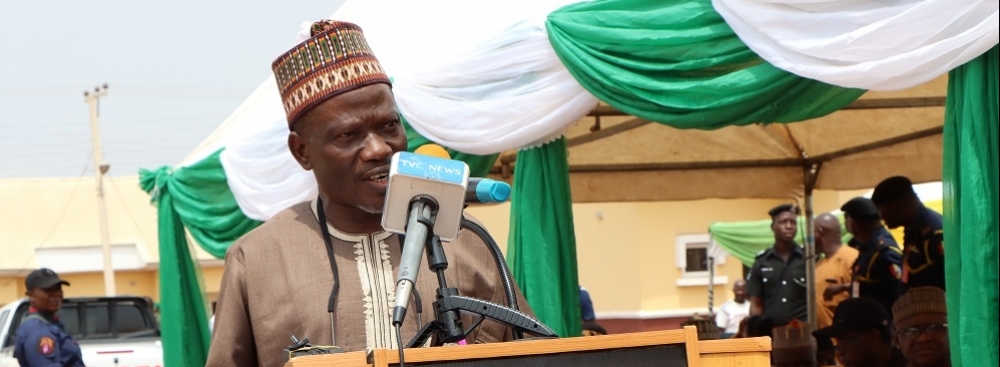
SPEECH BY THE HON. MINISTER OF WORKS AND HOUSING REPRESENTED BY ARC. SOLOMON LABAFILO, DIRECTOR PUBLIC BUILDING & HOUSING DEVELOPMENT AT THE COMMISSIONING OF THE NATIONAL HOUSING PROGRAMME NASARAWA STATE ON MONDAY, 7TH, MARCH, 2022.
On behalf of the Federal Government of Nigeria and President Muhammadu Buhari, I bring glad tidings and best wishes to the people and Government of Nasarawa State.
We gather together to harvest the fruit of our investment and to commemorate the completion of the National Housing Programme’s Pilot in Nasarawa State.
As we head towards the end of President Muhammadu Buhari’s tenure of office, I am happy to also say that we enter a season of completion when many projects such as this begin to bear fruit.
In 34 States of Nigeria, the Federal Government, through the Ministry of Works and Housing, has delivered projects like this with the support of the State Governors who provided the land.
Today in Nasarawa State at Anguwan Rere, Along Shendam Road, Lafia, we have completed and we are handing over 76-units of Housing comprising, 4-units 1 (ONE) Bedroom, 48-units 2 (TWO) Bedroom, 24-units 3 (THREE) Bedroom Bungalows.
There are many things to be said about this project, from its design to the Economic impact and the social impact on this community.
In terms of design, this project is the outcome of a national survey conducted by the Ministry of Works and Housing to find out the type of houses Nigerians desired.
The survey revealed a prevalent need for bungalows in the North of Nigeria and flats in the South of Nigeria.
The survey also revealed the need for space such that our houses have one-bedroom units of 60-70 sq. metres, Two-bedroom units of 76 – 103 sq. metres and Three Bedroom Units 110 – 137 of sq. metres. These are extremely generous spaces compared to what is commonly available in the market.
This certainly ensures that the product that is delivered is acceptable to those it is intended for, while it is competitive in the market.
We have offered all these housing units to members of the general public in a non-discriminatory way by opening the National Housing Portal at https://nhp.worksandhousing.gov.ng/ to ensure that those interested are not inhibited by any artificial obstacles and allocations will be made on the basis of those who apply and pay on a first come, first served basis.
While we welcome those who can afford to pay outright, it is not a condition for eligibility and we have offered flexible payment options like mortgages and rent to own which we encourage applicants to pursue.
The story of these housing projects which are now visible and available in 34 States of Nigeria would be incomplete without the efforts of many Nigerians who contributed to its delivery.
To members of the private sector, especially Architects who volunteered their time to work with Architects and other staff of our Ministry at the conception stage to advise on the design, I thank you for your contribution to Nation building.
To my colleagues in the Federal Executive Council who supported this idea and approved the initiative; your votes have birthed fruits of development and impacted lives.
To the legislators in the 8th and 9th National Assembly and members of the Senate and House Committees on Housing, who questioned, challenged and supported us with year-on-year appropriation and undertook oversight visits to monitor progress, I believe your constituents can see from these houses, some evidence of your representation.
To our contractors, suppliers and all those employed in the building process, I thank you for contributing to nation building.
I will now conclude by inviting Mr. President to conduct the commissioning and handing over of this estate.
Thank you for your attention.
Babatunde Raji Fashola, SAN
Honourable Minister of Works and Housing
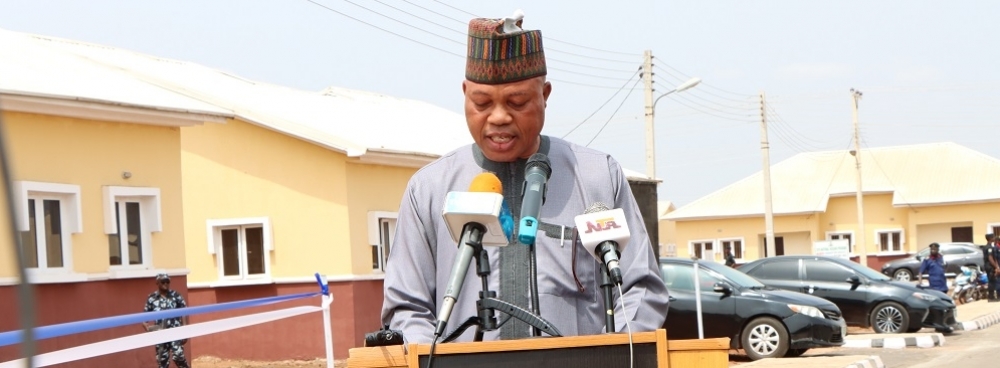
WELCOME ADDRESS BY THE AG. PERMANENT SECRETARY, FEDERAL MINISTRY OF WORKS AND HOUSING, REPRESENTED BY ENGR. VALENTINE NWAIMO, ZONAL DIRECTOR HOUSING NORTH CENTRAL AT THE COMMISSIONING OF THE NATIONAL HOUSING PROGRAMME IN NASARAWA STATE ON MONDAY, 7TH MARCH, 2022.
PROTOCOLS
1. On behalf of the Honourable Minister Babatunde Raji Fashola SAN, Directors and Head of Units, Federal Ministry of Works & Housing, I welcome all distinguished invited Guests, the Royal Fathers and the entire people of Nasarawa State to this event of the commissioning of the first phase of the National Housing Programme Initiative.
2. As part of President Muhammadu Buhari’s developmental agenda of addressing Housing needs in Nigeria, the Federal Government inaugurated a pragmatic National Housing Programme (NHP) for the construction of acceptable and affordable houses nationwide. The first phase of the programme commenced in the 2016, in 34 States and FCT.
3. The National Housing Programme is being implemented by the Ministry of Works and Housing, under the leadership of the Honourable Minister, Mr. Babatunde Raji Fashola, SAN. It is a Programme borne out of the present Government's desire to provide affordable housing for its citizenry.
4. Further to the above, the Ministry is promoting local content in line with the Executive Orders 3 and 5. The use of available local building materials in the National Housing Programme (NHP) has stimulated the
economy through the production and use of the materials. The overall economic value chain arising from the housing construction activities is mostly beneficial to the Nigerian youths.
5. The Ministry has successfully constructed housing schemes under this Programme in 35 States, except for Lagos State where land has not been donated by the state government for the programme. The housing types currently available comprise of 1 Bedroom, 2 Bedroom and 3 Bedroom semi-detached bungalows and condominiums. The Philosophy behind the National Housing Programme is the provision of pilot scheme that is affordable, accessible and acceptable as contained in the National Housing Policy. The approach to the design and use of materials take cognizance of the cultural and climatic peculiarities of the regions while responding also to the tenets of the Building Energy and Efficiency Code (BEEC) being championed by the Ministry.
6. For the benefit of Nigerian on this initiative, over 1,200 building contractors have been engaged under phases I, II and III of the programme since the inception in 2016 and over 14,500 and 50,140 direct and indirect jobs have been created. During this period, the Ministry is undertaking the construction of over 6,000 housing units in 45 sites, out of which 2,465 units have been completed in 35 States and FCT.
7. At this juncture, I welcome you all once again to the commissioning of this laudable initiative in Nasarawa State.
Thank you and God bless you.

Housing Ministry, Shelter Advisory Convene Summit on Renewed Hope Housing PPP

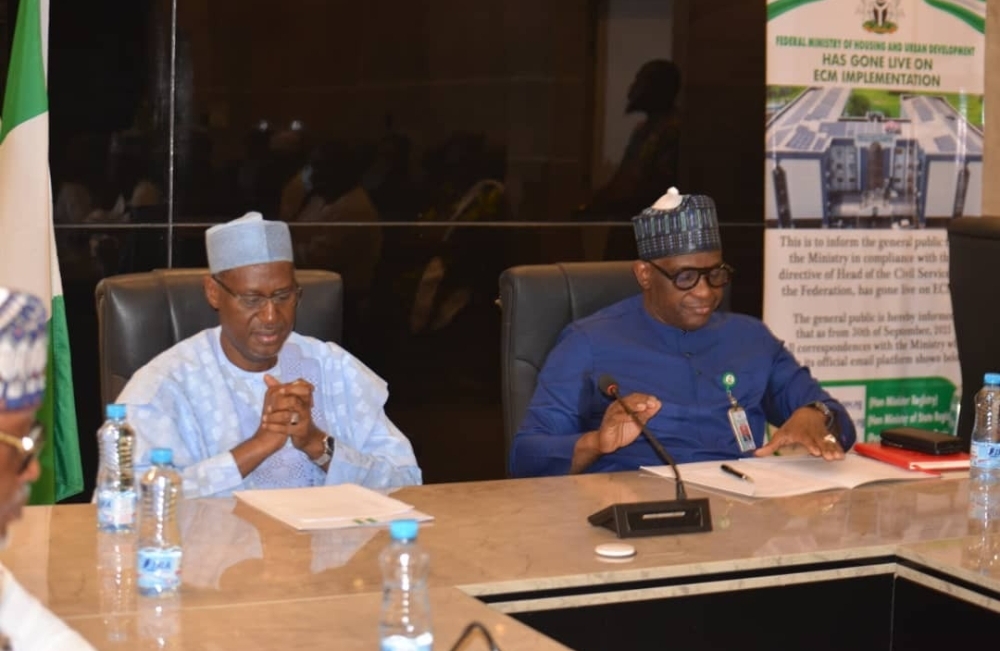
FMHUD 2025 STAFF AWARDS & RECOGNITION CEREMONY, MONDAY, MARCH 30, 2026
FMHUD 2025 STAFF AWARDS & RECOGNITION CEREMONY, Monday, March 30, 2026
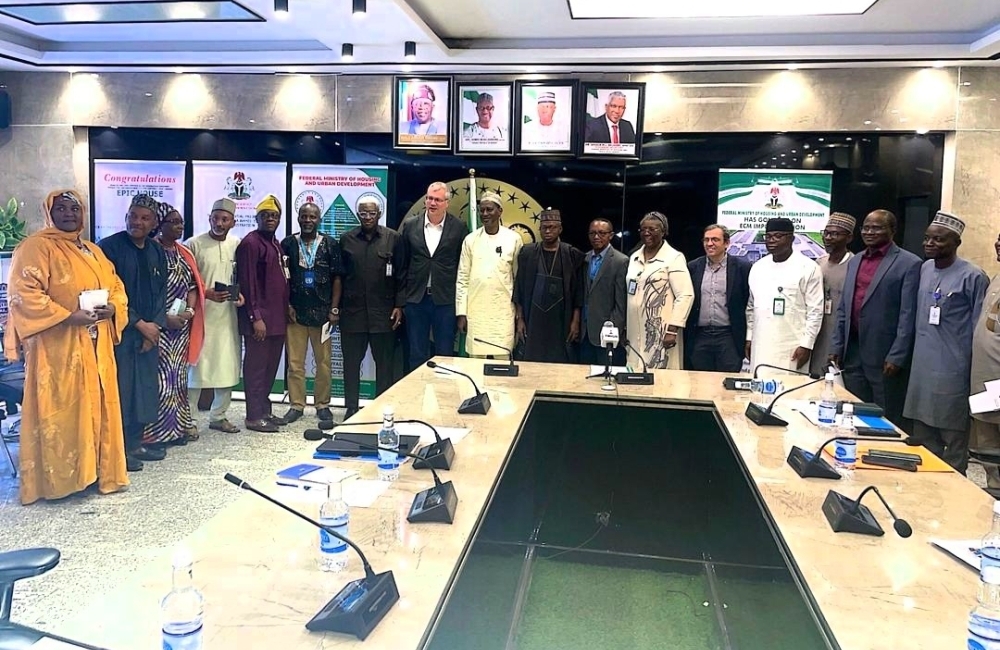
MEETING OF THE HON MINISTER, FMHUD AND HEAD OF UN HABITAT, WEST AFRICA HUB, DAKAR, MR MATHIAS, SPALIVIERO, WEDNESDAY, 25TH FEBRUARY, 2025
Meeting of the Hon Minister, FMHUD and Head of UN Habitat, West Africa Hub, Dakar, Mr Mathias, Spaliviero, Wednesday, 25th February, 2025