Housing Ministry Honours Outstanding Staff at 2025 Ministerial Awards Ceremony
The Federal Ministry of Housing and Urban Development has held its 2025 Ministerial Rewards and Recognition Award Ceremony, reaffirming its commitment to promoting excellence, integrity, and outstanding service delivery within the Civil Service.
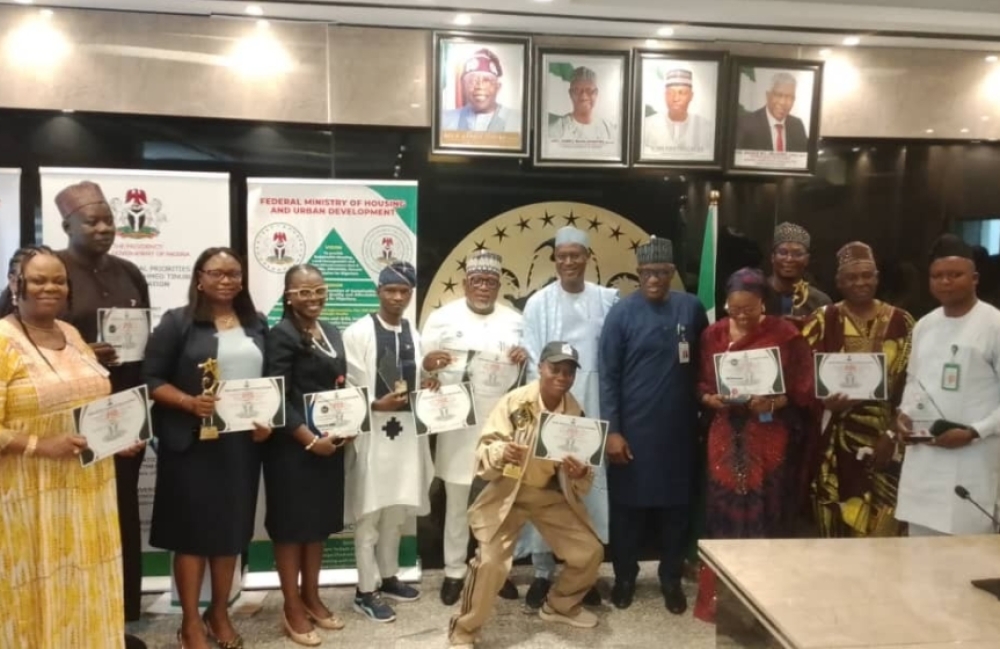
The colourful ceremony, which took place at the Ministry’s Headquarters in Abuja, brought together top management staff, directors, and employees to celebrate eleven exceptional officers whose dedication, professionalism, and performance distinguished them among their peers.
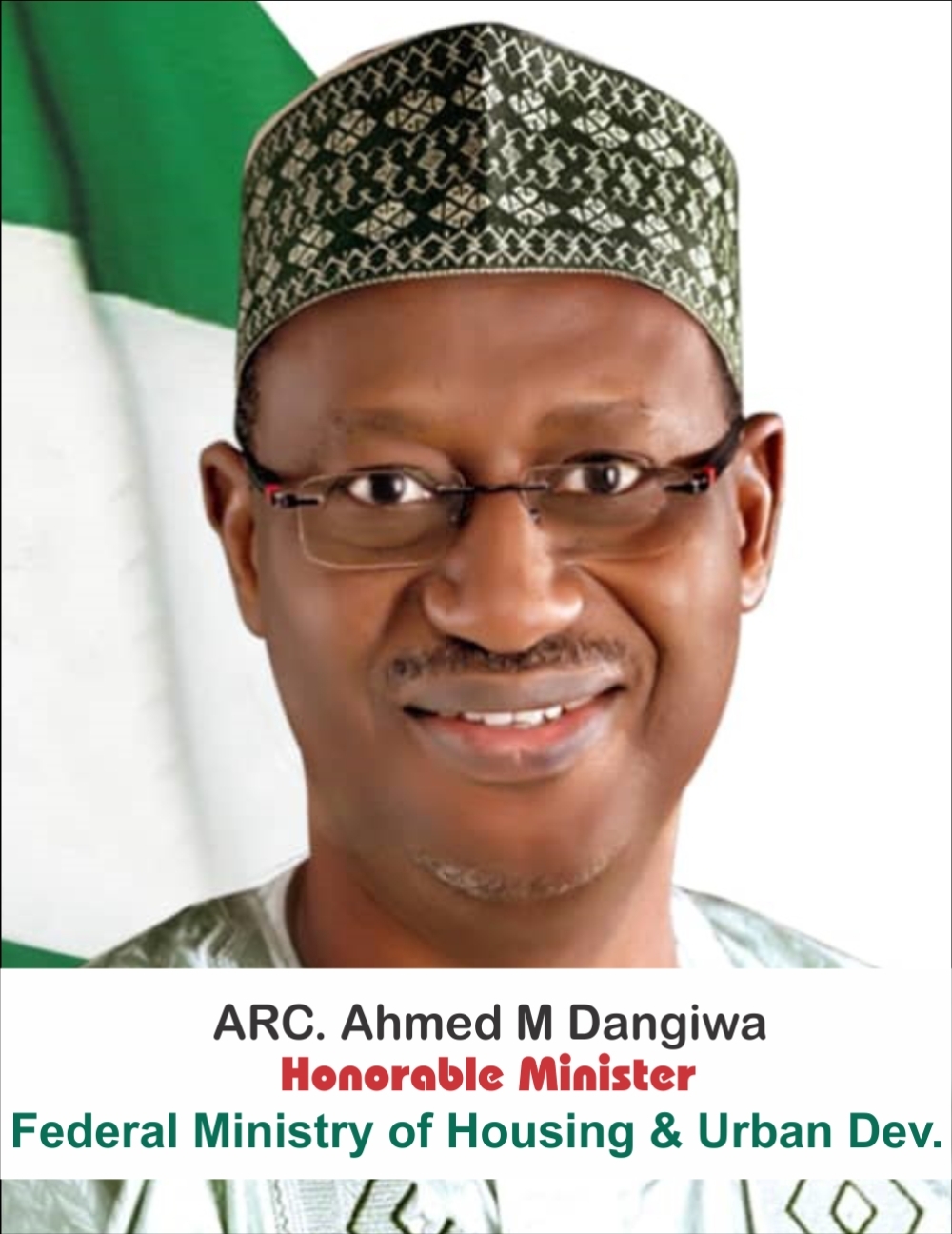
The Honourable Minister of Housing and Urban Development, Arc. Ahmed Musa Dangiwa, stated that the initiative aligns with the directive of the Head of the Civil Service of the Federation to institutionalize a culture of merit-based recognition, productivity, and excellence across Ministries, Departments, and Agencies.
The Minister expressed deep appreciation to the Award Selection Committee for their diligence and transparency in the screening process, noting that their efforts ensured that only truly deserving staff were honoured.
“This occasion is one of the proud moments for the Ministry. I am particularly pleased with the spread of award categories and the quality of awardees selected from across various departments,” he said.
Arc. Dangiwa further emphasized the importance of mentorship in the service, urging Directors and senior officers to deliberately groom and guide younger officers before exiting the system. According to him, sustained mentorship is critical to preserving institutional knowledge and strengthening the future of the Civil Service.
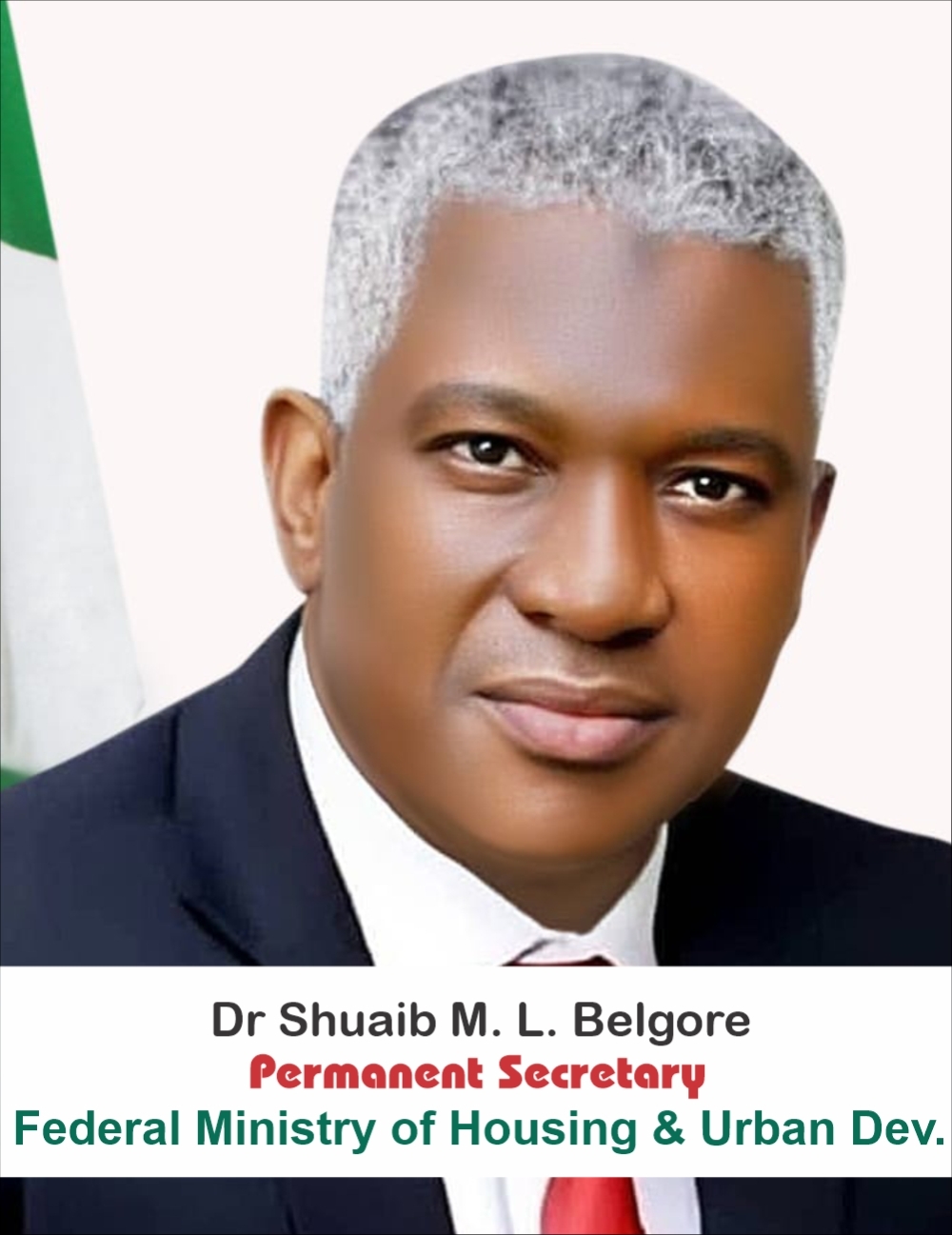
In his opening remarks, the Permanent Secretary, Dr. Shuaib Belgore, described the awards ceremony as a strategic initiative to motivate staff, encourage healthy competition, and reinforce a culture of excellence and accountability.
He noted that the Ministry’s performance at previous national Civil Service Awards, where some staff emerged winners, has further inspired the drive to achieve greater recognition at the national level.
“Our goal this year is not only to participate but to excel by winning multiple awards, including the overall best in the Civil Service category, which comes with significant incentives such as houses, vehicles, and computers,” he stated.
Dr. Belgore explained that while many officers are deserving of recognition, the awardees represent the peak of performance, having emerged through a rigorous and merit-driven selection process. He added that the Ministry has institutionalized a robust recognition system, including monthly staff awards and departmental “Staff of the Month” displays, culminating in the selection of overall best performers.
“Those honoured today have demonstrated consistent excellence and have earned their recognition through hard work and commitment to duty,” he added.
Earlier in his welcome address, the Director of the Special Projects Unit, Mr. Olatunde Ajayi, described the ceremony as a platform to celebrate excellence and inspire others to strive for higher standards of service delivery.
He assured that the selection process adopted by the Ministerial Awards Selection Committee was thorough, transparent, and strictly guided by Federal Public Service policies and guidelines. According to him, the criteria focused on measurable performance, accountability, commitment to service delivery, and continuous improvement.
The 2025 Ministerial Rewards and Recognition Award Ceremony underscores the Ministry’s unwavering commitment to building a motivated workforce driven by excellence, professionalism, and dedication to national development.



The Federal Ministry of Housing and Urban Development has held its 2025 Ministerial Rewards and Recognition Award Ceremony, reaffirming its commitment to promoting excellence, integrity, and outstanding service delivery within the Civil Service. The colourful ceremony, which took place at the Ministry’s Headquarters in Abuja, brought together top management staff, directors, and employees to celebrate eleven exceptional officers whose dedication, professionalism, and performance distinguished them among their peers. The Honourable Minister of Housing and Urban Development, Arc. Ahmed Musa Dangiwa, stated that the initiative aligns with the directive of the Head of the Civil Service of the Federation to institutionalize a culture of merit-based recognition, productivity, and excellence across Ministries, Departments, and Agencies. The Minister expressed deep appreciation to the Award Selection Committee for their diligence and transparency in the screening process, noting that their efforts ensured that only truly deserving staff were honoured. “This occasion is one of the proud moments for the Ministry. I am particularly pleased with the spread of award categories and the quality of awardees selected from across various departments,” he said. Arc. Dangiwa further emphasized the importance of mentorship in the service, urging Directors and senior officers to deliberately groom and guide younger officers before exiting the system. According to him, sustained mentorship is critical to preserving institutional knowledge and strengthening the future of the Civil Service. In his opening remarks, the Permanent Secretary, Dr. Shuaib Belgore, described the awards ceremony as a strategic initiative to motivate staff, encourage healthy competition, and reinforce a culture of excellence and accountability. He noted that the Ministry’s performance at previous national Civil Service Awards, where some staff emerged winners, has further inspired the drive to achieve greater recognition at the national level. “Our goal this year is not only to participate but to excel by winning multiple awards, including the overall best in the Civil Service category, which comes with significant incentives such as houses, vehicles, and computers,” he stated. Dr. Belgore explained that while many officers are deserving of recognition, the awardees represent the peak of performance, having emerged through a rigorous and merit-driven selection process. He added that the Ministry has institutionalized a robust recognition system, including monthly staff awards and departmental “Staff of the Month” displays, culminating in the selection of overall best performers. “Those honoured today have demonstrated consistent excellence and have earned their recognition through hard work and commitment to duty,” he added. Earlier in his welcome address, the Director of the Special Projects Unit, Mr. Olatunde Ajayi, described the ceremony as a platform to celebrate excellence and inspire others to strive for higher standards of service delivery. He assured that the selection process adopted by the Ministerial Awards Selection Committee was thorough, transparent, and strictly guided by Federal Public Service policies and guidelines. According to him, the criteria focused on measurable performance, accountability, commitment to service delivery, and continuous improvement. The 2025 Ministerial Rewards and Recognition Award Ceremony underscores the Ministry’s unwavering commitment to building a motivated workforce driven by excellence, professionalism, and dedication to national development.
Housing Ministry Honours Outstanding Staff at 2025 Ministerial Awards Ceremony
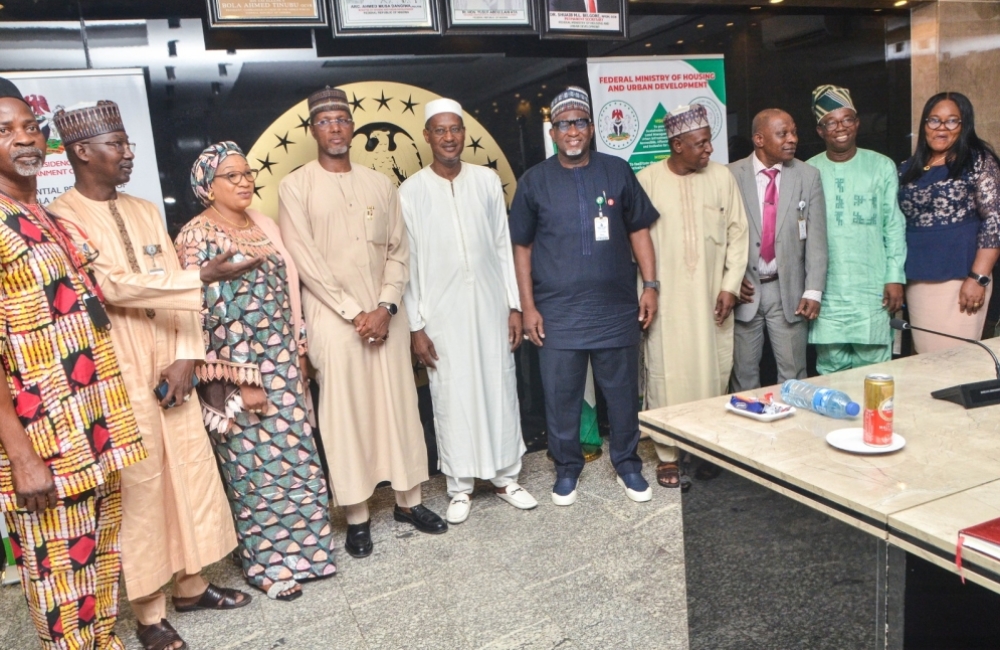
Dangiwa Encourages Continuous Dialogue, Mutual Respect with Civil Servants Union * says consistent staff welfare, a priority Minister of Housing and Urban Development, Arc Ahmed Musa Dangiwa, has encouraged continuous dialogue, mutual respect, and the pursuit of shared goals between the leadership of the civil servants Union and the Management of the Ministry. “Together, we can create a work environment that not only meets the aspirations of our workforce but also drives greater productivity, service delivery, and national development” he said. Dangiwa spoke when he received the National leadership of the Association of Senior Civil Servants of Nigeria (ASCSN) led by its President, Comrade Shehu Mohammed on a couresy vist to the Ministry, Tuesday, April 29th, 2025. Dangiwa expressed the commitment of his leadership to building a Ministry where officers feel valued, opportunities for growth encouraged and welfare of staff consistently prioritized. He appreciated the timely nature and significance of the visit in reflecting the spirit of partnership between organized pressure groups and the government; “It shows that beyond the call of duty, there is a desire on your part to collaborate in building a stronger and more effective public service”, he added. While acknowledging the indispensable role of the Civil Servants in driving the wheels of progress, he recognized that no policy, plan, or reform can succeed without the commitment and dedication of the workforce. The Minister was pleased to inform the Union about the Renewed Hope Housing Programme embarked on by the Ministry, under the Renewed Hope Agenda of President Bola Ahmed Tinubu. He noted that under the programme, Cities are currently being developed in Abuja, Lagos, and Kano states; and the Estates across twelve states nationwide, offering a variety of decent, quality, and affordable homes that civil servants can access. Accordingly, Dangiwa explained that while some units under the Renewed Hope Cities may be priced beyond the immediate affordability of many civil servants, the Renewed Hope Estates, which are being directly delivered and subsidized by the Federal Government, offers affordable options specifically targeted at workers and low to medium-income earners. He enlightened the Union of various structured and flexible financing options available through the Federal Mortgage Bank to include: a 30-year National Housing Fund mortgage loans, Rent-to-Own schemes, Installmental Payment plans, and Outright purchase for those who have the capacity. The Minister encouraged the civil servants to take advantage of the Renewed Hoped Estates and the financing opportunities available through the FMBN. Speaking earlier, the National President of the Association of Senior Civil Servants of Nigeria (ASCSN), Comrade Shehu Mohammed commended the Minister for initiating strategic plans to address the housing deficit in the country, noting that Nigerian civil servants, regardless of their income level, now have access to decent housing. Comrade Mohammed also lauded the Minister’s commitment to resolving the issue of inadequate office space within the Ministry, as demonstrated by the ongoing construction of a new office complex. Commenting on the recent revocation of provisional offers of housing allocation under the National Housing Programme (NHP), the ASCSN President appealed to the Minister to provide another opportunity for civil servants whose offers were revoked due to their inability to meet the payment deadline. He explained that many affected workers were constrained by the declining value of the new minimum wage of N70,000, which has been eroded by rising costs of goods and services. Comrade Muhammad also raised other pressing concerns, including the payment of repatriation allowances for retiring officers, the provision of first 28-days allowances for newly recruited officers, and the prompt disbursement of death benefits to the families of deceased officers. He highlighted the challenges of inadeqate transportation buses for staff and emphasized the need for continuous training and retraining of staff to enhance their productivity and service delivery. While appreciating the Ministry's annual financial contribution to the union's May Day celebration, Comrade Mohammed appealed for an increase in the amount allocated for celebration, citing the prevailing economic conditions and rising prices. In his remarks, the Permanent Secretary of the Ministry, Dr. Shuaib Belgore reaffirmed the ministry's core mandate to ensure access to affordable housing, noting that significant efforts were being made to meet this goal, especially for civil servants, through various ongoing housing projects of the Ministry, across the country. While addressing some of the concerns earlier raised by the Union, Dr Belgore explained the Ministry’s efforts to ensure that staff welfare, training and benefits are prioritized. He informed that the Ministry was making efforts in the area of repatriation to clear backlog of the death benefits and first 28 days, despite the insufficiency of the overhead cost of the Ministry. Accordingly, he assured that the Ministry was making plans to provide four brand new buses for staff of the Ministry, as part of efforts to support staff mobility. He as well promised that further consideration would be made to what has been approved for the May Day celebration. ...
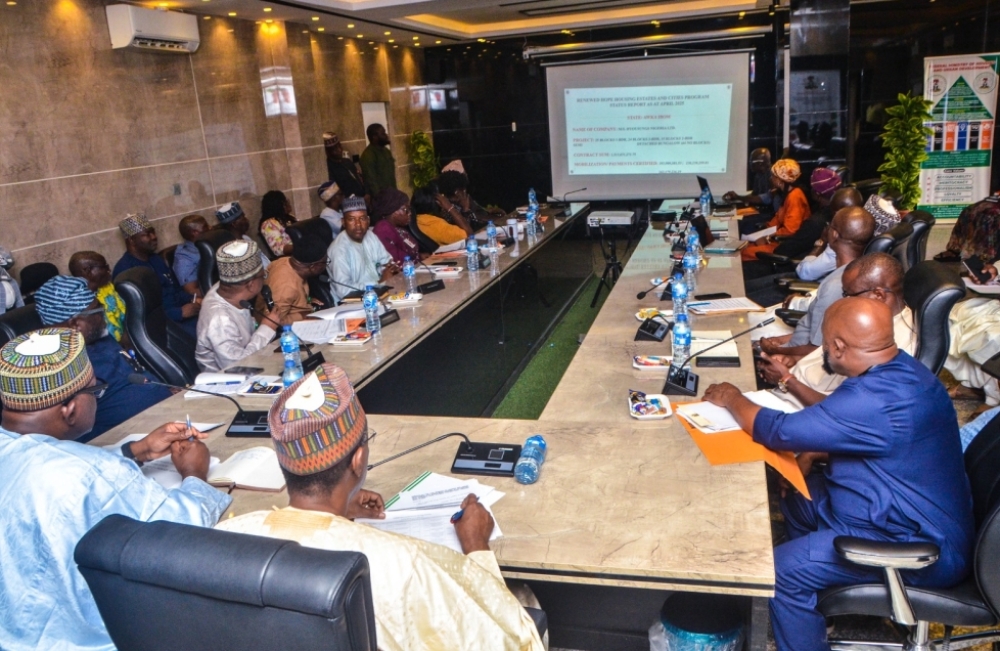
Dangiwa Reads Riot Act to Renewed Hope Housing Developers * Warns of blacklisting non-performing contractors and demolition of substandard works The Honourable Minister of Housing and Urban Development, Arc. Ahmed Musa Dangiwa, has issued a stern warning to developers handling Renewed Hope Housing Projects across the country, urging them to ensure timely delivery and strict adherence to quality standards. Speaking during a status review meeting with developers on ongoing housing projects in several states, the Minister made it clear that the Federal Government will not tolerate negligence, substandard execution, or delays in project delivery. “This administration is committed to doing things differently. Do not assume it’s business as usual. It is not. If you signed a contract with the government, you must deliver accordingly,” the Minister stated emphatically. Arc. Dangiwa declared that non-performing contractors risk being blacklisted—not just from future housing projects with the Ministry, but from all Federal Government housing and infrastructure contracts. He also warned that any substandard structures discovered on project sites will be demolished and the responsible contractors sanctioned. “We are not just building houses, we are building homes. If you collect government funds, you must deliver results. We will not fold our arms and allow incompetence or bad faith to derail the Renewed Hope Agenda,” he said. While expressing appreciation for developers who have shown commitment and professionalism, the Minister reaffirmed the Ministry’s determination to honour all contractual obligations—provided that quality and timelines are respected. In a related directive, Arc. Dangiwa tasked Federal Controllers of Housing in the states to intensify monitoring and supervision efforts on all project sites. He urged them to provide consistent guidance and ensure that construction activities proceed smoothly and in compliance with specifications. The Renewed Hope Housing Programme is a flagship initiative of President Bola Ahmed Tinubu’s administration, designed to expand access to affordable housing for Nigerians and drive inclusive development. ...
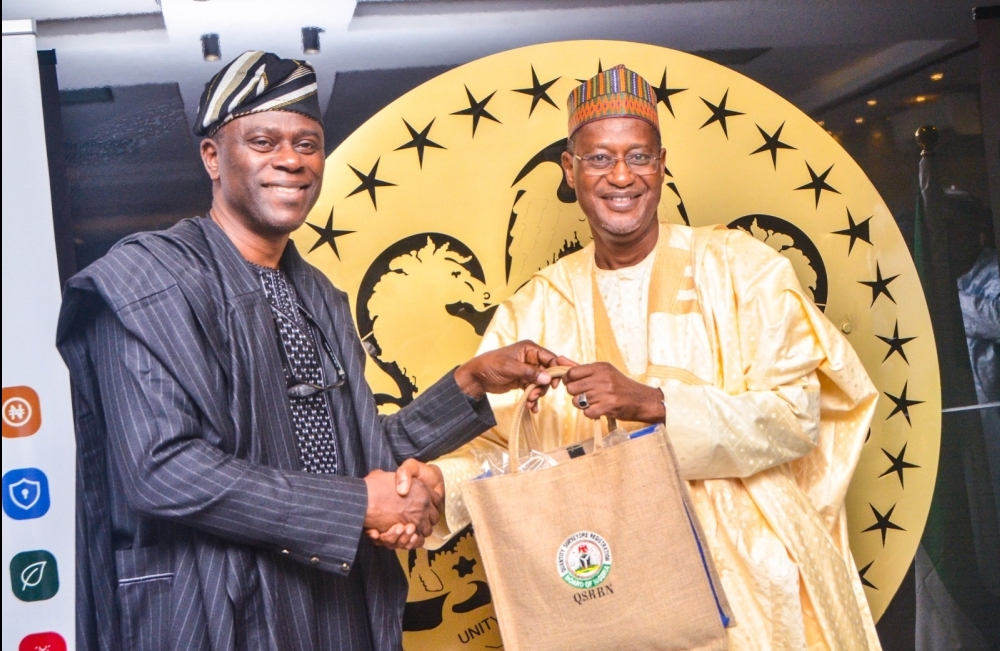
DANGIWA REAFFIRMS COMMITMENT TO SUPPORTING QUANTITY SURVEYORS REGISTRATION BOARD * says board's expertise in cost control, contract administration, procurement auditing, more critical than ever Minister of Housing and Urban Development, Arc. Ahmed Musa Dangiwa has reaffirmed the commitment of the Ministry to supporting the Quantity Surveyors Registration Board of Nigeria (QSRBN,) in order to effectively fulfill its statutory functions. The Minister made this known, Tuesday, 15th April, 2025, when the members of the Quantity Surveyors Registration Board of Nigeria (QSRBN), paid him a courtesy visit at the Ministry’s Headquarters, in Abuja. He acknowledged the role of the QSRBN in the collective efforts to reposition Nigeria’s housing and construction sector for greater efficiency, accountability, and professional excellence, saying that the quantity surveying profession was essential to ensuring cost transparency, value for money, and fiscal discipline in the execution of construction projects. “At a time when we are pushing aggressively to deliver on the Renewed Hope Housing Agenda of His Excellency, President Bola Ahmed Tinubu, GCFR, your expertise in cost control, contract administration, and procurement auditing is more critical than ever”, he explained. While commending the Board for its professionalism, Dangiwa urged them to take their regulatory oversight role seriously by ensuring proper training and licensing of professionals to practice ethically, stating that it was a sure way of safeguarding the integrity of the profession and supporting the government’s agenda of eliminating waste, corruption, and substandard practices in the built environment. The Minister emphasized on the role of the QSRBN in contributing to the sector's development and providing procurement standards, cost estimating methodologies, and benchmarking practices that align with international best practices. “We will also count on your support in strengthening quality assurance and control on our project sites nationwide, particularly under the Renewed Hope Housing Programme, the National Urban Renewal and Slum Upgrade Programme, and the Building Materials Manufacturing Hubs we are working to establish across the six geopolitical zones”, he added. Arc. Dangiwa further encouraged the Board to work closely with the ministry to deepen collaboration, transparency and accountability in housing delivery. On concerns raised by the President of the QSRBN, the Minister gave the assurance that the issues around funding for the Board as well as recovering their hijacked plots of land would be checked and resolved. Accordingly, on the issue of establishing a Building and Engineering Construction Commission under the oversight of the Ministry, Arc. Dangiwa as well promised that it would be looked into. Speaking earlier, the President of the Quantity Surveyors Registration Board of Nigeria (QSRBN), QS. Obafemi Onashile, brought the Minister up to speed with the achievements of the Board since it’s inauguration by the Minister, such as registration of qualified quantity surveyors, organizing of 2024 annual assembly for registered Quantity Surveyors, speedy accreditation of Quantity Surveyor programs in Universities and Polytechnics, among others. He appealed for the Minister’s intervention on some challenges facing the board which includes funding, possession of the Board’s allocated plots of land, lack of coordination and cohesion in the construction industry, awaiting of the Minister’s signature for the update of the regulation of the QSRBN, and more. QS. Onashile further gave some recommendations for the construction sector such as; the establishment of a Building and Engineering Construction Commission under the Housing Ministry for effective regulation of the industry, the need for stricter controls over buildings and structures higher than nine meters. Others are the need to recognize construction health, safety, and environment as an independent qualification, complete professional documentation of all high strictures, need for government construction contracts to have adjudication as the most straightforward route for resolving disputes, among others. The QSRBN President also invited the Honourable Minister for the Board’s 2025 annual QS assembly coming up on the 14th and 15th of May, 2025, as the chairman and guest of honour to declare the Assembly open. Also present during the courtesy visit, the President of the Nigeria Institute of Quantity Surveyors (NIQS), QS. Nzekwe Kene Christopher, presented some reform recommendations that would enhance the Nigerian construction industry. The recommendations include enacting a robust legal framework for construction contracts and robust implementation, establishing specialized construction courts, reviewing of the Federal Housing Authority law for affordable housing, and creating a Construction Industry Development Board, among others. QS. Nzekwe also emphasized on the need for a collaborative partnership with the Ministry to achieve these goals. A notable part of the meeting was the presentation of the NIQRS newsletter to the Minister. ...

SPEECH BY THE HONOURABLE MINISTER, FEDERAL MINISTRY OF HOUSING & URBAN DEVELOPMENT, ARC. AHMED MUSA DANGIWA, AT THE NIGERIA DIASPORA INVESTMENT SUMMIT (NDIS), ON TUESDAY, 14TH SEPTEMBER 2023
PROTOCOL
Vice President, Kashim Shettima Mustapha, GCON,
Excellences and Members of the Federal Executive Council,
Ministers and Permanent Secretaries,
Heads of Parastatals and Agencies,
Heads of International Organizations,
The Diaspora Community,
Members of Civil Society and Non-Governmental Organizations,
The Media and members of the Press,
Distinguished Ladies and Gentlemen,
SPEECH
1. I would like to begin by appreciating and acknowledging the innovative drive of the Nigerian Diaspora Commission (NiDCOM) under the able chairmanship of Hon. Abike Dabiri. We want to thank them for the good work that they are doing in actualizing the mandate of the Commission. Over the years we have seen NiDCOM champion several initiatives and programs that are helping our country leverage the massive potential of our diaspora for national development.
2. This 6th Edition of the Nigeria Diaspora Investment Summit is only one of such strategic programs that are helping to deepen the engagement and participation of the diaspora in Nigeria’s economy across several sectors, including the housing and real estate sector. We have over 20million Nigerians in Diaspora remitting an average of over $24bn per annum.
3. Madam Chairman, we commend your leadership, the support of your team and partners and pray for more strength and wisdom to tap this huge potential.
4. Today, I am delighted to be here and to speak at this Summit under the theme “New Vistas, Aspirations, New Vision: The Diaspora and National Development”.
5. This is because I believe it is important to communicate and assure the Diaspora that Nigeria is open for business in the housing and urban development space. That His Excellency, President Bola Ahmed Tinubu, GCFR, has a bold vision for the sector and is committed to backing it up with the necessary political will to break down all barriers that discourage investment in the sector.
6. As the Minister of Housing and Urban Development, I have taken Mr. President’s vision and am determined to actualize it. Our aim at the Ministry is to implement the most historic housing and urban sector reforms the country has ever witnessed. We want to drive through initiatives that will create an enabling environment for easier, safer, and profitable private sector investments in the sectors.
7. A notable part of our housing sector reforms that is of particular interest to the Diaspora interested in investing in the housing and real estate sector is land reforms. What we envision is a streamlined land administration that cuts through the bureaucratic bottlenecks and systemic inefficiencies to ensure cost effective and efficient access to land for both individuals and investors in our country.
8. Currently, we have a situation where the Land Use Act, which was enacted in 1978 has no complementary institution set up alongside it to provide the necessary framework, guidelines, and regulations for operationalizing it. Under the Renewed Hope Agenda of His Excellency, President Bola Ahmed Tinubu, GCFR, we aim to fix this systemic anomaly. We are working to establish a National Land Commission. Part of their work will be to outline clear implementation guidelines for the Land Use Act to chart a new path of effective land administration in the country.
9. Last week I met with the leadership of the Presidential Technical Committee on Land Reforms, Prof. Peter O. Adeniyi, where I committed to incorporating the comprehensive work, they have done over 14-years in our land reform strategy. As the renowned land reform scholar said, experience shows that a nation can never develop if it does not conduct land reform. This will be done under the Renewed Hope Action Plan for Housing.
10. The second is the nationwide adoption of the Model Mortgage Foreclosure Law. The Model Mortgage Foreclosure Law (MMFL) provides contemporary provisions on the creation, registration, and enforcement of mortgages, along with remedies like foreclosure and the enforcement of mortgages on real properties and related purposes in Nigeria.
11. As of date, the Model Mortgage Foreclosure Law (MMFL) has been passed in only four (4) states, including Lagos, Kaduna, Ekiti, and Nasarawa States. We aim to drive its passage in all the states of the federation as part of our efforts to ensure that investments in the housing and mortgage sector are protected.
12. Under the Renewed Hope Agenda of His Excellency, we are also particular about boosting local manufacturing of building materials. Nigeria’s shortfall in the supply of quality housing stock presents a good opportunity for investors. To drive this, we aim to create an enabling environment for private sector players to produce building materials locally to lower cost, create jobs, grow the local economy, and ultimately ensure inclusive growth. To do this we are planning to establish six (6) manufacturing hubs – one in each of the six (6) geo-political zones in the country. The hubs will be provided with relevant facilities, including access roads, electricity, fit for purpose housing and relevant linkages for manufacturers to site their firms and operate. We are also proposing relevant incentives that will make it more profitable and rewarding for the private sector to manufacture building materials locally.
13. Personally, I do not worry much about the challenges that we have in our country today and I encourage each one of us, especially our diaspora, to have that mindset. These challenges represent opportunities for us to make a difference and chart a more progressive path forward. And I think that is the essence of this Summit.
14. The good news is that we now have a President who is a visionary, a problem solver, a game changer with the political will to get the right thing done. And as a Ministry, we are willing to support Diaspora initiatives in the housing and urban development space as well as encourage partnerships with the Diaspora towards making a change in the housing and urban development narrative of our dear country.
15. It is important for me state that when we think about the Diaspora, we are not only thinking of them as sources of finance to develop our country, but we also see them as Nigerians, who though abroad, are desirous of owning homes in Nigeria.
16. It is in line with this thinking, that when I was the Managing Director/Chief Executive of the Federal Mortgage Bank of Nigeria (FMBN), I developed the Diaspora Housing Mortgage Loan in collaboration with the Nigerians in Diaspora Commission (NiDCOM).
17. The Diaspora Housing Mortgage Scheme is designed to enable Nigerians living overseas participate in the National Housing Fund (NHF) Scheme so they can access up to N50million to own their homes in Nigeria. Participants can access the loan via a National Housing Fund (NHF) loan, Rent-to-Own or the Individual Construction loan window. The terms are affordable and best market rates. This includes a single-digit interest rate of 9%, and a payback period of up to 10 years.
18. As part of the initiative, the Federal Mortgage Bank of Nigeria will facilitate the construction of affordable housing units in major cities that meets the specifications of Nigerians in Diaspora.
19. I want to say that the FMBN is not the only agency under the Ministry of Housing and Urban Development that is delving into catering to the housing needs of the Diaspora. The Federal Housing Authority (FHA)is also involved as part of the Ministry’s sector wide effort to cater to the Diaspora. They have undertaken to develop the Diaspora City Project under a Public Private Partnership comprising the FHA, The Nigerians in Diaspora Commission (NIDCOM) the Federal Capital Territory (FCT) and the private sector. The Project is situated in Maitama 2, with over 675 hectares of land. The FCT administration has committed to opening the road and providing the relevant infrastructure. The Diaspora City project is designed to have bungalows, semi-and detached duplexes, and mansions to reflect its inclusive essence.
20. Our overall goal is to ensure that as our brothers and sisters’ sojourn abroad, they also have a decent shelter over here in Nigeria to call their home.
21. So, today, I want to say that I am excited to be the Minister of Housing and Urban Development to launch the Diaspora Mortgage Scheme, which I initiated as the MD/CE of the Federal Mortgage Bank of Nigeria on this auspicious occasion. Indeed, I consider it a positive twist of fate and I want to use this opportunity to urge Nigerians in the diaspora to seize the opportunity the Scheme affords them to actualize their dreams of owning affordable homes in Nigeria.
22. I am aware that the Mortgage scheme is set to be formally launched in the United Kingdom, Canada, and the United States soon, and it is my hope that the diaspora community would take full advantage of this opportunity and massively subscribe to reap its short and long-term benefits.
23. As I conclude my speech, I would like to assure you of the Federal Ministry of Housing and Urban Development’s commitment to sustaining the necessary collaborations, partnerships, and engagements with all relevant Stakeholders in the Housing and Urban Development sector, as we all work together towards ensuring the success of the Diaspora Housing Mortgage scheme, providing affordable housing, and ensuring sustainable urban development for Nigerians.
24. Thank you for your attention and may God bless Nigeria.
Arc. Ahmed Musa Dangiwa
Honourable Minister of Housing of Urban Development
14th November 2023
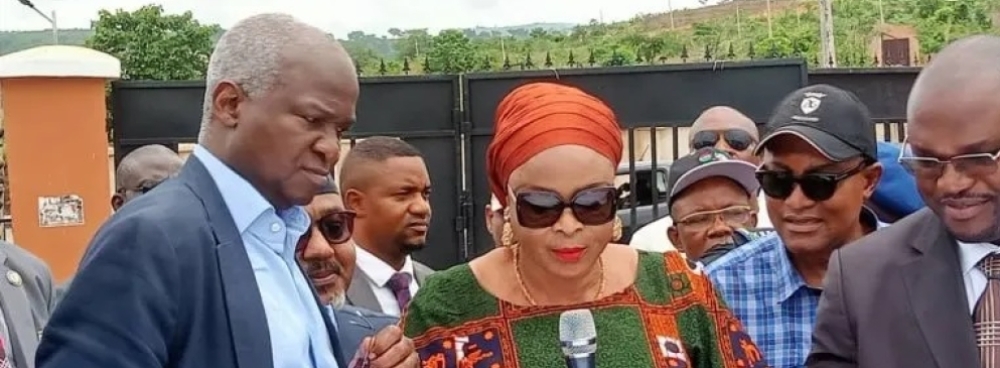
Remarks Of H.E Babatunde Raji Fashola SAN At The Commissioning Of FMBN-I-Connect Cooperative Housing Estate, Transekulu, Enugu, Enugu State On Tuesday 16th May 2023
Distinguished Ladies and Gentlemen:
One Hundred and Fifty Units of Housing only symbolize our Government’s very deep footprint in Housing Provision in Enugu State.
These 150 Units are part of a 404 Housing Unit Provision in Enugu State all of which have been completed.
The 404 Units represent yet another part of a larger number 1,520 units in 9 projects all of which have been completed except 3 projects.
This is part of the multi-pronged response of our Government to the challenges of multi-dimensional poverty.
A total of 1,520 new home owners in one state of Nigeria deserves attention because it represents change.
This is proof that the determination to lift people out of poverty is real.
No matter the size of the challenge and the number of people involved, a commitment such as this FMBN-I-Connect housing project, that is faithfully implemented, begins to chip away, and replace problems with solutions.
A few days ago, President Muhammadu Buhari personally opened a 748-unit Housing Estate in Zuba, Federal Capital Territory.
In the weeks and months before now, Directors of the FMBN have been doing exactly the same thing in their various estates across Nigeria.
Today on behalf of the Federal Government, the train of prosperity stops in Enugu to create 404 new home owners.
To them I say congratulations and bye-bye to poverty.
But I must tell you that these are not the only beneficiaries.
Surveyors, Architects, Construction companies, their employees, artisans, suppliers, transporters and many more involved in the construction section of the economy have benefitted directly and indirectly.
In all, well over a thousand individuals and seventy different small businesses were involved here.
Indisputably, whether President Buhari meets these people or not, and it is not likely he can meet all of them, his policies, programmes and projects have met them at their point of need.
New policy reforms have also recently been implemented with regard to title documents by digitizing the Federal Lands Registry.
After scanning 50,000 files of over 2.4 million pages, the first set of e-C of Os were presented last week Friday 12th May 2023.
This is another measure of prosperity because land with title has more value than land without.
Furthermore, our processes which used to take between 30-90 days can now be completed in 24 hours if all requirements are provided.
This is also a departure from poverty if you agree that time is money.
Of course, it follows that these title documents will become documents of critical economic inclusion as collateral for access to credit by way of mortgages or other means.
These are indisputably solid building blocks of prosperity against poverty.
A lot has been done and is being done with regard to housing provision by State Governments and the Private Sector.
While that work continues, it is my pleasure to acknowledge what FMBN and their developers have done here and elsewhere and to commission this Estate.

Housing Ministry, Shelter Advisory Convene Summit on Renewed Hope Housing PPP

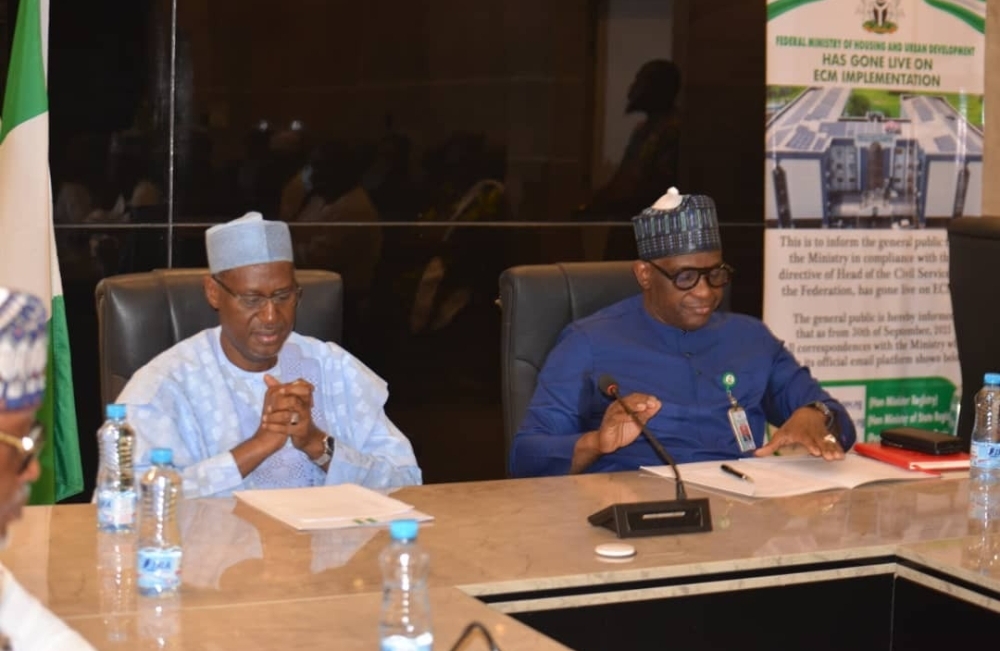
FMHUD 2025 STAFF AWARDS & RECOGNITION CEREMONY, MONDAY, MARCH 30, 2026
FMHUD 2025 STAFF AWARDS & RECOGNITION CEREMONY, Monday, March 30, 2026
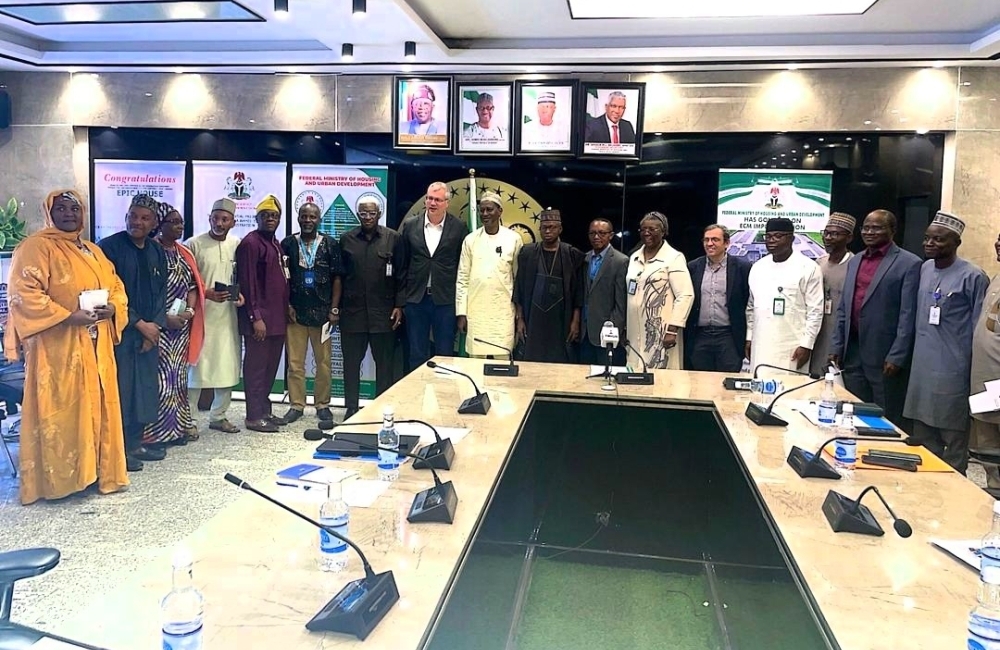
MEETING OF THE HON MINISTER, FMHUD AND HEAD OF UN HABITAT, WEST AFRICA HUB, DAKAR, MR MATHIAS, SPALIVIERO, WEDNESDAY, 25TH FEBRUARY, 2025
Meeting of the Hon Minister, FMHUD and Head of UN Habitat, West Africa Hub, Dakar, Mr Mathias, Spaliviero, Wednesday, 25th February, 2025