Housing Ministry Trains Agencies, Developers on PPP, Joint Ventures Housing Development
* Training session, part of activities lined up for the Renewed Hope Housing PPP Summit
Ministry of Housing and Urban Development is set to train heads of housing agencies and developers on leveraging Public-Private-Partnerships and Joint Ventures for housing development.
The training titled “Leveraging PPPs and Joint Ventures for Housing Development” will be conducted in collaboration with Shelter Advisory Services Limited. It is aimed at structuring housing financing in the implementation of viable housing ppps to accelerate housing delivery in Nigeria.
The training session is part of activities lined up for a Summit on Renewed Hope Housing PPP designed for a high-level policy and transaction platform, dedicated to advancing structured PPP for housing delivery in Nigeria.
Stakeholders from federal and state, policy makers, legislators, institutional investors, developers, and development partners will gather to review and align policy frameworks with implementable housing projects.
Essentially, the Summit seeks to move the housing conversation beyond strategy into sustained delivery, translating policy clarity into investable projects and measurable impact for Nigerian cities and communities.
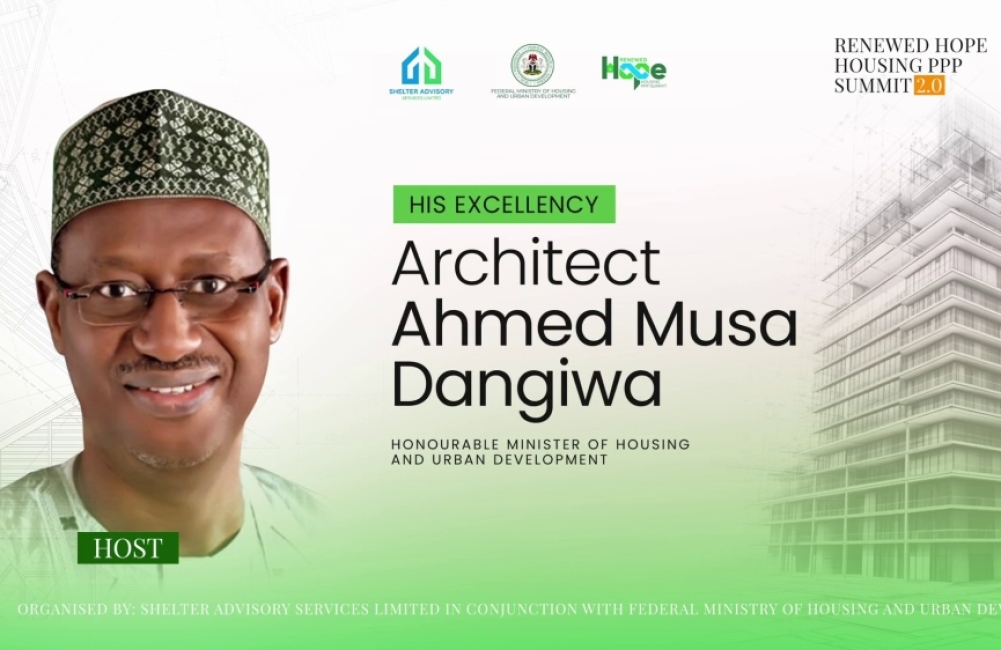
Minister Dangiwa, stated that the Renewed Hope Housing PPP Summit is aimed at accelerating large -scale housing delivery in Nigeria, under the theme “From Policy to Projects: Financing and Delivering Housing at Scale through PPPs”.
" The central objective of the Renewed Hope Housing PPP Summit: is to bridge the gap between well-articulated policies and tangible, bankable housing projects on the ground", Dangiwa stated.
It will provide a practical, transaction-focused platform where the stakeholders would engage on how to structure, finance, and implement viable housing PPPs, with emphasis to be placed on project pipelines, financing instruments, risk-allocation frameworks, and successful delivery models that can be replicated across states", Dangiwa further stated.
The Chief convener Shelter Advisory, Dr. Olayemi Rotimi-Shodimu, explained that " the Summit recognises Public–Private Partnerships (PPPs) as the most viable pathway for mobilising long-term finance, aligning public land and infrastructure with private sector expertise, and delivering housing at the scale Nigeria urgently requires".
The summit's Keynote will be delivered by Elena Panaritis, Founder of Thought4Action and an international expert in property rights reform, informal economies, and PPP driven housing development.
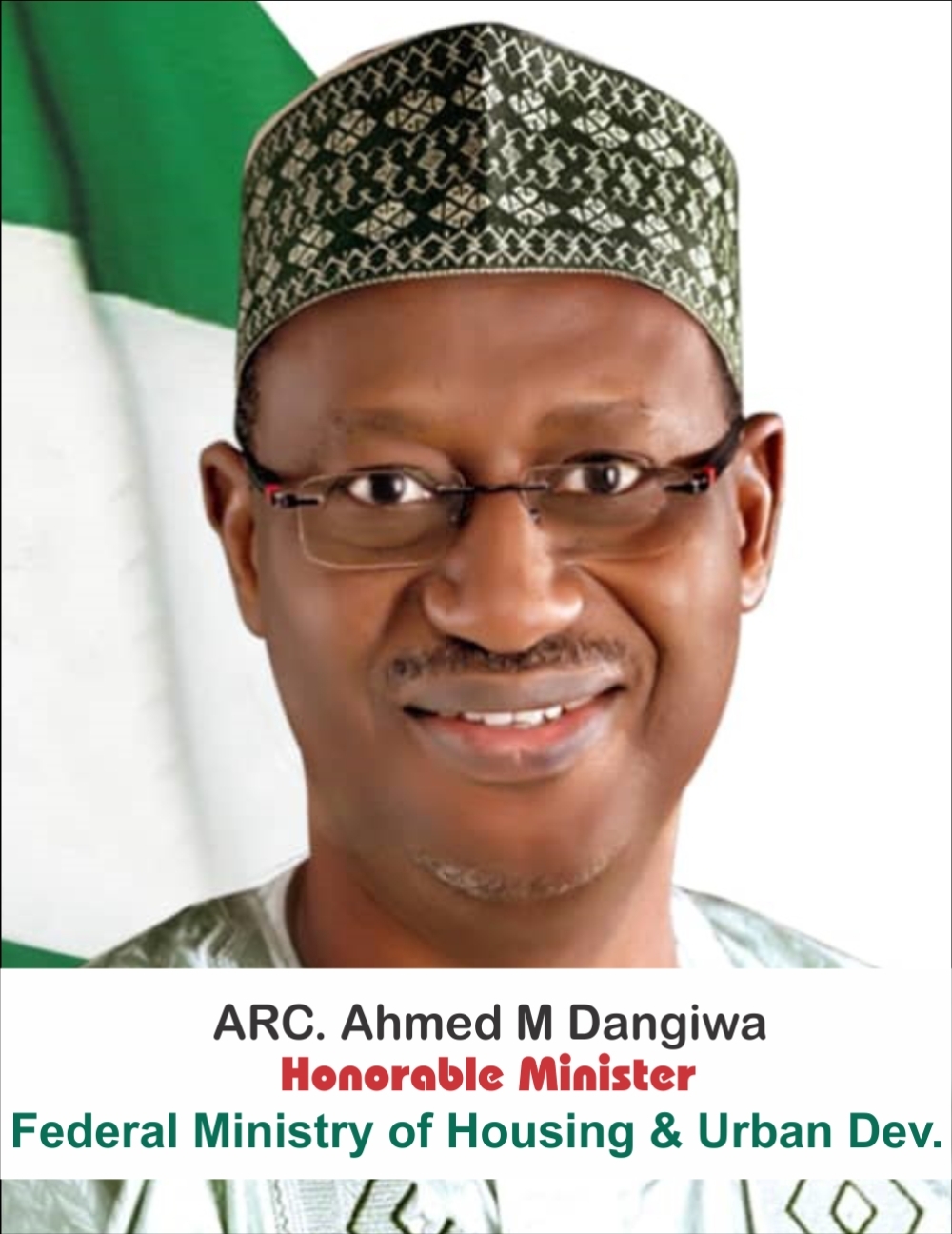
Vice President, Kashim Shettima, is expected to serve as the Special Guest of Honour, with a Ministerial Address to be delivered by Arc. Ahmed Musa Dangiwa, Minister of Housing and Urban Development.
Chairmen of the National Assembly housing commitees in the Senate and House of Representatives are also expected to make presentations at the Summit.



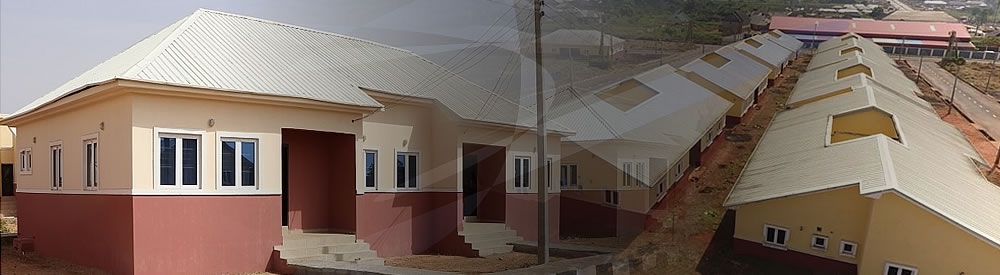




Housing Ministry Trains Agencies, Developers on PPP, Joint Ventures Housing Development Ministry of Housing and Urban Development is set to train heads of housing agencies and developers on leveraging Public-Private-Partnerships and Joint Ventures for housing development. The training titled “Leveraging PPPs and Joint Ventures for Housing Development” will be conducted in collaboration with Shelter Advisory Services Limited. It is aimed at structuring housing financing in the implementation of viable housing ppps to accelerate housing delivery in Nigeria. The training session is part of activities lined up for a Summit on Renewed Hope Housing PPP designed for a high-level policy and transaction platform, dedicated to advancing structured PPP for housing delivery in Nigeria. Stakeholders from federal and state, policy makers, legislators, institutional investors, developers, and development partners will gather to review and align policy frameworks with implementable housing projects. Essentially, the Summit seeks to move the housing conversation beyond strategy into sustained delivery, translating policy clarity into investable projects and measurable impact for Nigerian cities and communities. Minister Dangiwa, stated that the Renewed Hope Housing PPP Summit is aimed at accelerating large -scale housing delivery in Nigeria, under the theme “From Policy to Projects: Financing and Delivering Housing at Scale through PPPs”. " The central objective of the Renewed Hope Housing PPP Summit: is to bridge the gap between well-articulated policies and tangible, bankable housing projects on the ground", Dangiwa stated. It will provide a practical, transaction-focused platform where the stakeholders would engage on how to structure, finance, and implement viable housing PPPs, with emphasis to be placed on project pipelines, financing instruments, risk-allocation frameworks, and successful delivery models that can be replicated across states", Dangiwa further stated. The Chief convener Shelter Advisory, Dr. Olayemi Rotimi-Shodimu, explained that " the Summit recognises Public–Private Partnerships (PPPs) as the most viable pathway for mobilising long-term finance, aligning public land and infrastructure with private sector expertise, and delivering housing at the scale Nigeria urgently requires". The summit's Keynote will be delivered by Elena Panaritis, Founder of Thought4Action and an international expert in property rights reform, informal economies, and PPP driven housing development. Vice President, Kashim Shettima, is expected to serve as the Special Guest of Honour, with a Ministerial Address to be delivered by Arc. Ahmed Musa Dangiwa, Minister of Housing and Urban Development. Chairmen of the National Assembly housing commitees in the Senate and House of Representatives are also expected to make presentations at the Summit.
* Training session, part of activities lined up for the Renewed Hope Housing PPP Summit
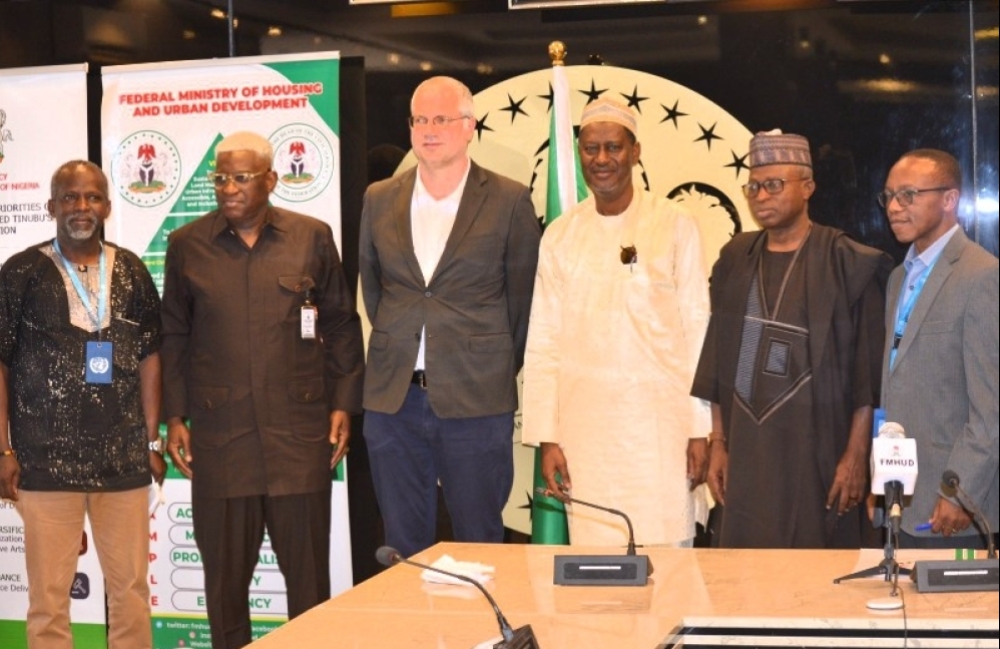
FG Commends UN-Habitat Support for Displaced Persons * Pushes For Expanded Climate Responsive Housing Initiatives The Federal Government of Nigeria has commended the European Union-funded Sustainable Integrated Development Program for Internally Displaced Persons in Nigeria (SIDPIN), praising it for delivering durable housing solutions, strengthening community integration, and improving living conditions for displaced persons and host communities. The Minister of Housing and Urban Development, Arc. Ahmed Musa Dangiwa made this commendation in a meeting with a delegation from the UN-Habitat, at the Ministry’s headquarters in Abuja. While acknowledging the UN-Habitat’s ongoing support through SIDPIN in Adamawa, Kano, and Borno states, he emphasized their alignment with the Ministry’s priority of rebuilding livelihoods and strengthening social cohesion in post-conflict areas. Dangiwa also recognized the program’s support in reviewing the National Urban Development Policy, alongside its contribution to planning reform, and the offer of a consultant for the National Land Registration Documentation and Titling Programme (Land4Growth), urban renewal initiatives, and slum upgrading program’s. “These interventions are vital as Nigeria confronts rapid urbanisation that demands coordinated planning, sustainable infrastructure, and climate-responsive development”, He said. The Minister highlighted the importance of interventions in sustainable infrastructure, climate resilience, and resource management, emphasizing on the need for coordinated planning and sustainable infrastructure in the face of rapid urbanization. He, however, regretted that budgetary constraints were hampering the Ministry’s clear policy direction and strong ambitions, slowing the pace and limiting the scale of implementation, particularly in the delivery of climate-responsive housing and urban resilience initiatives. According to the Minister, this reality compels the Ministry to explore innovative financing mechanisms beyond traditional budgetary allocations. He noted that while the Ministry recognizes the numerous opportunities presented by its partnership with UN-Habitat, it is also mindful of the challenges involved in meeting its obligations under the existing Memorandum of Understanding (MoU). Arc. Dangiwa mentioned some of the opportunities to include facilitating access to international climate finance from global funding institutions, mobilising resources for social housing programmes targeting vulnerable populations, and advancing women-focused housing initiatives, acknowledging that women are disproportionately affected by climate change impacts and conflict-induced displacement. He expressed the ministry's deep appreciation for its collaboration with UN-Habitat and the potential for accelerating affordable housing delivery and the development of resilient, inclusive, and climate-smart cities. Responding to the UN- Habitat’s invitation to the up coming Africa Urban Forum in Nairobi, Kenya, and the World Urban Forum in May, the Minister acknowledged both as important events for which the ministry will ensure representation. Earlier in his remarks, the Head (UN Habitat) West Africa Hub Dakar, Senegal Mr. Mathias Spaliviero reaffirmed the agency’s strong institutional partnership with the Federal Government of Nigeria, emphasizing that collaboration remains a priority regardless of funding cycles. He provided updates on ongoing interventions by the UN-Habitat, highlighting a major joint programme being implemented in collaboration with International Organization for Migration and United Nations High Commissioner for Refugees. He noted that the initiative focuses on delivering sustainable, durable solutions for internally displaced persons (IDPs) through structured urban integration strategies across Kano, Yobe, Adamawa, and Benue States. According to him, the programme adopts a multi-scale planning approach and has recorded encouraging progress, with state governments demonstrating increasing ownership and responsiveness. Mr. Spaliviero further extended an invitation to the Honourable Minister to participate in the upcoming Africa Urban Forum in Nairobi, Kenya, as well as the forthcoming World Urban Forum convened by UN-Habitat. ...
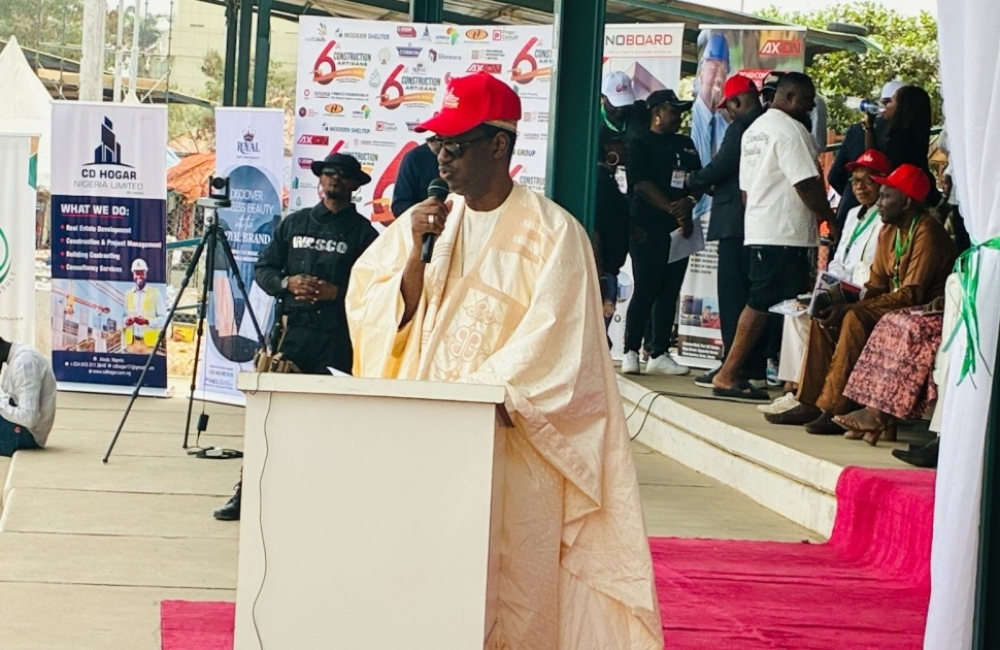
Construction Artisans Are Builders of Nigeria’s Future – Dangiwa The Honourable Minister of Housing and Urban Development, Arc. Ahmed Musa Dangiwa, has reaffirmed the Federal Government’s commitment to strengthening Nigeria’s skilled construction workforce, describing artisans as critical drivers of housing delivery, economic growth, and national development. Speaking at the 6th Construction Artisans Awards (CAA 2026) in Abuja, the Minister said the event celebrates the skilled men and women “whose hands literally build Nigeria,” while promoting professionalism, certification, and pride in technical craftsmanship. He noted that the two-day programme, which featured screening, practical assessments, competitions, and upskilling workshops, demonstrated discipline, innovation, and professionalism among participants. According to the Minister, the initiative has evolved into a national platform that raises standards in the construction sector by integrating competency assessments, certification pathways, and skills development. Dangiwa explained that under President Bola Ahmed Tinubu’s Renewed Hope Agenda, housing is being repositioned not merely as a social service but as a powerful economic engine capable of creating jobs, stimulating supply chains, and expanding opportunities across the economy. He, however, expressed concern over Nigeria’s shortage of certified construction artisans, noting that the quality of buildings reflects the quality of skills available. “The construction sector remains one of Nigeria’s largest employers. Every housing unit built creates work for masons, carpenters, electricians, plumbers, welders, tilers, painters and many others. But we must move from labour to skilled labour,” he stated. The Minister highlighted the Ministry’s National Artisan Skills Acquisition Programme (NASAP), which aims to train artisans, support certification to national competency standards, and connect them to employment opportunities through a digital marketplace and national database. “This ensures that training leads to work, certification builds credibility, and skills translate into income. NASAP is not just training — it is economic empowerment,” he said. He commended Family Homes Funds Limited for leveraging development partnerships to train construction artisans nationwide, linking skills training directly to housing delivery and improving quality and livelihoods. Dangiwa also acknowledged ongoing Technical and Vocatio nal Education and Training (TVET) reforms by the Federal Ministry of Education and the National Board for Technical Education, stressing that a strong TVET system is essential for producing the skilled workforce required for modern construction. He emphasised that delivering housing at scale requires strengthening skills development, certification systems, construction finance, local building materials production, and adoption of modern building technologies. “The Construction Artisans Awards elevate the dignity of skilled work, inspire young Nigerians to pursue technical careers, and strengthen the workforce pipeline Nigeria urgently needs,” he said. The Minister concluded by recognising artisans as builders of communities and livelihoods, stressing that Nigeria must be known not only for the number of homes it builds but also for the quality of craftsmanship behind them. ...
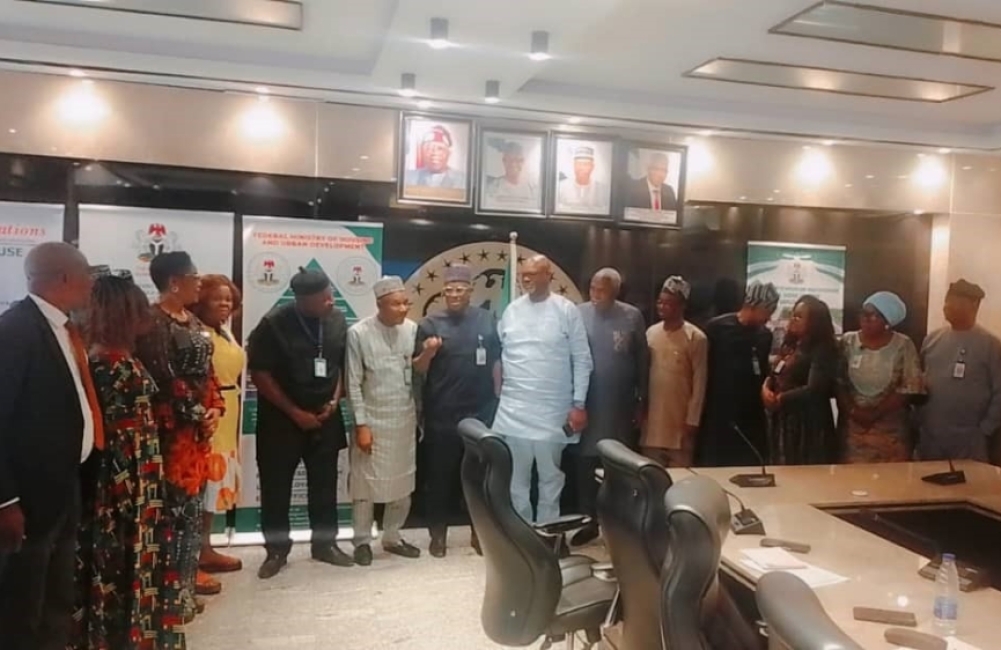
Housing Ministry Holds Seminar on Data Protection Act Compliance for Directors * Ministry committed to Stronger Data Accountability Culture - Belgore In line with the provisions of the Nigeria Data Protection Act (NDPA 2023), an awareness Seminar on Annual Data Protection and Compliance Audit was organized for the Directors of the Federal Ministry of Housing and Urban Development. The NDPA 2023 represents a landmark achievement in Nigeria’s digital governance framework. It establishes clear obligations for all public and private institutions to safeguard personal data, promote accountability, and strengthen trust in the digital ecosystem. In his opening remarks, the Permanent Secretary, Federal Ministry of Housing and Urban Development, Dr. Shuaib Belgore, urged staff of the Ministry to imbibe a strong culture of data accountability in order to build and sustain public trust by safeguarding information entrusted to them. While reaffirming the Ministry’s commitment to full compliance with the Nigeria Data Protection Act, he described data protection as both a legal and moral obligation, emphasing that as a Ministry responsible for delivering housing solutions and driving urban development nationwide, it manages a significant volume of sensitive information that must be handled with utmost responsibility. He noted that the seminar underscores the fact that data protection goes beyond regulatory compliance to fostering a culture of accountability, discipline, and professionalism in the collection, processing, storage, and sharing of data, explaining that even a single lapse in data management could have serious consequences for the institution and the citizens it serves. Dr Belgore further stated that the Ministry serves as custodian of critical data, including records of applicants under the Renewed Hope Housing Programme, staff records, land documentation, contractors’ data, and financial information, assuring of the Ministry’s commitment to upholding the highest standards of data governance and maintaining public trust. “In today’s digital environment, data is not merely an operational asset but a matter of public trust. With the enforcement of the Nigeria Data Protection Act 2023 and the increasing digitization of our processes, data protection is no longer optional. Every citizen who submits information to this Ministry expects it to be safeguarded against misuse, unauthorized access, and breaches,” he stated. Accordingly. Belgore added that data protection is not the responsibility of the ICT Department alone, but of every officer, director, and staff member who interacts with information in any form, describing the seminar as a timely intervention aimed at strengthening accountability, professionalism, and compliance culture within the Ministry. He highlighted ongoing digital initiatives within the Ministry, including the Enterprise Content Management (ECM) System, the Renewed Hope Housing Portal, and the soon-to-be-launched Consolidated Land Registry Management System (CLRMS), stressing that these advancements make it imperative for all staff to understand and uphold data protection principles. The Permanent Secretary urged participants to engage actively, ask questions, and reflect on how data protection principles apply to their daily responsibilities. Speaking earlier, the Head of the Information and Communication Technology (ICT) Department, Dr. Marcus Amionoleme, stated that data protection is essential to safeguarding the dignity, privacy, and trust of Nigerians served by the Ministry. He stressed that as custodians of the Ministry’s ICT systems, the Department must ensure that every unit aligns with established data protection standards. Dr. Amionoleme explained that the seminar was designed to deepen participants’ understanding of the requirements of the NDPA 2023, highlight the importance of the annual compliance audit as a tool for transparency and institutional integrity, and equip staff with practical strategies to embed a sustainable data protection culture across the Ministry’s operations. ...
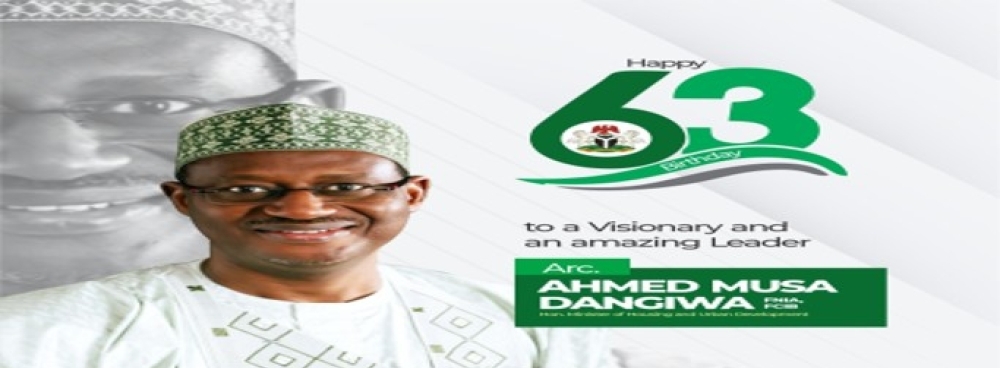
Happy 63rd Birthday to our Honourable Minister, Arc. Ahmed Musa Dangiwa fnia, fcib.
Dear Sir, we thank God for your life and celebrate you today. It has been a privilege working under your leadership and witnessing your steady, thoughtful approach to service, reform, and institution-building.
Your clarity of vision, calm leadership style, and commitment to doing things the right way continue to inspire us. We are grateful for your guidance and for the opportunity to contribute to the important work you are leading.
We wish you good health, continued strength, and many more years of impactful service to our nation. May this new year bring you joy, peace, and even greater accomplishments.
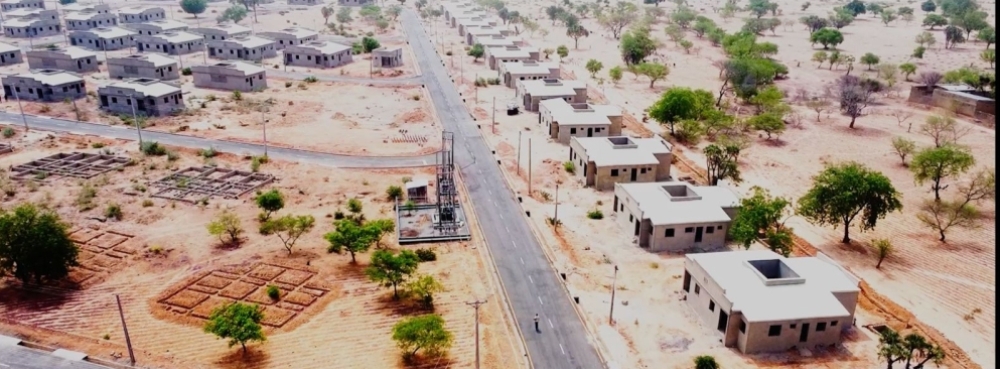
Clarification on Uniform Prices of Housing Units
This is to clarify that the approved prices apply STRICTLY to the Renewed Hope Housing Estates which are funded through the Ministry's budgetary allocation, NOT for the Renewed Hope Cities in Karsana Abuja, Janguza Kano, Ibeju Lekki, Lagos which are being funded through the Public Private Partnership (PPP)

SPECIAL ADDRESS BY ARC. AHMED MUSA DANGIWA, HONOURABLE MINISTER OF HOUSING AND URBAN DEVELOPMENT, AT THE MINISTERIAL RETREAT ON PERFORMANCE MANAGEMENT AND SIGNING OF 2025 PERFORMANCE CONTRACTS HELD ON THURSDAY, 3RD JULY 2025, AT SANDRALIA HOTEL, JABI, ABUJA
Theme: Accelerating Service Delivery through Performance Contracting and Strategic Alignment with the Renewed Hope Agenda
PROTOCOLS
The Permanent Secretary,
Directors and Heads of Departments and Units,
Our distinguished colleagues from the Office of the Head of Civil Service of the Federation and the Central Delivery Coordinating Unit,
Ladies and Gentlemen,
God bless the Federal Republic of Nigeria.

KEYNOTE ADDRESS BY THE PERMANENT SECRETARY, DR. SHUAIB M. L. BELGORE, FEDERAL MINISTRY OF HOUSING AND URBAN DEVELOPMENT, AT MINISTERIAL RETREAT ON PERFORMANCE MANAGEMENT SYSTEM (PMS) AND SIGNING OF 2025 DIRECTORS’ PERFORMANCE CONTRACTS AT SANDRALIA HOTEL, JABI, ABUJA ON 3RD JULY, 2025
Protocols
The Honourable Minister
The Honourable Minister of State
Directors and Heads of Departments,
Resource Persons,
Esteemed Colleagues,
Ladies and Gentlemen,
It is with great honour and a deep sense of responsibility that I welcome you all to this significant and historic Retreat on the Ministerial Performance Management System (MPMS) and the Signing of the 2025 Directors’ Performance Contracts. This retreat marks a critical step in our collective journey to institutionalize a performance driven culture within the Federal Ministry of Housing and Urban Development.
As we are all aware, the Performance Management System (PMS) is a core policy initiative of the Office of the Head of the Civil Service of the Federation (OHCSF), aimed at entrenching a results-based approach to governance and public service delivery. The MPMS Retreat, therefore, offers us the opportunity to align our Ministry’s deliverables with national priorities and to operationalize the PMS as an essential tool for driving institutional efficiency and accountability.
It is important to note that this is the second Ministerial Retreat convened by the Ministry for the purpose of reviewing, deliberating, brainstorming, and validating our MPMS Plan. The maiden edition held in 2024 was instrumental in identifying and articulating the Ministry’s priorities and deliverables under the following key focus areas:
Following the 2024 retreat, the Ministry directed all Directors and Heads of Departments to cascade and sign their Performance Contracts by 4th July, 2024. I am pleased to report that this directive was diligently executed through your commendable commitment and collaborative efforts.
To further support the implementation process and ensure robust performance appraisal mechanisms, the Ministry engaged the services of resource persons from the Federal Ministry of Regional Development to guide the development and finalization of performance appraisal templates and processes.
Ladies and Gentlemen,
Performance Management is now a mandatory requirement as outlined in the 2021 Revised Public Service Rules, serving as a cornerstone for assessing, rewarding, and developing civil servants. It aims to improve institutional effectiveness, identify capacity gaps, and ensure every officer contributes significantly to national development goals.
Accordingly, the OHCSF has issued a directive mandating all MDAs to conclude the following PMS-related activities by Friday, 28th March 2025:
In line with this directive, our Ministry is fully committed to complying with all outlined requirements within the stipulated timeline. Achieving this will, however, require our collective resolve, active participation, and unwavering dedication to the implementation of the PMS.
The role of leadership is central to the success of PMS implementation. This includes but is not limited to:
Distinguished Directors,
As we proceed with this retreat and the performance contract signing ceremony, I urge everyone to be actively engaged in the sessions. Let us take this opportunity to interrogate our strategies, refine our plans, and recommit ourselves to the goals and expectations of the Performance Management System.
Together, we can strengthen the Ministry’s capacity to deliver on its mandate and contribute meaningfully to the national housing and urban development agenda.
Thank you all for your commitment, collaboration, and dedication.
God bless you.
God bless the Federal Ministry of Housing and Urban Development.
God bless the Federal Republic of Nigeria.

Housing Ministry, Shelter Advisory Convene Summit on Renewed Hope Housing PPP

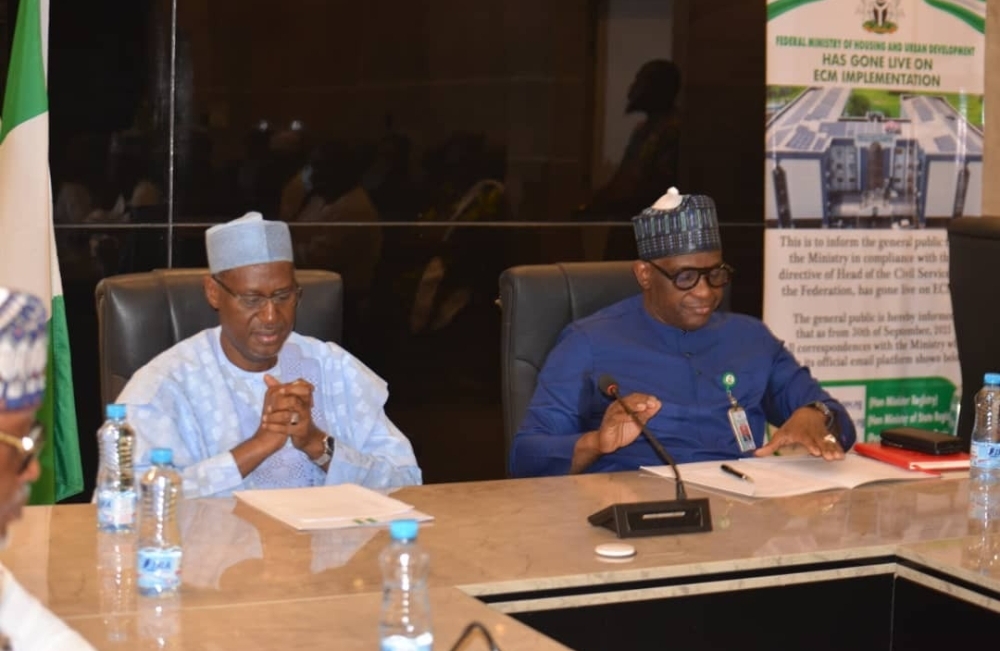
FMHUD 2025 STAFF AWARDS & RECOGNITION CEREMONY, MONDAY, MARCH 30, 2026
FMHUD 2025 STAFF AWARDS & RECOGNITION CEREMONY, Monday, March 30, 2026
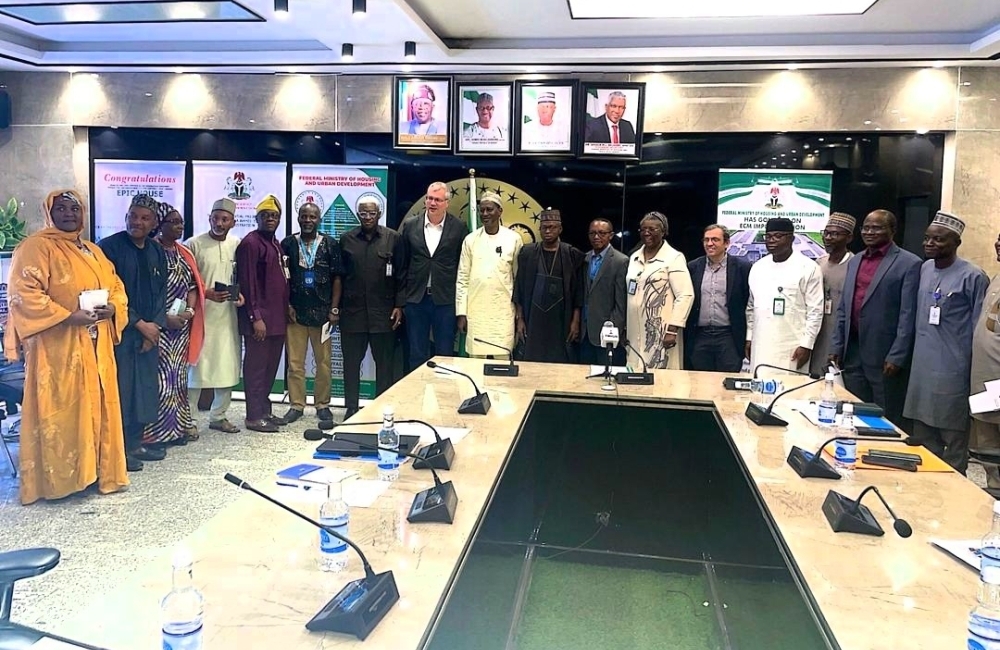
MEETING OF THE HON MINISTER, FMHUD AND HEAD OF UN HABITAT, WEST AFRICA HUB, DAKAR, MR MATHIAS, SPALIVIERO, WEDNESDAY, 25TH FEBRUARY, 2025
Meeting of the Hon Minister, FMHUD and Head of UN Habitat, West Africa Hub, Dakar, Mr Mathias, Spaliviero, Wednesday, 25th February, 2025