Housing Ministry Honours Outstanding Staff at 2025 Ministerial Awards Ceremony
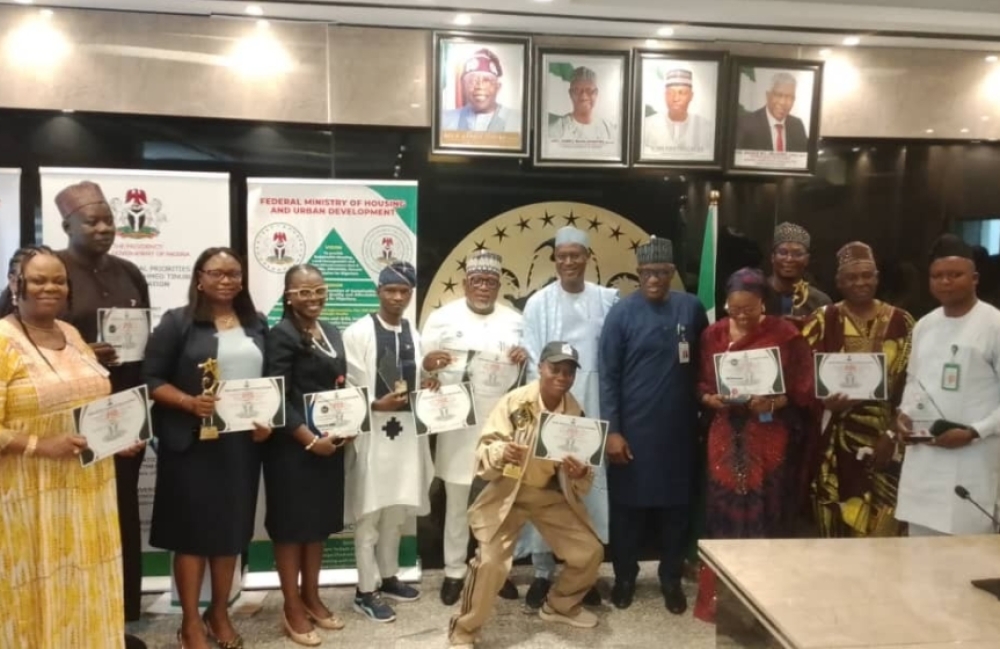
The Federal Ministry of Housing and Urban Development has held its 2025 Ministerial Rewards and Recognition Award Ceremony, reaffirming its commitment to promoting excellence, integrity, and outstanding service delivery within the Civil Service.
The colourful ceremony, which took place at the Ministry’s Headquarters in Abuja, brought together top management staff, directors, and employees to celebrate eleven exceptional officers whose dedication, professionalism, and performance distinguished them among their peers.
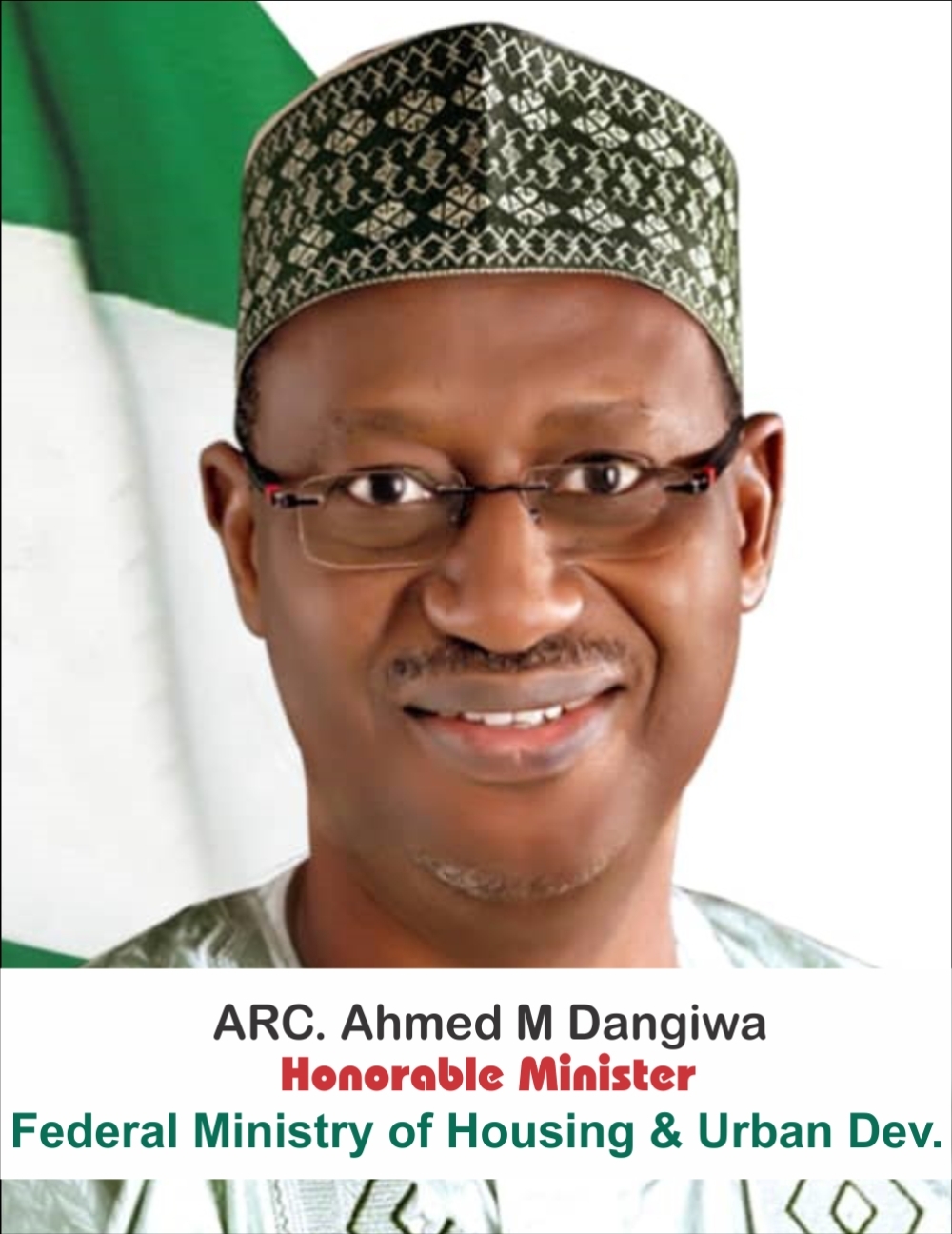
The Honourable Minister of Housing and Urban Development, Arc. Ahmed Musa Dangiwa, stated that the initiative aligns with the directive of the Head of the Civil Service of the Federation to institutionalize a culture of merit-based recognition, productivity, and excellence across Ministries, Departments, and Agencies.
The Minister expressed deep appreciation to the Award Selection Committee for their diligence and transparency in the screening process, noting that their efforts ensured that only truly deserving staff were honoured.
“This occasion is one of the proud moments for the Ministry. I am particularly pleased with the spread of award categories and the quality of awardees selected from across various departments,” he said.
Arc. Dangiwa further emphasized the importance of mentorship in the service, urging Directors and senior officers to deliberately groom and guide younger officers before exiting the system. According to him, sustained mentorship is critical to preserving institutional knowledge and strengthening the future of the Civil Service.
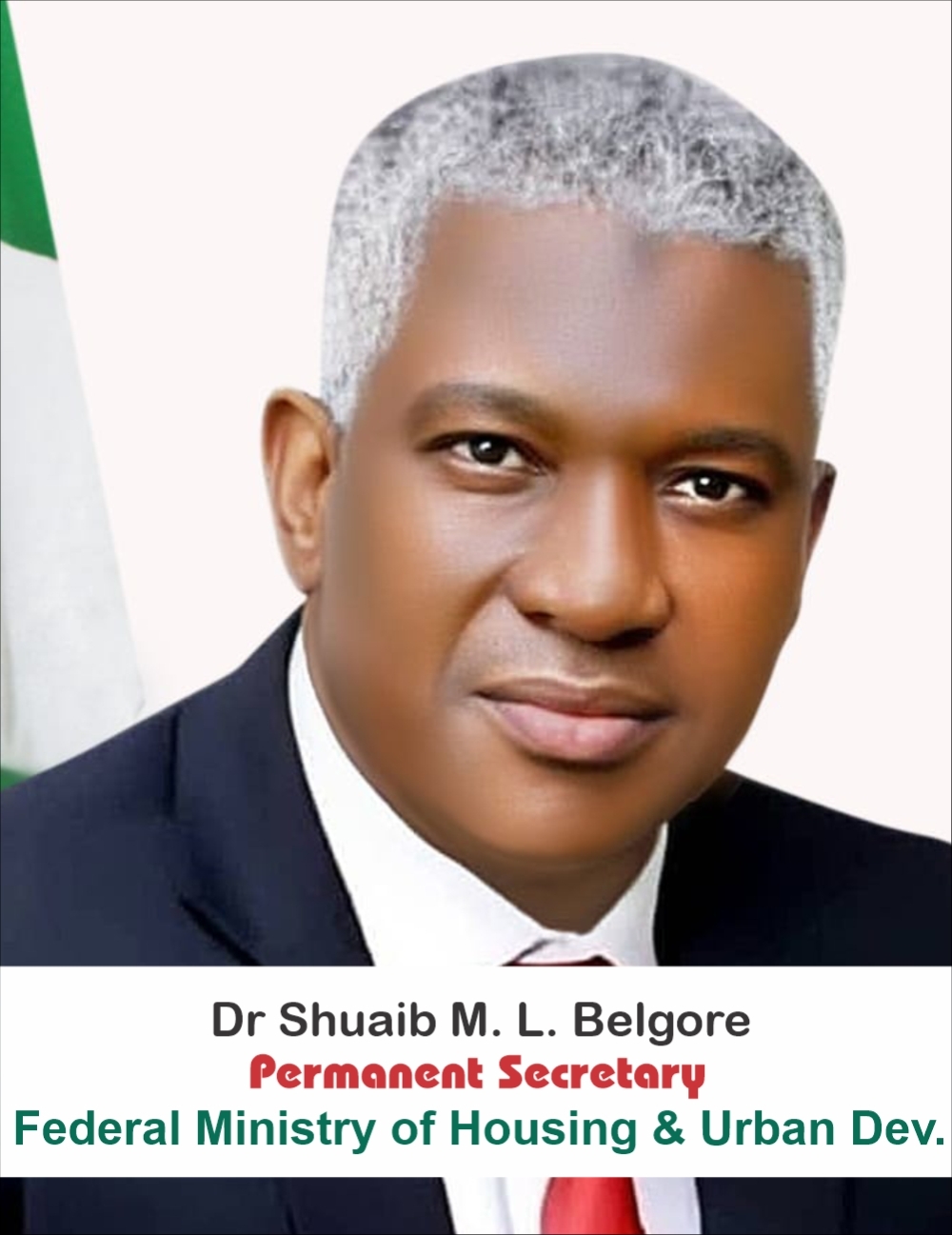
In his opening remarks, the Permanent Secretary, Dr. Shuaib Belgore, described the awards ceremony as a strategic initiative to motivate staff, encourage healthy competition, and reinforce a culture of excellence and accountability.
He noted that the Ministry’s performance at previous national Civil Service Awards, where some staff emerged winners, has further inspired the drive to achieve greater recognition at the national level.
“Our goal this year is not only to participate but to excel by winning multiple awards, including the overall best in the Civil Service category, which comes with significant incentives such as houses, vehicles, and computers,” he stated.
Dr. Belgore explained that while many officers are deserving of recognition, the awardees represent the peak of performance, having emerged through a rigorous and merit-driven selection process. He added that the Ministry has institutionalized a robust recognition system, including monthly staff awards and departmental “Staff of the Month” displays, culminating in the selection of overall best performers.
“Those honoured today have demonstrated consistent excellence and have earned their recognition through hard work and commitment to duty,” he added.
Earlier in his welcome address, the Director of the Special Projects Unit, Mr. Olatunde Ajayi, described the ceremony as a platform to celebrate excellence and inspire others to strive for higher standards of service delivery.
He assured that the selection process adopted by the Ministerial Awards Selection Committee was thorough, transparent, and strictly guided by Federal Public Service policies and guidelines. According to him, the criteria focused on measurable performance, accountability, commitment to service delivery, and continuous improvement.
The 2025 Ministerial Rewards and Recognition Award Ceremony underscores the Ministry’s unwavering commitment to building a motivated workforce driven by excellence, professionalism, and dedication to national development.

The Federal Ministry of Housing and Urban Development has held its 2025 Ministerial Rewards and Recognition Award Ceremony, reaffirming its commitment to promoting excellence, integrity, and outstanding service delivery within the Civil Service. The colourful ceremony, which took place at the Ministry’s Headquarters in Abuja, brought together top management staff, directors, and employees to celebrate eleven exceptional officers whose dedication, professionalism, and performance distinguished them among their peers. The Honourable Minister of Housing and Urban Development, Arc. Ahmed Musa Dangiwa, stated that the initiative aligns with the directive of the Head of the Civil Service of the Federation to institutionalize a culture of merit-based recognition, productivity, and excellence across Ministries, Departments, and Agencies. The Minister expressed deep appreciation to the Award Selection Committee for their diligence and transparency in the screening process, noting that their efforts ensured that only truly deserving staff were honoured. “This occasion is one of the proud moments for the Ministry. I am particularly pleased with the spread of award categories and the quality of awardees selected from across various departments,” he said. Arc. Dangiwa further emphasized the importance of mentorship in the service, urging Directors and senior officers to deliberately groom and guide younger officers before exiting the system. According to him, sustained mentorship is critical to preserving institutional knowledge and strengthening the future of the Civil Service. In his opening remarks, the Permanent Secretary, Dr. Shuaib Belgore, described the awards ceremony as a strategic initiative to motivate staff, encourage healthy competition, and reinforce a culture of excellence and accountability. He noted that the Ministry’s performance at previous national Civil Service Awards, where some staff emerged winners, has further inspired the drive to achieve greater recognition at the national level. “Our goal this year is not only to participate but to excel by winning multiple awards, including the overall best in the Civil Service category, which comes with significant incentives such as houses, vehicles, and computers,” he stated. Dr. Belgore explained that while many officers are deserving of recognition, the awardees represent the peak of performance, having emerged through a rigorous and merit-driven selection process. He added that the Ministry has institutionalized a robust recognition system, including monthly staff awards and departmental “Staff of the Month” displays, culminating in the selection of overall best performers. “Those honoured today have demonstrated consistent excellence and have earned their recognition through hard work and commitment to duty,” he added. Earlier in his welcome address, the Director of the Special Projects Unit, Mr. Olatunde Ajayi, described the ceremony as a platform to celebrate excellence and inspire others to strive for higher standards of service delivery. He assured that the selection process adopted by the Ministerial Awards Selection Committee was thorough, transparent, and strictly guided by Federal Public Service policies and guidelines. According to him, the criteria focused on measurable performance, accountability, commitment to service delivery, and continuous improvement. The 2025 Ministerial Rewards and Recognition Award Ceremony underscores the Ministry’s unwavering commitment to building a motivated workforce driven by excellence, professionalism, and dedication to national development.
Housing Ministry Honours Outstanding Staff at 2025 Ministerial Awards Ceremony
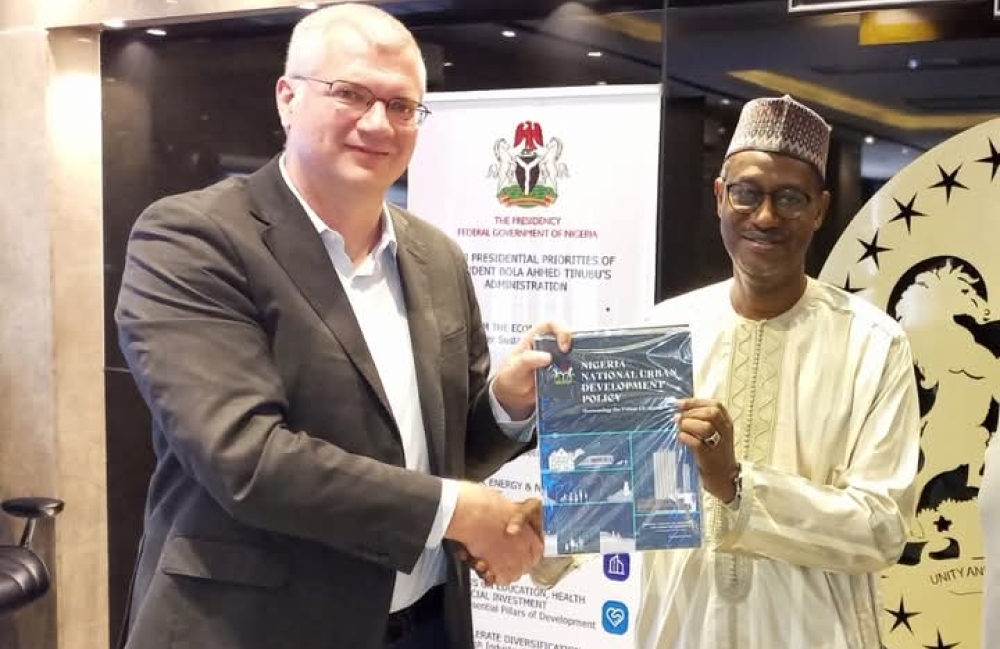
FG Seeks Strategic Support with UN-Habitat On National Urban Development Policy Minister of Housing and Urban Development, Arc. Ahmed Musa Dangiwa, has called for deeper collaboration and implementation support from UN-Habitat as Nigeria enters a crucial phase in operationalizing its newly reviewed National Urban Development Policy (NUDP). Dangiwa made the call during his meeting with the representative of the Regional UN- Habitat office, Senior Human Settlement Officer, Mr. Mathias Spaliviero While appreciating the presentation on key issues to be addressed in Nigeria’s urbanization by the UN-Habitat team, describing it as “eye-opening and inspiring,” the Minister also commended the agency for its strategic partnership and technical guidance in the development of the reviewed NUDP. He noted that the UN-Habitat presentation reaffirmed Nigeria’s ongoing urban renewal initiatives under the Renewed Hope Agenda of President Bola Ahmed Tinubu. "You came and did a wonderful presentation. For us, it has opened our eyes because, as you are aware, Nigeria is undergoing a transformation in the housing and urban development sector under the Renewed Hope Agenda of President Bola Ahmed Tinubu,” he remarked. Arc Dangiwa also informed that this major milestone was recorded last week with the Federal Executive Council's approval of the reviewed National Urban Development Policy, noting that it was developed in close collaboration with UN-Habitat. He highlighted the administration’s commitment to delivering thousands of housing units through the development of Renewed Hope Cities, Renewed Hope Estates and Renewed Hope Social Housing, ensuring inclusive access for all income levels. He further noted that the ministry has embarked on a National Slum Upgrade and Urban Renewal Programme, that targets vulnerable urban communities across the country, affirming that the presentation came at the right time. He hailed the policy as a forward-thinking framework designed to guide Nigeria’s urban growth in line with global commitments, including the Sustainable Development Goals, New Urban Agenda and climate action imperatives. "The policy provides a clear and forward-looking framework for guiding urban growth in Nigeria. It is in harmony with the SDGs, the New Urban Agenda, and our commitments on climate change,” he said. Accordingly, the NUDP will be disseminated to State Governments to enable them domesticate the Policy in their respective states, and Ministries of Works, Environments and institutions, who may need the Ministry’s guidance. Arc. Dangiwa emphasized that while the policy development phase has been successfully concluded, the real challenges lies in its implementation, appealing to UN-Habitat to transition from being a policy support partner to an implementation partner capable of providing institutional capacity and technical expertise. "We need the right expertise and institutional support to implement this policy successfully. We still want to count on UN-Habitat, not just as a support expert but as an implementation partner. We will also require your help in recommending experts who can work with the Ministry in translating it to tangible measureable outputs at both the federal and state levels,” he stated. The Minister also referenced ongoing efforts by the ministry in partnership with the World Bank on a National Land Registration, Documentation, and Titling Programme, aimed at addressing the issue of untitled land, which affects over 90 percent of land nationwide. He welcomed UN-Habitat’s Strategic Action Plan on improving land governance, titling, and administration, and expressed Nigeria’s interest in technical support, pilot implementations and capacity building initiatives in selected states. “This presentation has given us hope. One of the most inspiring aspects was your use of streets as a tool for urban transformation in slums. It shows that transforming a cluster of slums can transform an entire city,” he said. Additionally, while affirming the Ministry’s Commitment to a continued collaboration with UN- Habitat, the World Bank and other strategic partners, Arc Dangiwa noted that the Ministry was on the right path with its slum upgrade and urban renewal programmes. Furthermore, Arc. Dangiwa reaffirmed Nigeria’s commitment to UN-Habitat’s vision, including the clearance of outstanding financial obligations. Earlier in his visual presentation on key issues to be addressed in Nigeria’s urbanization, the UN- Habitat Senior Human Settlement Officer, Mr. Mathias Spaliviero, emphasized that proper financial planning, effective rules and regulations, as well as proper planning and design are fundamental to the successful implementation of the slum upgrade program. ...

Housing Ministry Presents Awards to Sports Club Members for Winning FEPSGA Medals * Inaugurates Staff Bus Committee The Federal Ministry of Housing and Urban Development has presented awards to the sports staff members of the Ministry who won medals at the Federation Public Service Games (FEPSGA) 2024, which took place at the Sharks stadium, Alfred Diette Spiff Sports Complex, Port Harcourt, Rivers State. The Permanent Secretary, Dr Shuaib Belgore presented the awards at a specially organised ceremony that took place in his conference room. The medals won includes four (4) golds, six (6) silver and four (4) bronze medals, from different categories of sport games they participated. In his address, Dr. Shuaib Belgore, expressed profound congratulations to the sports club members of the Ministry for their outstanding achievements at the FEPSGA 2024. While praising the team for their dedication and team work, Belgore revealed his extreme keen interest in sporting activities, mentioning his past active participation in football game as well as his current involvement in squash game. He declared his love for success in sports, emphasizing on the health, brain and social benefits of sports; “it builds a spirit of competitiveness that you will bring into your endeavors in life. It is very important for humans to play”, he said. He also expressed pride in the teams performance, and the representation given to the Ministry not just at the FEPSGA game, but also at the just concluded May 2025 edition of the monthly walking Jogging exercise where the team won two Trophies in the categories of best Kitted Ministry, and the third highest in attendance. He called on the team to encourage other staff members who were not already involved in the sporting activities to join. While presenting the medals to the winners, Belgore announced that the gold medal winners will get a hundred thousand naira (₦ 100,000), the silver medal winners, seventy five thousand naira (₦ 75,000), and the bronze winners fifty thousand naira (₦ 50,000). Accordingly, Belgore promised to provide necessary support, facilities, and allowances for the team, while wishing them continued success and injury-free performances. Earlier, the Director Human Resource Management (HRM), Adesina Akinola, informed that the medals won by the sports team at the May 2025 edition of the monthly walking Jogging exercise, was the first in the history of the Ministry. While congratulating the team, he acknowledged their commitment and hard work, further appreciating the support of the Permanent Secretary in providing the resources. Mr. Adesina also expressed optimism in the future achievements of the sports team. In his remarks, the Team Manager of the Federal Ministry of Housing and Urban Development Sports Club, Comrade Salisu Achineje, said that the event was not just collection of individual achievements but a testament to the unwavering dedication, relentless effort, and exceptional teamwork that defines the group of athletes. He thanked the Permanent Secretary for his support and belief in the sports club, as well as resources, encouragement, and vision provided, which has enabled the team reach great heights. Mr. Achineje further congratulated his team members and looked forward to building on the successes achieved to make the Ministry more proud in the future. The high point of the ceremony was the decoration of the Permanent Secretary as the Grand Patron of the sports club, and presentation of a certificate of appreciation to him, as well as to the Director of Human Resource Management, for their support. In another development, the Permanent Secretary, Dr Belgore inaugurated a ten-member bus committee who would oversee matters concerning the Ministry's staff buses. The committee has the Director, Human Resource Management as the chairman; other members are; i) Ayodele Ademola -D (PA-PS) ii) Hikmat A. Aderibigbe- D ( ES) iii) Stephen Jude -DD (SW&T Iv)) Hajiya Hussaina Sarki AD (SW) V) Salamatu M. Omar CAO (SW) Desk Officer Vi) Com. Eno Efughi Chairperson (JUC) vii) Com. Davou Ezeikel Chairperson (AUPCTRE) Viii). Com. Okeowo Alaba (NUPSRAW) ix) Com. Afiniki Yerima (ASCSN The committee is saddled with the responsibility of ensuring proper accountability, technical oversight, and maintenance of the staff buses. In his remarks, the Permanent Secretary assured that the Ministry was already in the process of acquiring some new staff busses. While thanking the committee for their efforts, he emphasized on the importance of maintaining the buses for staff use. Belgore strictly warned on the usage of the buses, saying that they are not to be used for personal or external trips such as burials, naming ceremonies, and the likes, in order to ensure their longevity. He urged the committee to work conscientiously towards maintaining the buses and ensuring they are used only for ministry activities. Accordingly, The Permanent Secretary informed that the committee is expected to generate revenue by charging token fees for trips, which will be reinvested into maintenance and potentially used to purchase more buses. ...
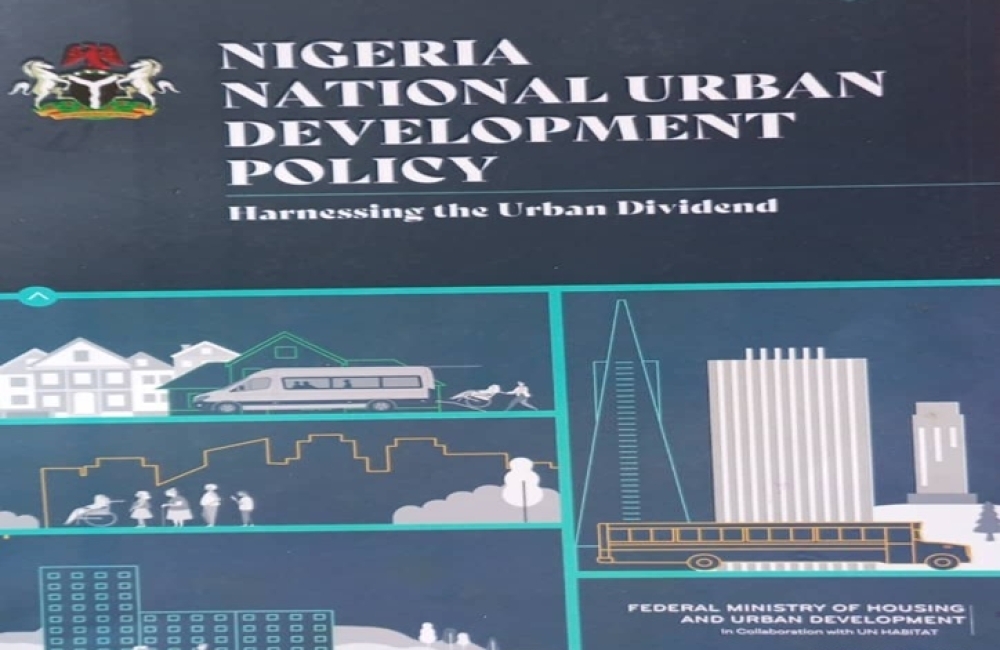
Federal Executive Council Approves Revised National Urban Development Policy To Transform Nigeria’s Urban Future * NUDP, a critical milestone in Nigeria’s urban journey - Dangiwa * Policy aligns with Renewed Hope Agenda, SDGs obligations, New Urban Agenda, Paris Agreement on Climate Change, AU Agenda 2063 In a landmark decision that underscores the Federal Government’s commitment to sustainable urbanisation, the Federal Executive Council (FEC) has approved the revised National Urban Development Policy (NUDP). The Policy provides a transformative framework to guide urban planning, development, and governance across Nigeria, over the next decade. The revised policy, developed by the Federal Ministry of Housing and Urban Development in collaboration with UN-Habitat and other key stakeholders, replaces the previous 2012 edition. It reflects the pressing realities of Nigeria’s urban challenges and the country’s global development commitments. The policy aligns closely with the President Bola Ahmed Tinubu’s Renewed Hope Agenda as well as Nigeria’s obligations under the Sustainable Development Goals (SDGs), the New Urban Agenda, the Paris Agreement on Climate Change, and the Africa Union Agenda 2063. With over 70% of Nigeria's population projected to live in urban areas by 2050, the need for a new, integrated urban development framework has become urgent. The NUDP responds to this challenge by introducing a "business unusual" approach that departs from fragmented, reactive planning, and embraces proactive, inclusive, and long-term strategies. It recognises that effective urban development requires strong institutions, strategic leadership, and citizen participation. A major focus of the policy is the strengthening of urban governance. It advocates for the creation of metropolitan commissions and regional planning bodies to manage Nigeria's fast-growing urban regions and conurbations that cut across administrative boundaries. This includes enabling a more coherent system of cities, improved intergovernmental coordination, and decentralised urban management structures. In terms of social inclusion, the policy embeds a pro-poor, pro-vulnerable urban design philosophy. It calls for planning and development that prioritise women, youth, persons with disabilities, and the informal sector. By improving access to housing, infrastructure, public spaces, and basic services, the NUDP aims to create cities where all residents can live with dignity and opportunity. Climate change is another critical pillar of the new policy. Nigeria faces escalating climate risks including flooding, drought, desertification, and extreme weather events. In response, the NUDP mainstreams climate resilience into urban planning. It promotes green infrastructure, nature-based solutions, renewable energy adoption, and spatial strategies like compact, walkable neighbourhoods-commonly known as the "15-minute city" model-to build cities that are not just liveable but also sustainable. Equally important is the policy's emphasis on urban economic transformation. It positions cities as engines of economic growth, job creation, and diversification beyond oil. By promoting spatial efficiency, mixed-use development, and better integration of land use and transport systems, the NUDP seeks to harness the productivity and innovation potential of dense, well-connected urban centres. The policy also supports improved municipal finance systems to enable cities to raise more own-source revenues and reduce over-reliance on federal allocations. Recognising the importance of technology and data in effective urban management, the policy encourages the adoption of Geographic Information Systems (GIS), Light Detection and Ranging (LIDAR) mapping, and other digital tools to support evidence-based planning, land administration, disaster preparedness, and efficient service delivery. To ensure success, the NUDP provides a clear implementation framework with defined roles for federal, state, and local governments. It calls for capacity building, public awareness campaigns, and strong partnerships with the private sector, academia, and civil society. Monitoring and evaluation mechanisms are embedded to ensure accountability and track progress. The approval of the National Urban Development Policy (NUDP) marks a significant milestone and a major achievement for the Ministry. In addition to this success, the Ministry is actively advancing several other key initiatives, including the National Physical Planning Standards, which is currently undergoing extensive stakeholder engagement at various levels. Another important initiative, the National Policy on Rural Settlements Planning and Development, seeks to address the challenges of rapid urbanization by identifying development gaps in rural areas and providing targeted solutions. This approach aims to reduce the pressure on urban centers by discouraging rural-to-urban migration through improved rural development. Furthermore, a number of regional development plans are presently in progress across the country. These initiatives collectively demonstrate the Ministry’s strong alignment with the Renewed Hope Agenda of President Bola Ahmed Tinubu, an agenda that prioritizes not only housing delivery but also the broader goal of sustainable urban development. Speaking on the significance of the policy approval, the Honourable Minister of Housing and Urban Development, Arc. Ahmed Musa Dangiwa, stated: "The NUDP is a critical milestone in Nigeria's urban journey. It provides us with a clear roadmap to plan and build cities that are productive, liveable, inclusive, and climate-resilient. With this policy, we are better positioned to harness the full potential of our urban spaces to drive national development and uplift the quality of life for all Nigerians." The Ministry will immediately begin nationwide sensitisation and capacity-building engagements to support the effective rollout of the policy. The NUDP document can be accessed on the Ministry’s website via https://www.fmhud.gov.ng/themes/front_end_themes_01/images/download/25060893318.pdf ...
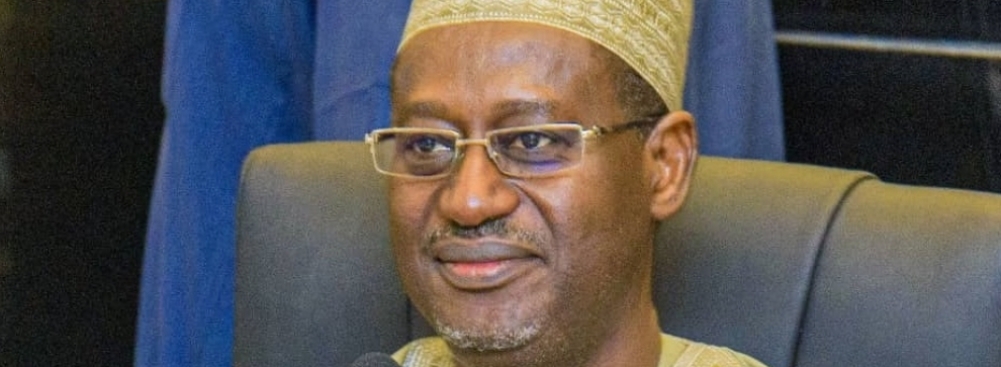
REMARKS BY THE HONOURABLE MINISTER OF HOUSING AND URBAN DEVELOPMENT ON THE GOLDEN JUBILEE CELEBRATION OF FEDERAL HOUSING AUTHORITY AT THE INTERNATIONAL CONFERENCE CENTRE ABUJA ON 23RD NOVEMBER 2023.
Protocols
1. I would like to start by congratulating the Federal Housing Authority (FHA), Nigeria’s oldest housing institution, on this occasion of its 50th anniversary celebration.
2. I also want to congratulate the Management and staff – retired and present – of FHA for keeping the fire of its mandate burning through these 50 years despite systemic, human-made and macroeconomic challenges.
3. While we mark 50 years it is important for us to confront the truth of its history to learn the lessons from there. It is only based on this basis that we can begin the process of building a new FHA that delivers on its mandate.
4. In 1973, the Federal Housing Authority was created with the mandate to provide housing to low- and medium-income earners nationwide. These functions were further expanded under the 2012 National Housing Policy to include the following key provisions.
• To develop and manage real estate on a commercial basis in all states of the Federation and the Federal Capital Territory (FCT).
• To provide sites and services for all income groups.
• To execute housing programmes in the public interest as may be approved by the Federal Government and
• To mobilize offshore funding for housing development.
5. Pursuant to the re-defined roles, the National Council on Privatization in May 2013, approved FHA’s commercialization. The aim was to reduce the magnitude and scope of financial support of the Federal Government and allow the Authority to adapt to changing business requirements. At this time FHA had only managed to deliver 37,000 houses in its 40 years of existence.
6. Now, ten years after commercialization, records show that FHA has only delivered a cumulative of just over 50,000 housing units. That shows an average of 1,000 houses per year in 50 years. This is clearly not acceptable, especially from Nigeria’s foremost housing agency that has so many institutional advantages that it can leverage to deliver more results. This includes free access to land from the federal government in all layouts and new districts, relationships with other government entities like the Federal Capital Development Authority (FCDA) and strategic positioning to engage in Public Private Partnerships (PPPs) with reputable developers given its name recognition as a government agency.
Last month, during the Shelter Afrique EGM in Algeria, I discovered from my engagements with the Algerian Government that an Agency like the FHA delivers between 400,000 and 1m houses annually. In fact, in a particular year, that Agency delivered 1,060,000 houses. This underscores the need for FHA to aggressively upscale its delivery capacity.
7. I am also pained to say that analysis of all the PPPs that the FHA has entered into over the years have delivered little or no value to the country. This is also not acceptable. FHA needs to wake up to its responsibilities.
8. We have a serious housing crisis and current efforts; speed of delivery and strategies must be increased to meet the challenge. FHA must see this 50 years anniversary as a moment of soul-searching and resolve that the next 50 years will tell a different story. Like they say, we cannot change the past, but we can shape the future by doing things differently.
9. What we need at FHA is leadership that is visionary and can innovate, think outside the box, while tackling problems. We can see this from the progressive, agenda setting and performance-driven leadership style of His Excellency, President Bola Ahmed Tinubu, GCFR.
10. His leadership is gradually re-setting Nigeria on the path of sustainable growth and economic prosperity. It is this sort of leadership that Mr. President demands for the housing and urban development sector, which we must all collectively provide.
11. So, today, we are celebrating the Renewed Hope for the Federal Housing Authority. The fact that FHA is marking its 50th anniversary just six months into the administration of His Excellency, President Bola Ahmed Tinubu, is not only a pleasant coincidence, but a golden opportunity for us to begin the process of writing a different, more progressive story for the next 50-years of the institution.
12. Under the Renewed Hope Vision of His Excellency, President Bola Ahmed Tinubu, GCFR, we want to see a reformed, more efficient, and capable Federal Housing Authority (FHA) that would have the financial strength to deliver more on its mandate.
13. FHA is the one agency that has the license to play in all income segments, so the ministry expects the FHA to make judicious use of this advantage in the broad strategy of the government to deliver housing to Nigerians. I want to see the FHA go to the capital market, issue bonds, and raise funding to deliver mass housing projects across the country, market them, payback the loans, and declare profit. In the next fifty years, we expect that FHA would be celebrating millions of homes built and successfully delivered to Nigerians.
14. As the Minister of Housing and Urban Development, I am ready to provide the necessary leadership that is required to move FHA forward. This includes granting the necessary Ministerial support for FHA to access funding from international development finance institutions such as Shelter Afrique.
15. We can do this because we have a President who is a gamechanger. He has the political will to break all systemic barriers that have prevented government agencies such as FHA from delivering on their mandates and playing their role in moving Nigeria forward.
16. As part of our plans to ensure that housing agencies under the supervision of the Ministry are optimized to deliver on our target of providing affordable homes to Nigerians, we have composed a Housing Reform Team of experts, stakeholders, agency representatives, professional bodies, and academia to develop a robust framework for reform of the housing sector including thorough review of relevant laws and facilitation of necessary legislative amendments. This includes the following:
a. The Land Use Act, 1978
b. National Housing Fund (NHF) Act,1992
c. Federal Mortgage Bank of Nigeria (FMBN) Establishment Act, 1993
d. Federal Housing Authority (FHA) Act,1973
e. PenCom Act to allow for increased investment in housing.
f. Driving Nationwide adoption and passage of the foreclosure law in states.
17. We have secured the Presidential consent and will be inaugurating the Team within the next two weeks with a mandate to deliver their reports within two months. It is important to say that we are not trying to re-invent the wheel but to build on the existing body of industry knowledge. What we have lacked over the years is the POLITICAL WILL to implement them, which we now have in President Bola Ahmed Tinubu.
18. I believe that the reforms and legislative amendments that the Housing Reform Team will execute in collaboration with stakeholders and the National Assembly will be the most comprehensive set ever done in the history of housing and urban development in Nigeria. This will give birth to a new FHA and other housing agencies that are fully empowered with the legal and financial capacity to deliver on their mandates.
19. We are also working to implement the much-needed reforms that will ensure quick, easy, and efficient access to land. We have composed and secured Presidential consent to inaugurate a land reforms committee comprising state governments, traditional rulers, relevant agencies, professional bodies, academia, stakeholders to ensure buy-in and inclusivity.
20. With their recommendations we will draft an Executive Bill and proceed to the National Assembly for the amendment of the obsolete Land Use Act 1978 that has hindered the development of the housing sector.
21. In line with our policy of building on existing knowledge so we can move at a faster pace to deliver value, we invited and met with the Presidential Technical Committee on Land Reforms. And I must say that it was a wise decision to do so. This is because we now have access to the comprehensive work they have done over the past 14 years on Land Reforms in our country. Immediately after the meeting we set up an Internal Ministerial Committee to review and recommend for inclusion in our land reforms strategy relevant parts of their recommendations. Part of this will be the establishment of the National Land Commission to spell out the guidelines and regulations for operationalizing the Land Use Act, 1978.
22. On policy implementation we have called up and met with the FMDQs on the National Housing Strategy (NHS) that was launched in May this year. We have reviewed the document thoroughly towards identifying initiatives for inclusion in our plans for implementation.
23. In line with the Renewed Hope plan to ensure that all Nigerians including the NO INCOME, vulnerable and underprivileged groups have access to decent and dignified accommodation, we are also creating the framework for the establishment of a National Social Housing Fund (NSHF). This is because we believe that access to decent shelter is a not only a necessity but a human right and that all Nigerians across all income segments deserve a decent home to live and grow.
24. We have also prioritized building materials manufacturing in the country. This will ensure economic growth, create jobs, and reduce dependency on imports. To ensure success, we have composed a Building Materials Manufacturing Task Team comprising of experts and representatives from relevant government agencies, academia, professional bodies, and industry associations. They will conduct a thorough assessment of the current state of the building materials manufacturing sector and produce a strategic plan for reforming the sector for implementation. We plan to inaugurate the Team very soon. Our plan is to build six (6) building materials manufacturing hubs, one in each of the six (6) regions of the country.
25. To increase the stock of housing supply, we have also composed and will inaugurate a Multi-Agency Project Delivery Team. The Team will ensure that all housing agencies including FHA work together towards optimizing their strengths to increase the stock of quality houses to Nigerians. The Team comprises highly qualified and experienced professionals with expertise in housing development, urban planning, infrastructure, finance, and project management.
26. FHA will also play a key role in our New City Development Plan. Here the Ministry plans to lead partnerships with the private sector, local and international investors, towards redefining the concept of cities in Nigeria and decongesting city centers and state capitals in line with the Renewed Hope Agenda of Mr. President.
27. The first phase of the New City Development Plan aims to deliver Renewed Hope Cities ranging from 1,000 housing units per site in one location in each of the six geo-political zones of the country and FCT namely: Abuja, Lagos, Kano, Borno, Nasarawa, Rivers, and Enugu States, while the remaining thirty (30) States will have Renewed Hope Estates each with a minimum of 500 housing units.
28. The Renewed Hope Cities will have inclusivity at their core: They will include Multi-Level Flats to cater to low-medium income earners; Terrace and Detached Bungalows and Duplexes for the high-income earners. The Renewed Hope Estates will have 1,2- and 3-bedroom affordable bungalows.
29. Overall, we aim to deliver under this phase 1, a total of 40,000 homes from a mix of sponsors comprising the Federal Ministry of Housing and Urban Development’s budgetary allocation, the Federal Mortgage Bank of Nigeria (FMBN), and through Public Private Partnerships with reputable developers in the delivery of the new cities.
30. Ownership Options include Mortgage Loans, Rent-to-Own and Outright Purchase.
31. At 25 jobs per unit, the first phase of the project will create direct and indirect 1,000,000 jobs helping to achieve the target to lift 1million Nigerians out of poverty.
32. Under Phase 1 of the Slum Upgrading Programme, the Ministry plans a total of 26 sites nationwide. This includes four (4) sites in each of the six regions of the country totaling twenty-four (24) and two (2) in the FCT. The key services to be provided at the identified sites will include water supply, solar streetlights, rehabilitation of access roads, construction of drainages and waste management and sanitation services amongst others.
33. The Federal Housing Authority has a major role to play in our ‘Renewed Hope Agenda’ for housing and urban development. So, getting FHA to fulfill its mandate is a priority to us. We will encourage the Authority to operate optimally. We will drive the process for the release of the Take- off grant proposed for the Authority prior to its partial commercialization.
34. As an agency that is not on the budget, we will strengthen FHA to be able to source private sector funds -locally and internationally – to drive its operations. What I want the FHA to know is that being partially commercialized and not being on the budget is a good thing. It gives you the latitude to become more creative and innovative in tapping financing for your activities.
35. On this note, once again, I thank you all for joining us to mark the 50th Anniversary of Nigeria’s oldest housing institution and to celebrate the Renewed Hope for a more impactful and progressive FHA. It’s the Renewed Hope Era and all federal agencies must be primed to fire on all cylinders towards meeting Nigeria’s housing needs.
36. Thank you all.
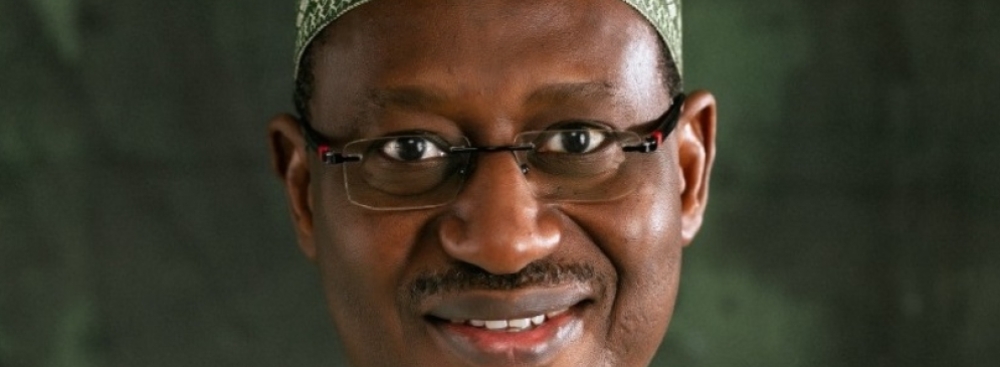
REMARKS BY ARC. AHMED DANGIWA, HON MINISTER FOR HOUSING AND URBAN DEVELOPMENT DURING THE COURTESY VISIT BY THE HOUSING DEVELOPMENT ADVOCACY NETWORK (HDAN) ON WEDNESDAY, NOVEMBER 22, 2023
Protocols
1. First, I’ll like to thank the entire leadership, and members of the Housing Development Advocacy Network (HDAN) for taking out time to pay me this courtesy visit.
2. HDAN has been a part of my story at every turning point. I remember vividly the Special Agenda Setting Dinner that you organized for me at the Sheraton Hotels on August 24, 2023, shortly after my appointment.
3. At the dinner, I took careful note of all the key points that were laid out by stakeholders at the event. This includes:
a. The Absence of Credible, Scientific and Reliable Data to Guide Housing Policy Formulation and Implementation.
b. Tackling the Prevalence of Building Collapses and the need to ensure quality of housing.
c. The Need to study and implement Important Aspects of the National Housing Strategy Report co-sponsored by FMDQs earlier this year.
d. Ensuring sustainable Development of urban and rural areas.
e. Unlocking Affordable Housing Finance
f. Improving access to land and easing title administration.
g. Need to drive the nationwide adoption of model mortgage foreclosure law.
4. It’s been over two months since that day, and I am happy to inform you that we have prioritized all these concerns in our actions over this time.
5. On DATA, we are making progress. In our first month in office, we held a formal meeting with the National Population Commission to kickstart a strategic collaboration on housing data. We have set up a Ministry Taskforce that is actively working the Commission to design survey instruments that will help address housing-related questions during their upcoming population and housing census exercise.
6. I am pleased to inform you all that from our technical sessions with the National Population Commission so far, we can say that the Census Survey Framework matches our needs, and the conduct of the next census will help to solve the housing data problem.
7. We have gone further to write to Mr. President seeking his approval for the conduct of the census because of its significance to our objective of establishing the actual housing deficit.
8. To ensure that housing agencies under the supervision of the Ministry are optimized to deliver on our target of providing affordable homes to Nigerians, we have composed a Housing Reform Team of experts, stakeholders – including HDAN representatives, agency representatives, professional bodies, and academia to develop a robust framework for reform of the housing sector including thorough review of relevant laws and facilitation of necessary legislative amendments. This includes the following:
a. The Land Use Act, 1978
b. National Housing Fund (NHF) Act,1992
c. Federal Mortgage Bank of Nigeria (FMBN) Establishment Act, 1993
d. Federal Housing Authority (FHA) Act,1973
e. PenCom Act to allow for increased investment in housing.
f. Driving Nationwide adoption and passage of the foreclosure law in states.
9. We have secured the consent and will be inaugurating the Team within the next two weeks with a mandate to deliver their reports within two months. It is important to say that we are not trying to re-invent the wheel but to build on EXISTING BODY KNOWLEDGE as I BELIEVE THERE ARE ONLY A FEW NEW IDEAS. What we have lacked over the years is the POLITICAL WILL to implement them.
10. Therefore, the team will be tasked with streamlining all previous reform blueprints, whitepapers for the agencies and outlining areas requiring reform, with a focus on enhancing efficiency, transparency, and accountability.
11. I believe that reforms and legislative amendments that the Reform Team will execute in collaboration with stakeholders and the National Assembly will be the most comprehensive set ever done in the history of housing and urban development in Nigeria.
12. We are also working to implement the much-needed reforms that will ensure quick, easy, and efficient access to land. We have composed and secured Presidential consent to inaugurate a land reforms committee comprising state governments, traditional rulers, relevant agencies, professional bodies, academia, stakeholders to ensure buy-in and inclusivity.
13. With their recommendations we will draft an Executive Bill and proceed to the National Assembly for the amendment of the obsolete Land Use Act 1978 that has hindered the development of the housing sector. In line with our policy of building on existing knowledge so we can move at a faster pace to deliver value, we invited and met with the Presidential Technical Committee on Land Reforms. And I must say that it was a wise decision to do so. This is because we now have access to the comprehensive work they have done over the past 14 years on Land Reforms in our country. Immediately after the meeting we set up an Internal Ministerial Committee to review and recommend for inclusion in our land reforms strategy relevant parts of their recommendations. Part of this will be the establishment of the National Land Commission to spell out the guidelines and regulations for operationalizing the Land Use Act, 1978.
14. On policy implementation we have called up and met with the FMDQs on the National Housing Strategy (NHS) that was launched in May this year. We have reviewed the document thoroughly towards identifying initiatives for inclusion in our plans for implementation.
15. In line with the Renewed Hope plan to ensure that all Nigerians including the NO INCOME, vulnerable and underprivileged groups have access to decent and dignified accommodation, we are also creating the framework for the establishment of a National Social Housing Fund (NSHF). This is because we believe that access to decent shelter is a not only a necessity but a human right and that all Nigerians across all income segments deserve a decent home to live and grow.
16. To lower the cost of building materials, we are also working to boost building materials manufacturing in the country. This will ensure economic growth, create jobs, and reduce dependency on imports. On this too, we have composed a Building Materials Manufacturing Task Team comprising of experts and representatives from relevant government agencies, academia, professional bodies, and industry associations. They will conduct a thorough assessment of the current state of the building materials manufacturing sector and produce a strategic plan for reforming the sector for implementation. We plan to inaugurate the Team very soon.
17. To increase the stock of housing supply, we have also composed and will inaugurate a Multi-Agency Project Delivery Team. The Team will ensure that all housing agencies work together towards optimizing their strengths to deliver decent and affordable housing to Nigerians. The Team comprises highly qualified and experienced professionals with expertise in housing development, urban planning, infrastructure, finance, and project management.
18. As you may have noticed, our Reform Agenda has many components. They range from slum/urban upgrading because we believe that not all Nigerians can afford the mortgages that even FMBN offers at single digit interest. So, our aim is to make the places they currently shelter in livable and habitable.
19. Another component is affordable housing. Despite the tough macro-economic environment, there are still Nigerians who can afford to own a home via mortgages from the FMBN, FHA and even commercial mortgages. Our plan is to empower and support efforts of the agencies and our Ministry towards meeting this need.
20. Our Renewed Hope Cities and Estates seek to deliver on this because they have inclusivity at their core. Phase 1 of the project aims to deliver 34,500 housing units ranging from 1,000 housing units per site in one location in each of the six geo-political zones of the country and FCT namely: Abuja, Lagos, Kano, Borno, Nasarawa, Rivers, and Enugu States. House types will include Multi-Level Flats to cater to low-medium income earners, Terrace and Detached Bungalows and Duplexes for the high-income earners. We ll also have Renewed Hope Estates of 500 housing units per site in each of the remaining thirty (30) States. House Types: 1,2- and 3-bedroom affordable bungalows.
21. Sponsors will include Federal Ministry of Housing and Urban Development’s budgetary allocation, the Federal Mortgage Bank of Nigeria (FMBN), and through Public Private Partnerships with reputable developers. Ownership Options include Mortgage Loans, Rent-to-Own and Outright Purchase.
22. Under Phase 1 of the Slum Upgrading Programme, the Ministry plans a total of 26 sites nationwide. This includes four (4) sites in each of the six regions of the country totaling twenty-four (24) and two (2) in the FCT. The key services to be provided at the identified sites will include water supply, solar streetlights, rehabilitation of access roads, construction of drainages and waste management and sanitation services amongst others.
23. On the National Housing Programme, we are working on a comprehensive plan to ensure that all units are completed and off taken. Earlier this month we held a meeting with all the State Controllers on the matter. We also made physical visits to some of the sites here in Abuja. We have also set up a Ministerial Committee to review and rescope the contracts of the abandoned sites as appropriate. We will also assess both the technical and financial capacity of the contractors to ensure that we proceed with only those that are capable. Our goal at the end is to ensure that the government gets value for the investment in the National Housing Programme and that we also learn the lessons from its challenges. Under my watch, we will not experience those problems. We will ensure a demand driven approach, take care in siting planned housing estates in viable places where there is demand for offtake, ensure accessibility and infrastructure availability.
24. I have been one of you and remain one of you. I know your passion for the housing sector, I know and understand the issues. I also know that you all mean well, and I am ready to work with all of you towards fixing these issues. I will continue to consult, and leverage the collective wealth of your expertise, knowledge of the industry and ideas and together we shall change the narrative for the good of our people.
25. We encourage all members to feel free to send in memoranda regarding any of the policies that we have embarked on, or any progressive initiative that will help us move the sector forward. As the Minister of Housing and Urban Development, I am OPEN to ideas, initiatives and policies that will help us deliver affordable housing to Nigerians and build safer and more inclusive urban areas.
26. Thank you once again for this visit and I look forward to working with you all.

Housing Ministry, Shelter Advisory Convene Summit on Renewed Hope Housing PPP

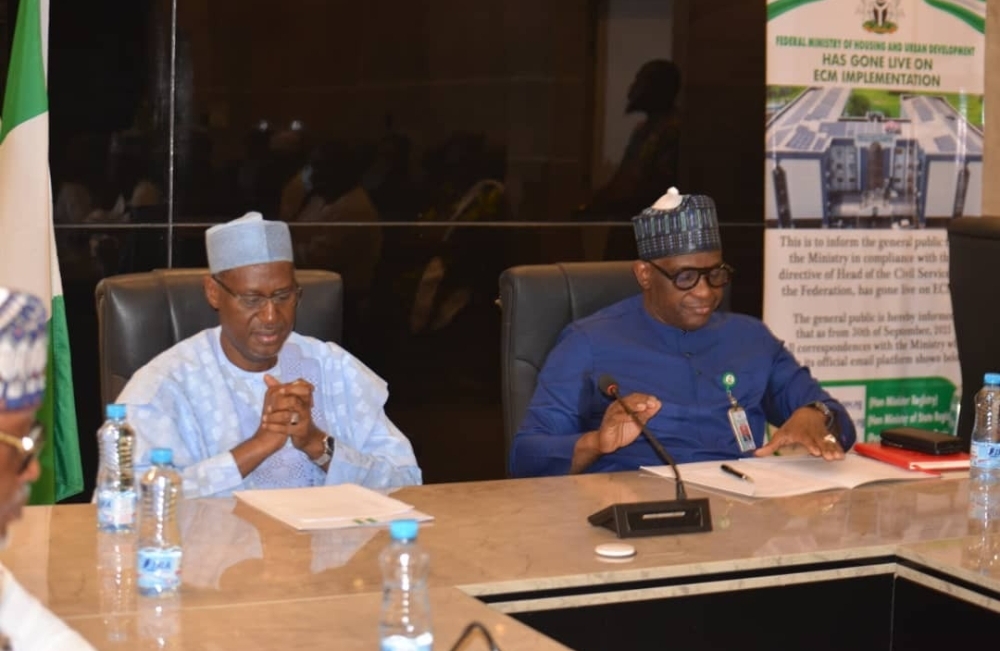
FMHUD 2025 STAFF AWARDS & RECOGNITION CEREMONY, MONDAY, MARCH 30, 2026
FMHUD 2025 STAFF AWARDS & RECOGNITION CEREMONY, Monday, March 30, 2026
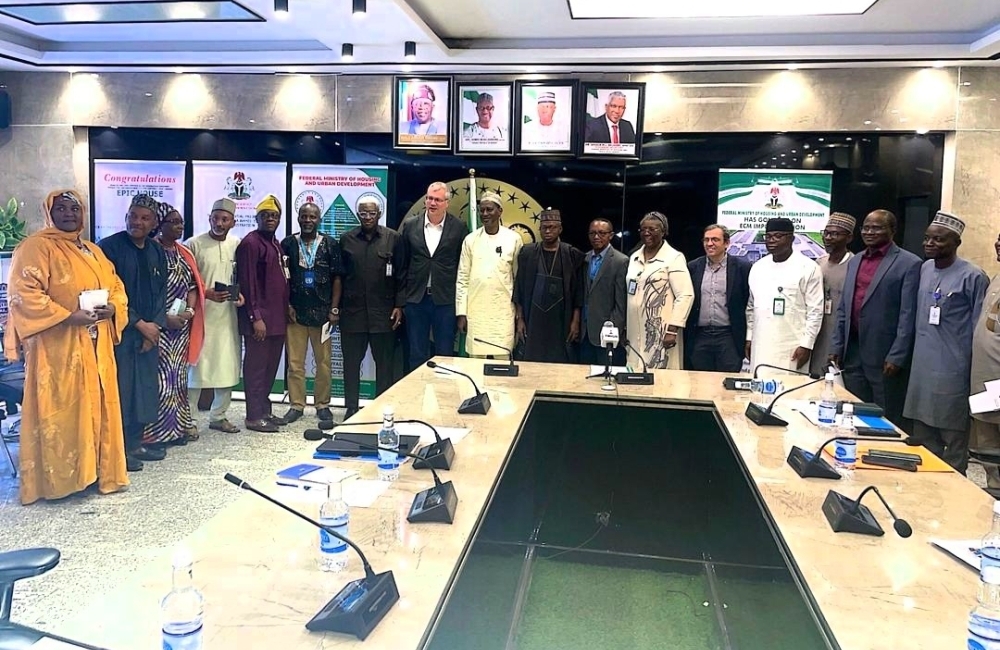
MEETING OF THE HON MINISTER, FMHUD AND HEAD OF UN HABITAT, WEST AFRICA HUB, DAKAR, MR MATHIAS, SPALIVIERO, WEDNESDAY, 25TH FEBRUARY, 2025
Meeting of the Hon Minister, FMHUD and Head of UN Habitat, West Africa Hub, Dakar, Mr Mathias, Spaliviero, Wednesday, 25th February, 2025