Housing Ministry Honours Outstanding Staff at 2025 Ministerial Awards Ceremony
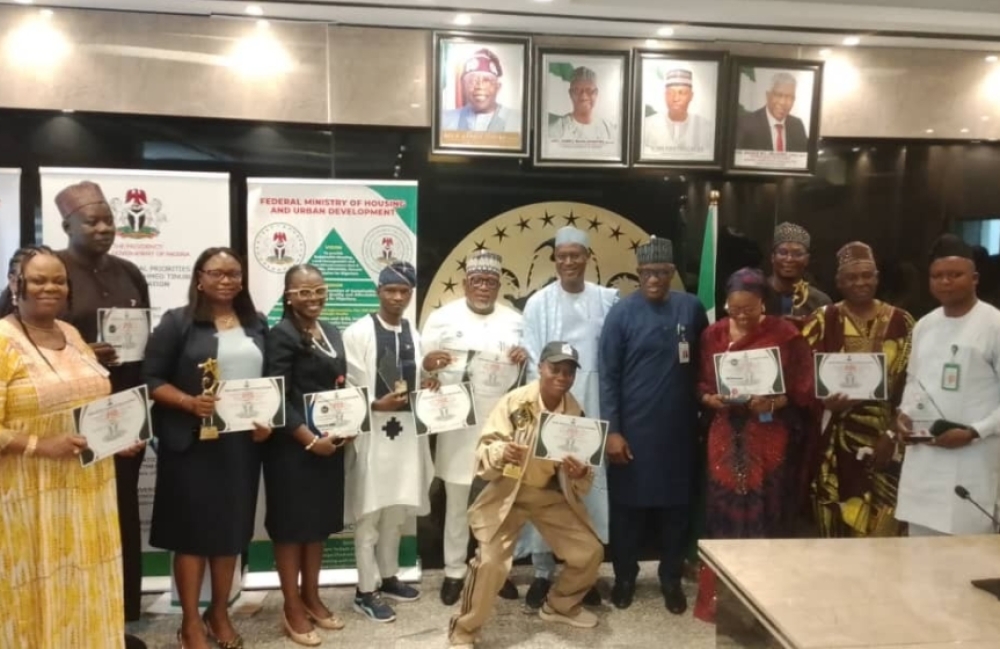
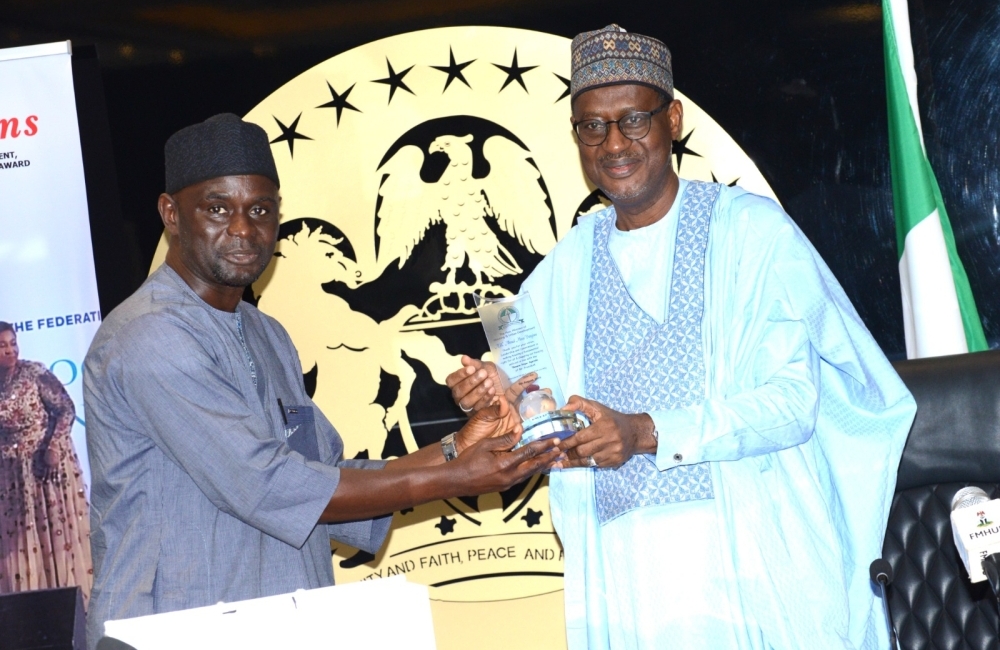
The Federal Ministry of Housing and Urban Development has held its 2025 Ministerial Rewards and Recognition Award Ceremony, reaffirming its commitment to promoting excellence, integrity, and outstanding service delivery within the Civil Service.
The colourful ceremony, which took place at the Ministry’s Headquarters in Abuja, brought together top management staff, directors, and employees to celebrate eleven exceptional officers whose dedication, professionalism, and performance distinguished them among their peers.
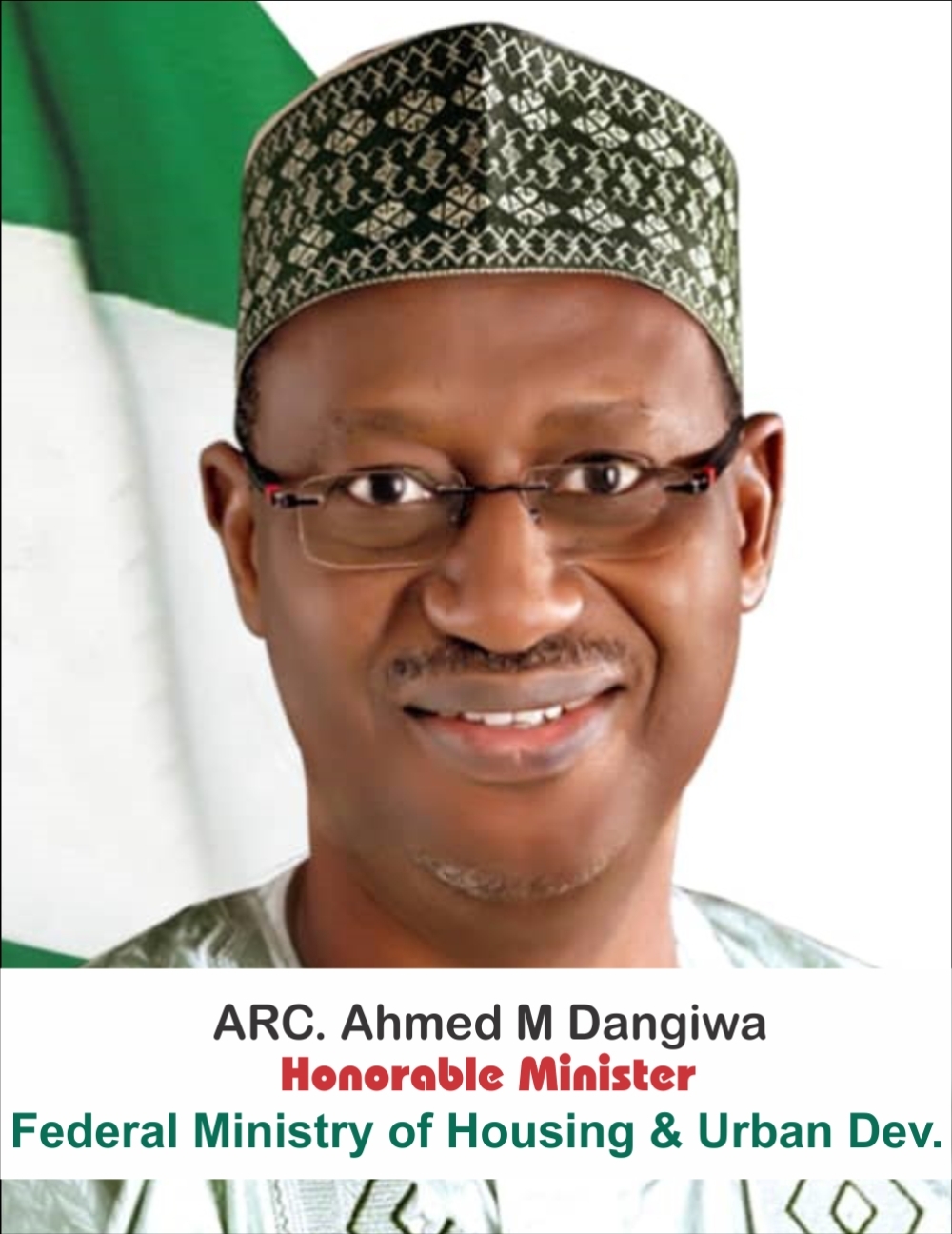
The Honourable Minister of Housing and Urban Development, Arc. Ahmed Musa Dangiwa, stated that the initiative aligns with the directive of the Head of the Civil Service of the Federation to institutionalize a culture of merit-based recognition, productivity, and excellence across Ministries, Departments, and Agencies.
The Minister expressed deep appreciation to the Award Selection Committee for their diligence and transparency in the screening process, noting that their efforts ensured that only truly deserving staff were honoured.
“This occasion is one of the proud moments for the Ministry. I am particularly pleased with the spread of award categories and the quality of awardees selected from across various departments,” he said.
Arc. Dangiwa further emphasized the importance of mentorship in the service, urging Directors and senior officers to deliberately groom and guide younger officers before exiting the system. According to him, sustained mentorship is critical to preserving institutional knowledge and strengthening the future of the Civil Service.
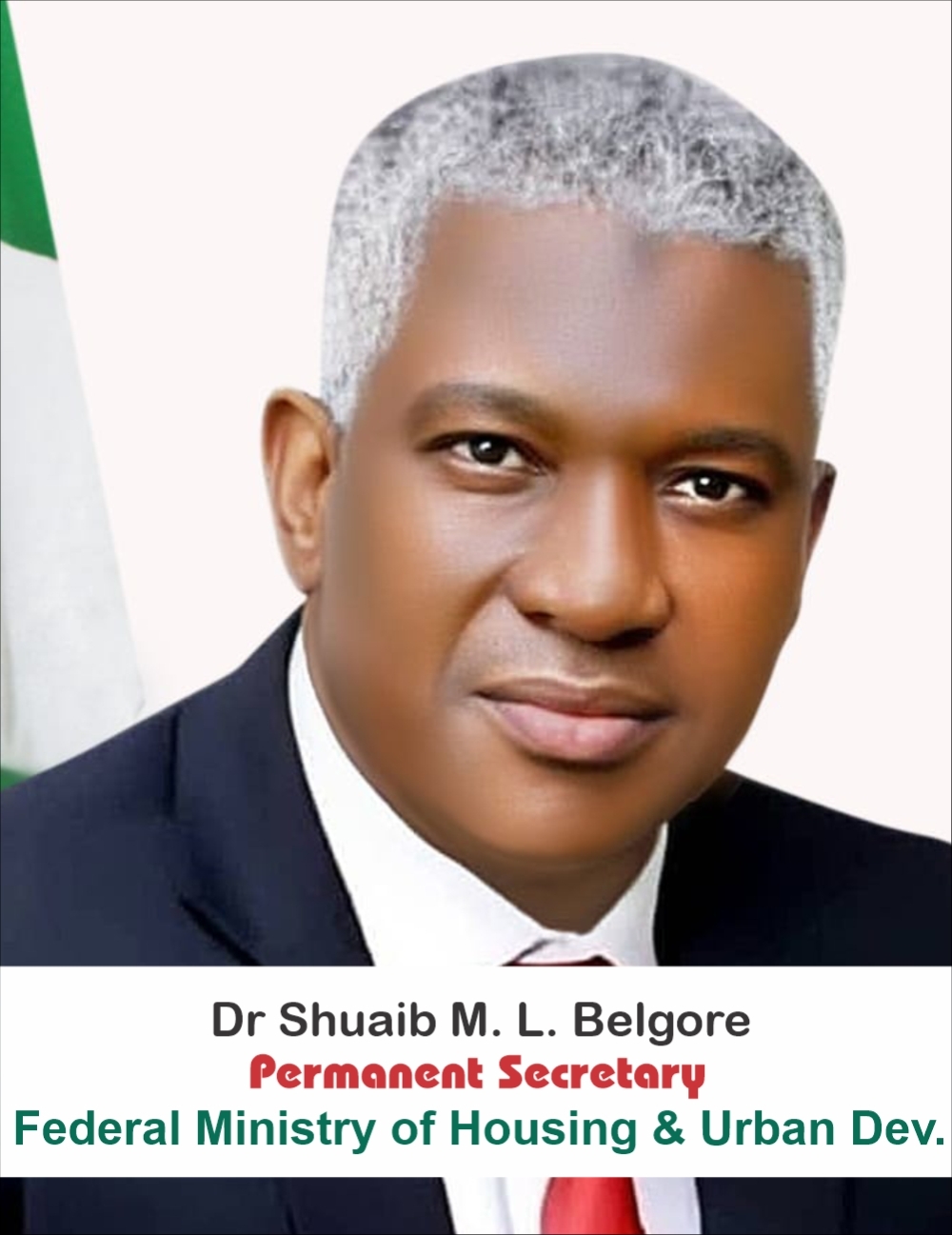
In his opening remarks, the Permanent Secretary, Dr. Shuaib Belgore, described the awards ceremony as a strategic initiative to motivate staff, encourage healthy competition, and reinforce a culture of excellence and accountability.
He noted that the Ministry’s performance at previous national Civil Service Awards, where some staff emerged winners, has further inspired the drive to achieve greater recognition at the national level.
“Our goal this year is not only to participate but to excel by winning multiple awards, including the overall best in the Civil Service category, which comes with significant incentives such as houses, vehicles, and computers,” he stated.
Dr. Belgore explained that while many officers are deserving of recognition, the awardees represent the peak of performance, having emerged through a rigorous and merit-driven selection process. He added that the Ministry has institutionalized a robust recognition system, including monthly staff awards and departmental “Staff of the Month” displays, culminating in the selection of overall best performers.
“Those honoured today have demonstrated consistent excellence and have earned their recognition through hard work and commitment to duty,” he added.
Earlier in his welcome address, the Director of the Special Projects Unit, Mr. Olatunde Ajayi, described the ceremony as a platform to celebrate excellence and inspire others to strive for higher standards of service delivery.
He assured that the selection process adopted by the Ministerial Awards Selection Committee was thorough, transparent, and strictly guided by Federal Public Service policies and guidelines. According to him, the criteria focused on measurable performance, accountability, commitment to service delivery, and continuous improvement.
The 2025 Ministerial Rewards and Recognition Award Ceremony underscores the Ministry’s unwavering commitment to building a motivated workforce driven by excellence, professionalism, and dedication to national development.



The Federal Ministry of Housing and Urban Development has held its 2025 Ministerial Rewards and Recognition Award Ceremony, reaffirming its commitment to promoting excellence, integrity, and outstanding service delivery within the Civil Service. The colourful ceremony, which took place at the Ministry’s Headquarters in Abuja, brought together top management staff, directors, and employees to celebrate eleven exceptional officers whose dedication, professionalism, and performance distinguished them among their peers. The Honourable Minister of Housing and Urban Development, Arc. Ahmed Musa Dangiwa, stated that the initiative aligns with the directive of the Head of the Civil Service of the Federation to institutionalize a culture of merit-based recognition, productivity, and excellence across Ministries, Departments, and Agencies. The Minister expressed deep appreciation to the Award Selection Committee for their diligence and transparency in the screening process, noting that their efforts ensured that only truly deserving staff were honoured. “This occasion is one of the proud moments for the Ministry. I am particularly pleased with the spread of award categories and the quality of awardees selected from across various departments,” he said. Arc. Dangiwa further emphasized the importance of mentorship in the service, urging Directors and senior officers to deliberately groom and guide younger officers before exiting the system. According to him, sustained mentorship is critical to preserving institutional knowledge and strengthening the future of the Civil Service. In his opening remarks, the Permanent Secretary, Dr. Shuaib Belgore, described the awards ceremony as a strategic initiative to motivate staff, encourage healthy competition, and reinforce a culture of excellence and accountability. He noted that the Ministry’s performance at previous national Civil Service Awards, where some staff emerged winners, has further inspired the drive to achieve greater recognition at the national level. “Our goal this year is not only to participate but to excel by winning multiple awards, including the overall best in the Civil Service category, which comes with significant incentives such as houses, vehicles, and computers,” he stated. Dr. Belgore explained that while many officers are deserving of recognition, the awardees represent the peak of performance, having emerged through a rigorous and merit-driven selection process. He added that the Ministry has institutionalized a robust recognition system, including monthly staff awards and departmental “Staff of the Month” displays, culminating in the selection of overall best performers. “Those honoured today have demonstrated consistent excellence and have earned their recognition through hard work and commitment to duty,” he added. Earlier in his welcome address, the Director of the Special Projects Unit, Mr. Olatunde Ajayi, described the ceremony as a platform to celebrate excellence and inspire others to strive for higher standards of service delivery. He assured that the selection process adopted by the Ministerial Awards Selection Committee was thorough, transparent, and strictly guided by Federal Public Service policies and guidelines. According to him, the criteria focused on measurable performance, accountability, commitment to service delivery, and continuous improvement. The 2025 Ministerial Rewards and Recognition Award Ceremony underscores the Ministry’s unwavering commitment to building a motivated workforce driven by excellence, professionalism, and dedication to national development.
Housing Ministry Honours Outstanding Staff at 2025 Ministerial Awards Ceremony
Dangiwa Reaffirms FG's Commitment to Providing Affordable Housing * Calls on Cooperative Societies to organize and participate in the renewed hope housing programme. Minister of Housing and Urban Development, Arc. Ahmed Musa Dangiwa, has reaffirmed the Federal government's commitment to providing affordable and dignified housing to Nigerians. The Minister spoke when he received the President of the National Health Insurance Authority (NHIA) Cooperative Society, Abdullahi Yusuf and members of his team on a courtesy visit to his office. He mentioned that the Renewed Hope Housing Programme of the present administration was ambitious and a people oriented one to cater for all categories of income earners. " The three core components of the programme; Renewed Hope Cities funded by PPP in six locations is for the high income earners, the Renewed Hope Estate, targeted in 30 states of the federation is for the medium and low income earners, while the third component Renewed Hope Social Housing, which is in the planning phase, is for the low to zero income earners, the vulnerable and displaced persons" he explained. Dangiwa also stated that, the Ministry is working with state governments to provide land for the houses to be built in the States for the benefit of the citizens of the state, adding that developers and financial institutions such as Federal Mortgage Bank of Nigeria, and Family Homes Fund, will provide access to delivery. He told the Cooperative team that they, as well as other Cooperative Societies, have a unique opportunity to be at the fore front of the housing programmes, highlighting that the federal mortgage loans is available with single-digit interest rates over 30 years to support members. He informed of other options, aside the interest loan single rates, such as ethical mortgage, Rent to Own and the cooperative housing development loans, designed for building bulk housing projects, for the members of the Cooperative society. Accordingly, he encouraged the Cooperative Society to acquire land and partner with developers, informing of the readiness of the FMBN to provide funding, so long as the cooperatives can profile their members to ensure they can afford the houses. He gave the assurance that the managing director of the FMBN would provide technical support to the cooperative throughout the housing development process. Arc. Dangiwa also emphasized on the importance of due diligence in the Cooperative’s dealings with developers and land agents to avoid fraudulent activities; “before your acquire any land, make sure that the land is secured, certificated and not under any encumbrance”, he advised. Responding on the Brains and Hammers bungalow city, the Minister assured that the FMBN and developers were working together to provide amicable solutions for any issue that may arise. Dangiwa further called on all cooperative societies across Nigeria to organize themselves and participate in the renewed hope housing program. “This is the time to mobilize your members, secure land, identify needs and approach FMBN or the Ministry for support, as long as you are an NHF contributor, then you are entitled to any support from the FMBN mortgage”, he added. Speaking earlier, the President of the NHIA Cooperative, Abdullahi Yusuf, expressed appreciation to the Hon Minister for his role in facilitating members’ access to housing under the Rent-to-Own Product of the Federal Mortgage Bank of Nigeria (FMBN). He explained that the Cooperative previous financial commitments with a private developer to address the housing needs of its members unfortunately failed, as the Society neither received land nor a full refund of the funds committed. Yusuf stated that NHIA under his leadership is determed to avoid further losses, hence decided to write to the Minister seeking to benefit on the Rent-to-Own product of the FMBN and hoping that it would enable members to realise their dream of homeownership. "When I heard about Rent -to- Own Product being initiated by you, I knew this is a way to go. This one I know I am dealing with Federal Mortgage Bank of Nigeria," he stated. He informed the Minister that thirty-six out of about one hundred staff members screened have been allocated houses, and received clearance to proceed to take ownership at the Brains and Hammers Bungalow City, Kubwa. Abuja. He also disclosed that their Cooperative Society has proposed an arrangement for bulk payment from source rather than individual monthly deductions as required under the Rent-to-Own scheme, noting that it would reduce the financial burden on members. “What you have done for us, we will never forget. Honestly, I wrote the letter reluctantly, unsure it would even reach the Minister. But when I visited FMBN, I was informed that the Minister had already written twice on the matter, and that a committee headed by an Executive Director had been constituted to address it,” he further appreciated. ...
Dangiwa Showcases Impact Of Renewed Hope Housing Programme In Northern Nigeria * Over 152,000 Jobs Created * 6112 Homes under construction * Over 150 Slums Upgraded The Honourable Minister of Housing and Urban Development, Arc. Ahmed Musa Dangiwa, has unveiled far-reaching achievements of the Federal Government’s Renewed Hope Housing Programme across Northern Nigeria, highlighting how the administration of President Bola Ahmed Tinubu is using housing as a transformative tool to rebuild communities, create jobs, and restore dignity. Speaking at a two-day interactive session organized by the Sir. Ahmadu Bello Memorial Foundation at Arewa House, Kaduna, Dangiwa declared that the Ministry’s interventions are not just about physical infrastructure, but about economic empowerment and social renewal. “We are not just building houses; we are rebuilding lives, restoring dignity, and laying the foundation for a more secure and prosperous North,” he stated. In achieving the landmark of Housing Projects Across the Region under the Renewed Hope Housing, the Ministry deployed a three-tier strategy that is already reshaping Northern Nigeria’s housing landscape. Dangiwa listed the Renewed Hope City Projects totaling 4,612 Units, with Karsana, FCT having 3,112 housing units, and 1,500 units Renewed Hope City, and 500 unit Estate in Kano. Accordingly, he mentioned that the Renewed Hope Estate Projects have 250 units each delivered in Katsina, Gombe, Yobe, Sokoto, Benue, and Nasarawa, totatlling 1,500 units. All the sites, he added were integrated with road networks, water infrastructure, solar lighting, and basic social amenities. "The planned Renewed Hope Social Housing Estates is a part of a national effort to deliver 100 affordable homes in each of Nigeria’s 774 local government areas", he stated. He explained that, through these housing projects, the Ministry has generated over 152,000 direct and indirect jobs, empowering thousands of Northern youth and artisans. Many now earn up to ₦150,000 monthly, contributing to local economic activity and household stability. The Ministry is also investing in Building Materials Manufacturing Hubs across all regions to promote local content, reduce building costs, and create additional industrial jobs. On the Post-Conflict Resettlement Initiative, Resettlement Scheme for Persons Impacted by Conflict (RSPIC), Dangiwa highlighted that the RSPIC is a major humanitarian component of the housing programme. The initiative he said aims to build 252 new homes across seven Northern states of Kaduna, Katsina, Zamfara, Kebbi, Niger, Benue, and Sokoto, to rehabilitate families displaced by banditry and terrorism. The pilot project in Tudun Biri, Kaduna State, is already underway, providing safe, decent housing for victims of the December 2023 accidental military airstrike. “This is housing as healing, helping families affected by conflict reclaim stability and hope,” the Minister noted. On Urban Renewal and Infrastructure Development, he stated that through the National Urban Renewal and Slum Upgrade Programme, the Ministry has completed over 150 projects and has more than 100 ongoing across Northern communities. The major intervention sites under the programme include; Tudun Wada (Sokoto), Yankaba (Kano), and Tunga (Niger). Under the Special Projects Unit, the Ministry has delivered across the nation; • 71 new classrooms • 15 primary health centres • 58 boreholes • 63 rural access roads With over ₦61 Billion invested, these projects have created more than 10,700 jobs and improved the quality of life in vulnerable communities. Dangiwa also affirmed that the Ministry is scaling up efforts to deepen the reach of the programme in the region, including; New Renewed Hope Cities and Estates in additional Northern states; full implementation of the 774-LGA Social Housing rollout, and expansion of single-digit mortgage and rent-to-own financing. Other plan also include launch of Building Material Hubs to enhance affordability and self-reliance. “This is more than infrastructure. It’s a renewal of trust in government, a practical demonstration that President Tinubu’s Renewed Hope Agenda is delivering real change,” he concluded. ...
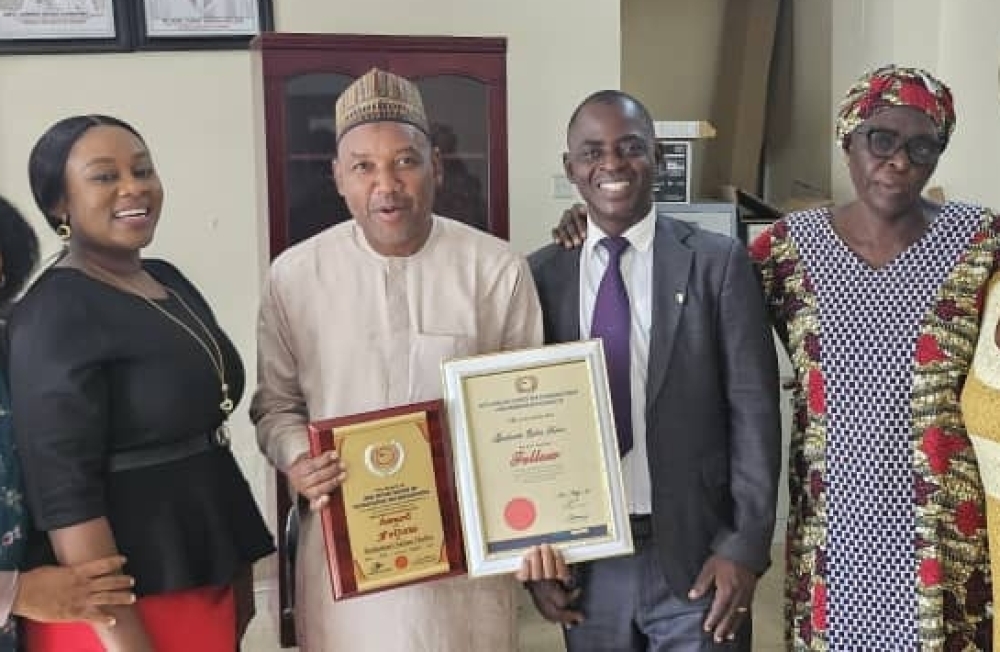
WASCA Confers Fellowship on Housing Ministry's Director of Press, Badamasi Haiba The West African Society for Communication and Administration (WASCA) has conferred the prestigious Award of Fellow on Badamasi Salisu Haiba, Director of Press and Public Relations, Federal Ministry of Housing and Urban Development, in recognition of his outstanding contributions to socio-economic development and his consistent demonstration of professionalism in the field of media and public communication. The honour was bestowed during a formal induction ceremony organized by the board of WASCA, a respected sub-regional body committed to promoting global best practices in communication, management, and administration. The Society plays a key role in fostering a socially and economically vibrant environment across West Africa and beyond. Presenting the award, Mr. Simeon Charles, Fsca, Executive Secretary of WASCA, praised Mr. Haiba’s professional excellence and encouraged other inducted Fellows to take strategic actions that would reposition and promote the Nigerian economy within the subregion and globally. "The responsibility now rests on communication professionals like you to reshape narratives, influence positive change, and drive socio-economic transformation through effective communication and strategic administration," Charles stated. The fellowship award is one of WASCA’s highest honours, reserved for professionals who have demonstrated excellence in practice and contributed meaningfully to both the public and private sectors in West Africa. For Mr. Haiba, the honour is both a validation and a new responsibility - to keep using the power of the pen and the reach of the media to shape a better society. ...

OPENING REMARKS BY THE PERMANENT SECRETARY, FEDERAL MINISTRY OF HOUSING AND URBAN DEVELOPMENT, DR. MARCUS O. OGUNBIYI, FNIAE, R.Eng. AT THE SECTOR RETREAT ON IMPLEMENTATION OF PERFORMANCE MANAGEMENT SYSTEM HELD AT THE BENTLY HOTEL ABUJA ON FRIDAY, 10TH MAY, 2024
PROTOCOLS
It is my pleasure to welcome you all to this very important Ministerial retreat on the implementation of a modern Performance Management System (PMS) as a tool for appraising employee performance and the delivery of institutional and presidential mandates in the Federal Public Service. The new PMS is a bold step to institutionalize the principle of service, output and outcome-oriented operations in Ministries, Extra-Ministerial Departments and Agencies (MDAs) by creating systems and processes that support delivery of services in a more efficient and effective manner. The PMS provides a systematic process of planning work, setting targets, providing support to employees and measuring results. It also provides the framework for continuous tracking of employees’ performance in a manner that is consistent and measurable, for developing and improving their capacities to perform on their jobs and for motivating them for increased productivity.
2. As we are all aware, the new PMS is expected to replace the Annual Performance Evaluation Report System (APER) which is the appraisal mechanism in the Public Service over the last four decades. Distinguished ladies and gentlemen, institutionalization of a new performance management system is at the heart of the on-going reform initiatives and culture re-orientation in the Public Service. This is to ensure appropriate linkage of key government tools towards the attainment of national development goals, and to entrench an accountability driven, result oriented, high performance and merit-based system as well as fairness and transparency in employee performance evaluation and management in the Public Service. I am pleased to inform you that the Federal Ministry of Housing and Urban Development and indeed all the Agencies in the Sector are committed to the successful implementation of the PMS and other reforms activities towards bequeathing to the nation, a world class Public Service that is repositioned to deliver efficient services as the backbone of the Government.
3. I am glad to inform you that a number of critical documents, which are essential to successful implementation of the Performance Management System service wide have all been put in place by the Office of the Head of the Civil Service of the Federation. Among these are the PMS Policy, PMS Implementation Guidelines and Frameworks. These documents are to assist us to effectively and successfully implement this all important presidential deliverable. I am bold to say that we are familiar with these document which are very robust tools for the deployment of the new appraisal system.
4. We are gathered here today as critical stakeholders in the Housing and Urban Development Sector to further discuss and understand the new system and our roles for a successful roll out, implementation and institutionalization of the new appraisal system in the Federal Public Service
5. I want to appreciate the officers from the Office of the Head of the Civil Service of the Federation, Heads of Agencies and Directors here present, who have taken time out of their very busy schedules to attend this retreat. It is our belief that our collective efforts in supporting the process of institutionalization of the new appraisal system will put the Service on a path of sustainable and improved service delivery to the Nigerian citizens.
6. Once again, I welcome you all and wish us all fruitful deliberations.
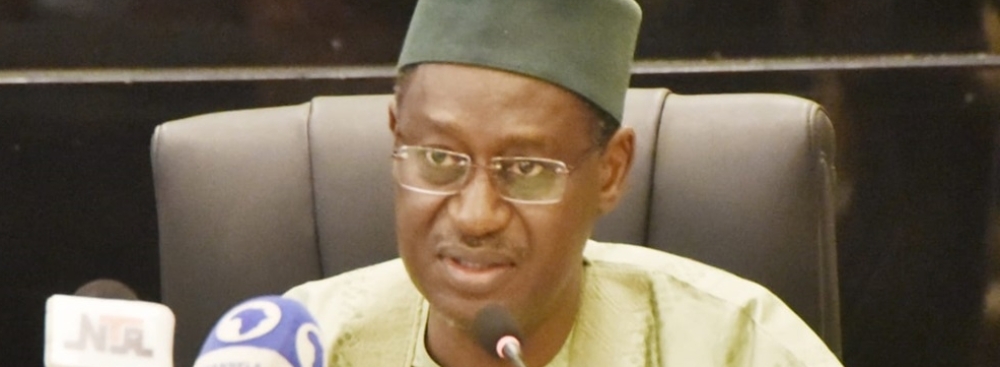
REMARKS BY THE HON. MINISTER OF HOUSING AND URBAN DEVELOPMENT, ARC. AHMED MUSA DANGIWA AT A MEETING WITH THE NEW MANAGEMENT TEAMS OF THE FEDERAL MORTGAGE BANK OF NIGERIA (FMBN) AND THE FEDERAL HOUSING AUTHORITY (FHA) ON MONDAY 19TH FEBRUARY 2024
Protocols
1. It is my pleasure to welcome on board what I call The Renewed Hope Executive Management Teams of Nigeria’s two premier federal housing agencies – The Federal Mortgage Bank of Nigeria (FMBN) and the Federal Housing Authority (FHA).
2. These appointments, by His Excellency, President Bola Ahmed Tinubu, GCFR on Thursday, 15th February 2024 mark the beginning of a renewed hope era at these two agencies.
3. So, before we proceed, let us take the National Pledge to mark the seriousness of the moment.
4. Like I said earlier, this is the renewed hope era for housing and urban development. All of you who have been honored and privileged to lead these institutions must align with the vision. In doing your work you must put Nigeria first. You must make Nigerians the center of the work that you do. And you must ensure that we deliver results.
5. You must thank Mr. President for giving you this national assignment. He has carefully selected you based on your pedigree, experience, and capacity to contribute towards the actualization of the Renewed Hope Agenda for housing and urban development.
6. So, you must see your appointments first, as a privilege to be chosen out of millions of Nigerians, second as a call to serve the country at a very trying time, and third as an opportunity to be part of the historic transformation of the sector under the leadership of Mr. President.
7. You have a responsibility to approach your work as Managing Directors and Executive Directors with the urgency that is required. The inefficiencies of the past decades have compounded the problems that we face in the housing industry today. As you all know, to have a strong a strong economy, better life, the housing sector must work to create jobs, contribute to GDP and boost health and productivity.
8. His Excellency understands the importance of housing, its catalytic role to national development and economic growth. That is why he made the Ministry of Housing and Urban Development a standalone Ministry and is moving with speed to reform the housing sector.
9. The two institutions that you now lead are Nigeria’s oldest federal government-owned housing delivery agencies. These institutions are not in good form. You are coming on board as doctors who would help to fix them, so that they can be strong, and have the capacity to meet the need of Nigerians for housing so Mr. President can deliver on his promise.
10. I will start with the Federal Housing Authority which was set up in 1973. I remember that we marked the 50th year anniversary last year. I used the word “marked” deliberately because after 50-years, there was not much to celebrate.
11. Like I said at the event, it is important for us to confront the truth of FHA’s history to learn the lessons from there. I therefore expect the new FHA Management to be mindful of this. It is only on this basis that we can begin the process of building a new FHA that delivers on its mandate.
12. As you may recall, in 1973, FHA was created with the mandate to provide housing to low- and medium-income earners nationwide. These functions were further expanded under the 2012 National Housing Policy to include the following key provisions.
1. To develop and manage real estate on a commercial basis in all states of the Federation and the Federal Capital Territory (FCT).
2. To provide sites and services for all income groups.
3. To execute housing programmes in the public interest as may be approved by the Federal Government and
4. To mobilize offshore funding for housing development.
13. Pursuant to the re-defined roles, the National Council on Privatization in May 2013, approved FHA’s commercialization. The aim was to reduce the magnitude and scope of financial support of the Federal Government and allow the Authority to adapt to changing business requirements. At this time FHA had only managed to deliver 37,000 houses in its 40 years of existence.
14. Ten years after commercialization, records show that FHA has only delivered a cumulative of just over 50,000 housing units. That shows an average of 1,000 houses per year in 50 years. This is clearly not a good result, especially from Nigeria’s foremost housing agency that has so many institutional advantages that it can leverage to deliver more results. This includes free access to land from the federal government in all layouts and new districts, relationships with other government entities like the Federal Capital Development Authority (FCDA) and strategic positioning to engage in Public Private Partnerships (PPPs) with reputable developers given its name recognition as a government agency.
15. PPPs that the FHA has entered over the years have delivered little or no value to the country. We have a serious housing crisis and current efforts; speed of delivery and strategies must be increased to meet the challenge. The new FHA Management must ensure that it sets a different and progressive tone for the agency under the renewed hope era. I expect you to provide leadership that is visionary, can innovate, think outside the box, while tackling problems. I want to see a reformed, more efficient, and capable Federal Housing Authority (FHA) that would have the financial strength to deliver more on its mandate.
16. As you may be aware, FHA is the one agency that has the license to play in all income segments, so the Ministry expects the FHA to make judicious use of this advantage in the broad strategy of the government to deliver housing to Nigerians. I want to see the FHA go to the capital market, issue bonds, and raise funding to deliver mass housing projects across the country, market them, payback the loans, and declare profit. In the next fifty years, we expect that FHA would be celebrating millions of homes built and successfully delivered to Nigerians.
17. As the Minister of Housing and Urban Development, I am ready to provide the necessary leadership that is required to move FHA forward. This includes granting the necessary Ministerial support for FHA to access funding from international development finance institutions such as Shelter Afrique. The Shelter Afrique Development Bank Board and Management Team are currently on a working mission to Nigeria. I have asked them to meet with both FHA and FMBN later today to map out points of partnerships.
18. The Federal Mortgage Bank of Nigeria (FMBN) is also critical to the actualization of the Renewed Hope Vision for Housing. Its own case holds personal significance to me. I remember years ago; I was here at the Ministry after my appointment as MD/CE of FMBN to report to my predecessor. Then I was on the other side. Today I am on this side. That is the way of God, and I am thankful to Mr. President for the opportunity and the promotion. This is the first time someone moved from being MD of FMBN to Minister of Housing.
19. Like I said at the 2024 Annual Management Retreat recently, this is another God given opportunity to take FMBN to the next level. My charge to the new Management Team is the same as the one I gave the outgone Management; you will be seeing a lot of pressure from me. This is because I expect you to do ten times better than I did.
20. What this means is that FMBN must transform. FMBN must innovate. And FMBN must lead a new era of massive housing development and delivery even in these difficult times of high construction costs and lower incomes. This requires a radically new mindset, thinking out of the box and identifying the opportunities that these challenges present.
21. For me FMBN faces several fundamental challenges that must be dealt with, and we have already set the ball rolling with the inauguration of the Housing Institutions’ Reform Task Teams under the Chairman of Adesemoye with representatives from the Bank.
22. As you are all aware the task of the Tast Team is to develop a robust framework for ensuring that housing agencies under the supervision of the Ministry are optimized to deliver effectively on the Renewed Hope Vision for the provision of quality, decent and affordable homes to Nigerians.
23. This includes a thorough review and facilitation of necessary legislative amendments of relevant housing industry laws including the National Housing Fund (NHF) Act,1992, Federal Mortgage Bank of Nigeria (FMBN) Establishment Act, 1993. A lot of work has already been done in this regard, having achieved successful passage of the amendments to the two Bills during my stewardship as MD/CE of the Bank by the two chambers of the National Assembly while Presidential assent was declined.
24. The Housing Institution Reform Task Team comprises housing industry experts, stakeholders, agency representatives, professional bodies, and academia. The reforms and legislative amendments that the Reform Team will carry out in collaboration with stakeholders and the National Assembly will be the most comprehensive set ever done in the history of Housing and Urban Development in Nigeria.
25. FMBN is also a key part of the Multi-Agency Project Delivery Task Team which we inaugurated. The aim is to ensure that all housing agencies under the supervision of the Ministry of Housing and Urban Development work collaboratively towards optimizing their strengths to deliver decent and affordable housing to Nigerians.
26. I expect strong participation of the FMBN in this Team as it is expected to outline frameworks for synergy between the Federal Ministry of Housing and Urban Development (FMHUD), Federal Mortgage Bank of Nigeria (FMBN), Federal Housing Authority (FHA) and Family Homes Funds Limited (FHFL) and propose processes to eliminate bottlenecks in housing development to increase the national housing stock, amongst others.
27. But it is important to say that while these teams are working and we expect them to come up with blueprints in the next few weeks ahead, I expect the new Management to hit the ground running, giving each day in the office to the transformation process. This applies to FHA too. FMBN must work to improve customer service delivery and to do this requires the completion and full operationalization of the Core Banking Application.
28. I am also committed to the N500billion Recapitalization of the Bank. Its been in the pipeline for too long. Now is the time to get it done.
29. FMBN should also make greater effort towards reducing its non-performing loan portfolio and the clearance of backlog of its audited accounts. A major step to take in this regard to ensure efficient processing and approval of corresponding NHF loans for all completed projects to ensure effective offtake and inter-account settlement to clean up the Bank’s books.
30. I also expect to see measurable progress in the implementation of the revised 5-Year Strategic Plan.
31. Now to FMBN Statistics: Between 1992 and December 2023, FMBN had only delivered a meager 38,756 houses. This means over a 31-year time frame, FMBN was doing a yearly average of 1,250, just slightly better than FHA. The bank also disbursed a total of N426bn in mortgage loans and created about 24,629 mortgage loans.
32. As it is with FHA, so it is with FMBN. What has been done is little compared to the size of the problem that we face.
33. In fact, I am proud to say that the only bright spot in FMBN’s 31-year history based on facts and statistics that can be checked is my five-year term between 2017 to 2022 where I was able to post results that exceeded all that was achieved over the 25 preceding years of the Bank.
34. And that is why the reform of the housing sector and that of federal housing agencies was made a key part of Mr. President’s Renewed Hope Agenda.
35. So, I want you all to know that these appointments didn’t just happen out of the blue. They are part of a carefully planned Strategic Broad Renewed Hope Roadmap towards the actualization of Mr. President’s vision for the housing sector.
36. Earlier I called you Renewed Hope Executive Management Teams of Federal Housing Agencies for three key reasons.
• Nigerians have given Mr. President a mandate to provide decent and affordable housing to them and to fix urban development challenges.
• Mr. President has given me that job to deliver using the FMBN and FHA as institutional tools.
• You are the focal persons at these agencies tasked with making sure that Mr President's promise of increased housing to Nigerians is fulfilled.
37. So, today, I am not telling you “Congratulations”.
38. Your appointment is a privilege, and not an invitation to make merry and enrich yourselves.
39. I have my deliverables and you are to fashion out ways to deliver on them. If you work hard and deliver, you will stay. If you don’t work hard and fail to deliver, you will leave before your term. I believe that is a strong message that Mr President has already passed across to all appointees. Don’t look at the 5-year term, look at your ability to meet the targets for every review session. Because when it comes to review and KPIs – I won't be looking at your faces. What we want is action, progress, improved customer service delivery and more Nigerians owning homes.
40. 16. Both the FMBN and FHA Management Teams must see this as a new beginning for real progress. This must reflect in the quantum of houses delivered and fully occupied by Nigerians.
41. 17. For the FMBN, we expect that you meet and exceed the targets in your Action Plan.
42. The delivery of at least 5,000 new homes annually; with a significant portion of this through the Renewed Hope Cities and Estates Programme.
43. Disbursement of mortgage loans to at least 20,000 Nigerians annually, and this will mean quicker turnaround time and a more efficient customer service.
44. Increased National Housing Fund (NHF) collection by expanding the subscription net for more Nigerians. You can achieve this by making it easier to accommodate more private sector players in the scheme.
45. Speedy rollout of the Diaspora Mortgage Scheme to facilitate an increase in NHF collection and the provision of more houses to Nigerians.
46. Up-to-date audited accounts and corporate stability to facilitate fruitful cooperation with financing institutions like Shelter Afrique Development Bank.
47. For the FHA, I expect to see more flexibility and innovation in its operations rather than the usual, conventional, docile way of doing things.
48. The ministry expects the FHA to make judicious use of its license to operate across all income segments in the broad strategy of the government to deliver housing to Nigerians.
49. We expect to see the FHA get more funding from the capital market by issuing bonds to deliver mass housing projects across the country, market them, pay back the loans, and declare profit.
50. We expect to see the FHA delivering a minimum of 5,000 houses annually to Nigerians.
51. The FHA should also take advantage of its status as an agency without budgetary allocations to be inventive, partner with credible investors and local and international financing partners to deliver more houses to Nigerians.
52. We will keep track as a Ministry and monitor your progress on a year-to-year basis. Like I said earlier, your KPIs are the only things that matter because we have a responsibility to Nigerians, and we cannot afford to fail.
53. On our part, we will continue to work to strengthen your capacities and break down the limitations that hamper your performance.
54. Let me, once again, reiterate the seriousness of His Excellency, President Bola Ahmed Tinubu, GCFR, to ensure the full implementation of the Renewed Hope Agenda for Housing and Urban Development. We can already see that the Renewed Hope Cities and Estates Programme is one of the signpost projects of his administration. He will not tolerate failure or mediocrity, and neither will I.
55. 24. I will be the first to acknowledge that you now carry a huge responsibility on your shoulders; one that is time-bound and measurable. I expect that you see this not just as an opportunity to write your name in the annals of history, but also to be a part of the team that looked the challenges to housing delivery in the face and overcame them with innovation, strong commitment, transparency, and a great sense of responsibility and urgency.
56. This is because you have been called, selected, and appointed to serve Nigeria our country in those roles.
Thank you.

Housing Ministry, Shelter Advisory Convene Summit on Renewed Hope Housing PPP

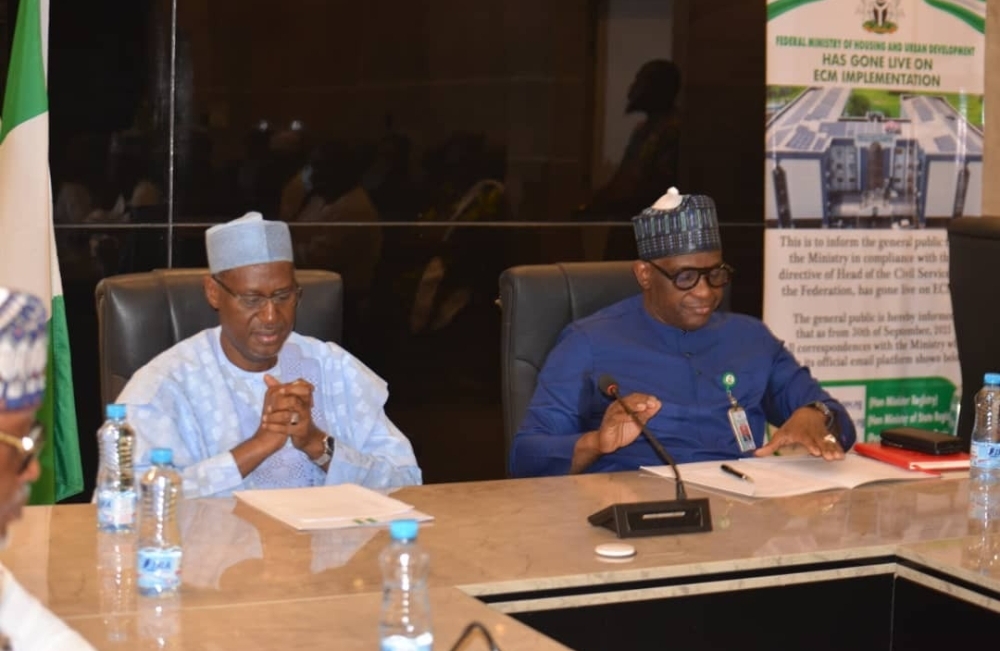
FMHUD 2025 STAFF AWARDS & RECOGNITION CEREMONY, MONDAY, MARCH 30, 2026
FMHUD 2025 STAFF AWARDS & RECOGNITION CEREMONY, Monday, March 30, 2026
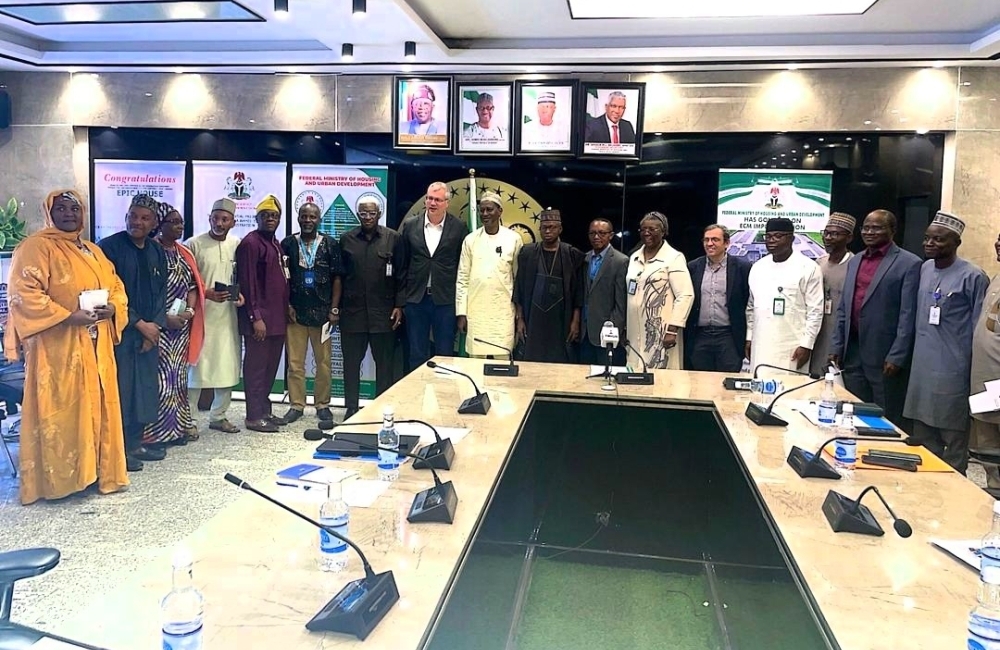
MEETING OF THE HON MINISTER, FMHUD AND HEAD OF UN HABITAT, WEST AFRICA HUB, DAKAR, MR MATHIAS, SPALIVIERO, WEDNESDAY, 25TH FEBRUARY, 2025
Meeting of the Hon Minister, FMHUD and Head of UN Habitat, West Africa Hub, Dakar, Mr Mathias, Spaliviero, Wednesday, 25th February, 2025